






Chain Store POS Standard Guide Featuring Scalable Hardware and Software

Understanding Core Components of Chain Store POS Standards
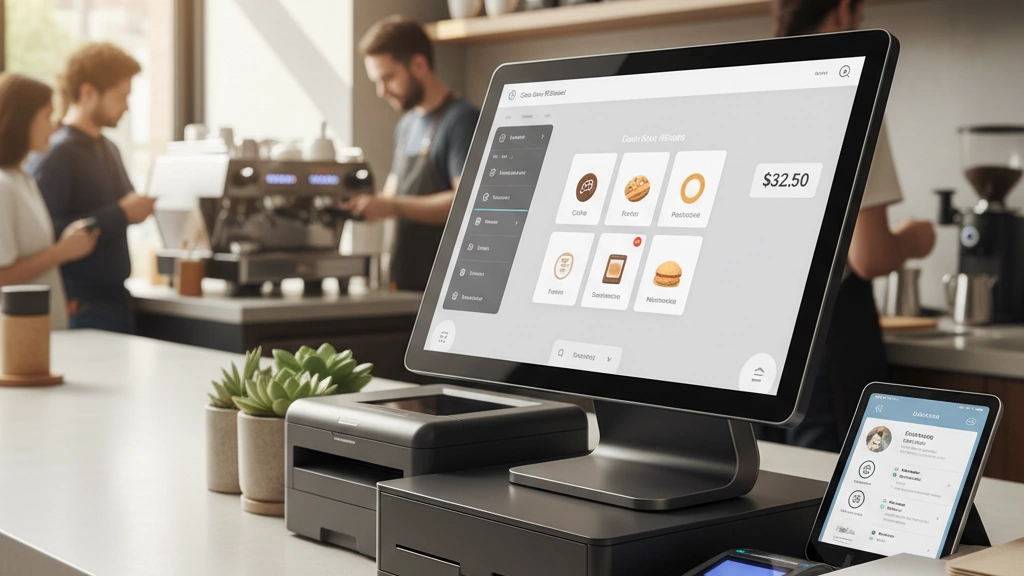
When managing POS systems for a chain store, you want technology that’s durable, compatible, and scalable. The hardware must handle high transaction volumes without frequent breakdowns, fit your store sizes—from small outlets to large flagship locations—and integrate smoothly with existing devices. This means investing in rugged terminals, robust printers, and flexible peripheral options that grow with your business.
On the software side, choosing between cloud-based and on-premises solutions is key. Cloud POS offers real-time synchronization across stores and easier remote management, while on-prem systems can provide faster local transactions and control. A clean, intuitive user interface (UI) reduces training time and checkout errors. It should also seamlessly connect with your ERP, CRM, and e-commerce platforms to streamline inventory, customer data, and online orders.
Security is non-negotiable. Every chain store POS system must comply with PCI-DSS standards, ensuring card data is encrypted and safe during transactions. Features like offline mode maintain operations during network outages, while audit trails keep detailed logs for accountability and fraud prevention. This combination of hardware strength, smart software design, and rigorous security lays the foundation for a POS system that keeps your chain store efficient and secure.
Key Standards for Multi-Store Operations and Efficiency
Managing a chain of stores demands seamless backend synchronization and real-time data flow. Effective multi-store POS systems ensure inventory updates occur instantly across all locations, keeping stock accurate and preventing overselling. Sales reporting should be automated and accessible, with alerts set up for low inventory or unusual activity to streamline decision-making.
Regional compatibility is another must-have. Your POS should support multiple currencies, tax rates, and languages, tailored to each store’s local market. Vendor-agnostic APIs help integrate with various third-party tools, from payment gateways to ERP and CRM systems, making sure your POS fits smoothly into your existing tech stack.
Cost control is key to long-term success. Look for POS solutions with clear total ownership cost breakdowns – including hardware, software subscriptions, and maintenance. Tools like ROI calculators and predictive analytics help you forecast expenses and potential savings, so you can optimize your budget and boost profitability.
For more in-depth insights on hardware customization tailored for complex retail environments, check out our detailed guide on POS hardware customization.
Tailoring POS Standards to Your Chain’s Unique Needs

Every retail chain has its own challenges and scale, so your POS standards should flex accordingly. Start by assessing store size and volume—small shops might need compact, modular hardware that can grow with them, while larger enterprise locations require high-capacity machines built for heavy traffic.
Next, look closely at your service network and support ecosystem. For multi-store operations, 24/7 uptime is critical. Remote diagnostics help resolve issues quickly without waiting for onsite visits. Also, clear Service Level Agreements (SLAs) for software updates and hardware warranties keep your system reliable and current.
Finally, a solid implementation roadmap puts everything in place smoothly. Begin with pilot testing in a few stores to catch any glitches early. Once stable, move to a full rollout with thorough staff training protocols to ensure your team is confident and capable using the new system.
Tailoring your POS setup this way helps avoid costly downtime and aligns technology with your chain’s real-world demands. For a deeper look at reliable retail technology, check out how SDLPOS blends service and hardware for seamless store performance.
SDLPOS Hardware: Meeting and Exceeding Chain Store Standards

When it comes to chain store POS hardware, SDLPOS delivers solutions designed for durability, performance, and efficiency. Our hardware meets high-volume industry demands with powerful processors that ensure fast transaction speeds and smooth multitasking. Connectivity options include Ethernet, Wi-Fi, and Bluetooth, allowing seamless integration with scanners, printers, and other peripherals essential for retail operations. Plus, energy-efficient components help reduce power consumption without sacrificing reliability.
SDLPOS hardware is built for real-world use across the U.S. market, with customizable enclosures that can be adapted to different store layouts and branding needs. We offer proven regional adaptability through compatibility with local payment gateways, ensuring smooth transactions whether you operate in California or New York. This flexibility supports multi-location sales tracking and regional compliance effortlessly, making it easier to keep every store connected and compliant.
For detailed specifications and scalable solutions tailored to retail chains, explore our range of cash register systems for franchise businesses, designed to fit various store sizes and operational needs.
Real-World Applications: Case Studies in Standardized POS Success
Success stories from actual chain stores highlight the power of standardized POS systems in improving operations and boosting profits.
Mid-Sized Apparel Chain
By adopting a standardized POS setup, this apparel chain sped up checkout times, reducing customer wait and improving satisfaction. Inventory accuracy improved thanks to real-time tracking across stores, which cut overstock and stockouts. This also led to better cost control by optimizing reorder points and reducing shrinkage.
Grocery Chain Expansion
For grocery chains scaling multiple locations, POS system reliability is key. With a standardized platform, they achieved seamless backend synchronization, ensuring sales data and inventory stayed updated in real-time. This consistency helped them maintain service quality and predict an ROI timeline confidently for new stores, crucial for expansion planning.
Boutique Franchise Model
Boutiques with varying store sizes benefited from a modular POS hardware and software approach. Customizable setups allowed them to tailor POS features to each location’s needs while keeping backend systems integrated across the franchise. This facilitated consolidated reporting and better decision-making, critical in managing diverse outlets efficiently.
These examples show that investing in a chain store POS standard enhances efficiency, supports growth, and tightens cost control. For businesses looking for reliable hardware solutions suited for any retail size or regional compatibility, exploring options like bulk cash register systems ensures the best fit for your chain.
Future-Proofing Your Chain: Emerging POS Standards and Trends
Staying ahead with your chain store POS means embracing new tech and smarter hardware. AI and analytics integration are changing the game by enabling predictive stocking — so you can keep just the right amount of inventory without overbuying. Personalized promotions powered by AI help boost sales by targeting customers more effectively. Plus, IoT compatibility ensures your POS connects seamlessly with smart devices for a smoother operation.
On the hardware front, sustainability is becoming crucial. Modern POS systems use eco-friendly materials and meet strict energy efficiency standards, cutting costs and reducing environmental impact. Contactless payment options are also evolving fast, favored by customers and essential for thermal receipt printers and cash registers alike.
For your next steps, start with an auditing checklist to assess your current POS setup against these emerging standards. Consider scheduling a consultation with SDLPOS experts who specialize in providing durable, scalable, and future-ready POS hardware solutions tailored to your chain’s needs. This ensures your investment remains solid as retail technology moves forward.
To explore compatible systems, check out our detailed guides on affordable cash register systems with warranty and suppliers of Windows-compatible cash registers that fit well within evolving industry standards.