






Custom Cash Registers with Tailored Features for Small Businesses

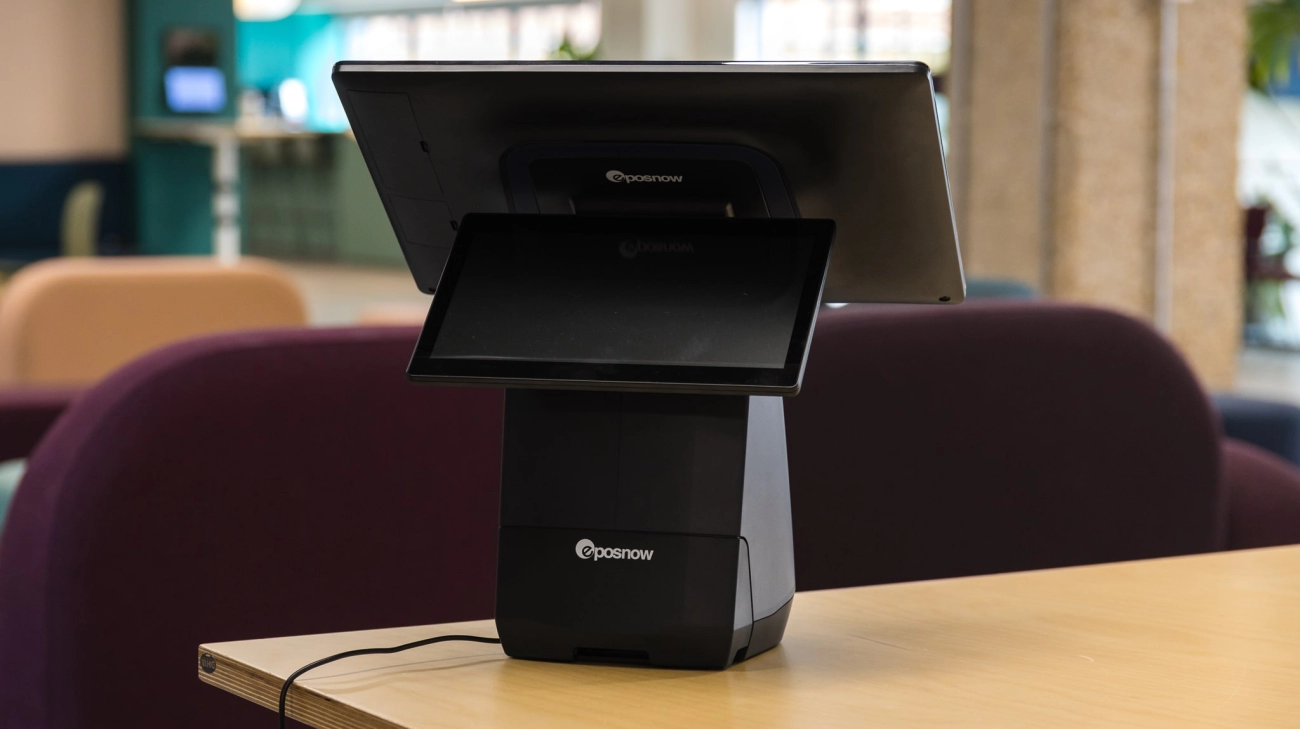
If you’re running a small business, you know that a one-size-fits-all cash register can slow down your checkout and frustrate customers. Custom cash registers are changing the game—offering tailored hardware and software that match your store’s unique flow and boost efficiency. Whether you’re a retailer, restaurant, or service provider, the right custom cash register can streamline transactions, cut errors, and integrate seamlessly with your payment and inventory systems. Ready to stop settling and start customizing? Let’s dive into how personalized POS solutions can transform your business today.
Custom Cash Registers: Modern Solutions for Retail and Service
Traditional ECRs vs. Customizable POS-Integrated Drawers
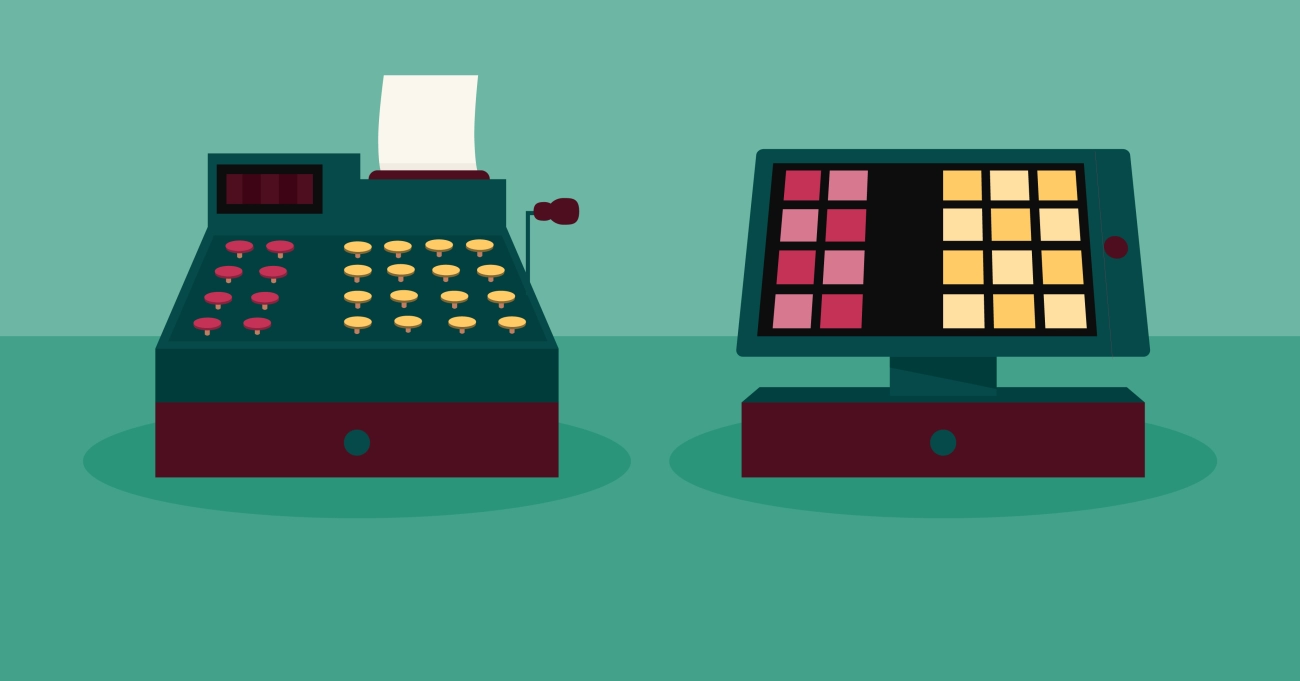
Are you still relying on a legacy electronic cash register (ECR) that feels limited and outdated? Traditional ECRs focus mainly on basic cash management with fixed functions and little flexibility. In contrast, custom cash registers today combine modular, software-compatible POS cash drawer customization designed to meet the unique needs of retail, hospitality, and service sectors.
Here’s the key difference:
- Traditional ECRs are standalone machines with limited expandability.
- Customizable POS systems integrate hardware and software, allowing businesses to add or remove components like touchscreens, printers, and customer-facing displays as needed.
This modular approach supports everything from quick-service restaurants needing fast-access drawers to retail shops that require customizable till configurations for varying inventories. The result? A flexible system built for your specific workflow and future growth.
Market Evolution: Moving Beyond Legacy Brands
You might remember popular names like Casio dominating the cash register market — many models are now discontinued and can’t keep pace with today’s omnichannel demands. The shift toward software-compatible systems reflects a broader industry trend in 2025: the need to support online and in-person sales seamlessly.
Why does customization matter now?
- Customers expect smooth, integrated payment experiences whether shopping online, in-store, or via mobile apps.
- Businesses require systems that sync real-time inventory and loyalty programs across multiple channels.
- Legacy brands lack these flexible, connected capabilities.
Thus, businesses are moving toward innovative, modular POS hardware that works with their existing software stack, streamlines operations, and grows with them.
Core Benefits of Custom Cash Registers
Investing in a custom cash register isn’t just about upgrading technology — it’s about delivering measurable value to your business right away. Consider these core advantages:
- Faster Transactions: Customizable POS drawers and integrated displays reduce checkout times by up to 30%, improving customer satisfaction and throughput during peak hours.
- Reduced Errors: Visual prompts on the integrated display help cashiers avoid mistakes, cutting costly errors in change handling or sales entries.
- Enhanced Data Security: Built-in encrypted interfaces protect sensitive payment information and comply with U.S. PCI standards, keeping your business secure and customers confident.
Custom cash registers offer immediate return on investment (ROI) by streamlining customer interactions, safeguarding data, and optimizing your retail or service environment’s efficiency.
Ready to rethink your cash management tools? Understanding these core concepts is the critical first step toward choosing a flexible, future-ready register system tailored for today’s business landscape.
Assessing Your Business Needs for Custom Cash Registers
Self-Assessment Checklist: Know What You Need
Before picking a custom cash register, know your business inside out. Use this quick checklist to spot gaps in your current setup:
- Transaction volume: Are you handling a high number of sales daily or just a few? Faster registers help busy locations.
- Counter space: Do you have tight space? Compact, modular cash drawers fit small or crowded setups.
- Software integration: Does your register sync easily with your current POS, inventory, or accounting software?
- Payment types: Are you accepting contactless, chip cards, or mobile payments? Make sure your register supports them.
- Security requirements: Need encrypted interfaces to comply with PCI and local standards?
Answering these will help you pick a customizable POS cash drawer that fits your exact needs—so you’re not paying for extras you won’t use.
Industry-Specific Cash Register Solutions
Different businesses need different solutions. Here’s what to focus on in your sector:
- Retail: Look for customizable till layouts that handle fluctuating inventory sizes and product types smoothly. Modular POS hardware lets you add or remove drawers as you grow.
- Restaurants and Hospitality: Quick-access cash drawers are a must in fast-paced environments. High-tip areas benefit from registers that speed up transactions and reduce drawer jams.
- Service & Pop-ups: Portable, mobile-compatible registers that sync wirelessly work great for pop-up events, especially in Midwest markets where mobility and quick setup matter.
Kansas City and Midwest Local Considerations
If you operate in and around Kansas City, think local:
- Weather-resistant hardware is a smart investment, especially if you sell at outdoor markets or seasonal fairs.
- Support for regional payment apps (like local mobile wallets) can speed up checkouts and boost customer loyalty.
- Durable cash management tools designed for humid summers and cold winters mean fewer downtime issues.
- Fast, reliable U.S.-based vendor support ensures quick fixes when you run into trouble during busy retail hours.
By tailoring your custom cash register choice to these local needs, you build trust with your customers and keep your business running smoothly.
Key Features of Top Custom Cash Registers
Durable Hardware Built for Busy U.S. Markets
Strong materials matter. The best custom cash registers feature all-steel construction designed to withstand over 1 million open-and-close cycles. This durability means your cash drawer won’t wear out quickly, even in high-traffic spots like Kansas City retail stores or busy Midwest restaurants.
Size options usually range from 16 to 18 inches wide, fitting most counters without crowding your workspace. Standard till setups typically come with 4 bill and 5 coin slots, but these can be customized for businesses handling more cash or coins.
Seamless Integration with Essential POS Peripherals
Modern registers need to work with your entire sales setup. Look for models supporting universal printer connections like Epson and Star printers, ensuring your receipts print without hassle.
You’ll find multiple ports—USB, serial, and LAN—to hook up barcode scanners, scales, or network systems easily. Many units offer add-ons like:
- Touchscreen displays for faster order input
- Customer-facing screens that show purchase details clearly
- EMV chip readers for secure, chip-card payments
These integrations help speed up transactions and reduce checkout errors, crucial for local businesses competing in omnichannel markets.
Advanced Customizations to Match Your Business Needs
Custom cash registers do more than hold cash. They sync with software for:
- Inventory tracking—keep tabs on stock in real time
- Loyalty programs—reward repeat customers on the spot
- Sales analytics—understand trends and adjust your offers
Brands like SDLPOS offer branded user interfaces tailored to your workflow plus warranty extensions that can stretch up to a lifetime for added peace of mind.
Security and Reliability Designed for Everyday Use
Your cash register should secure your money and data:
- Robust locking mechanisms keep the drawer safe when unattended
- Offline modes let you keep selling even if Wi-Fi drops, perfect for pop-up events and outdoor markets in Midwest weather
- Energy-efficient designs cut power use and reduce costs
These features minimize downtime, keeping your checkout smooth and secure no matter the traffic or weather challenges uniquely faced by U.S. small businesses.
| Feature Category | Highlights |
|---|---|
| Hardware | All-steel build, 16-18” size, adjustable bill/coin slots |
| Integration | Epson/Star printer support, USB/serial/LAN ports, EMV readers |
| Customization | Inventory & loyalty sync, branded UI, extended warranties |
| Security & Reliability | Locking drawers, offline mode, energy-efficient design |
Investing in a custom cash register with these core features delivers a reliable, scalable solution tailored for the unique demands of U.S. retail, hospitality, and service sectors.
How to Choose and Customize Your Ideal Custom Cash Register
Step-by-Step Selection Process
When picking your custom cash register, start by setting a clear budget—most options fall between $200 and $800. Here’s what to focus on:
- Smooth Operation: Look for ball-bearing slides on drawers to avoid jams and make daily use easy.
- Size & Layout Compatibility: Match the register’s size (16-18 inches common) and till configuration with your counter space and cash flow.
- Test Before Buy: Use demos or trial periods to check compatibility with your current POS software and peripherals like receipt printers and barcode scanners.
This upfront testing saves headaches and ensures your register fits your workflow from day one.
Customization Blueprint for Your Business
Partner with specialized suppliers like SDLPOS who offer tailored setups that suit your unique needs:
- Color Panels to match your store’s branding or decor.
- Currency Adaptations designed for U.S. bills and coins, with options for high-volume cash handling.
- Peripheral Bundles including customer-facing displays, EMV chip readers, and compatible printers for a streamlined checkout.
This level of customization helps create a smooth, professional checkout experience—especially important for busy retail, hospitality, or service environments.
Vendor Evaluation: Choose Reliable Partners
For peace of mind, prioritize vendors that provide:
- U.S.-Based Customer Support, so help is quick and straightforward.
- Fast Shipping—critical for Midwest businesses that rely on timely setup.
- Post-Purchase Programming for PLU codes, tax settings, and software tweaks to match local regulations and business specifics.
A solid vendor relationship will keep your cash register running smoothly long-term.
Cost-Benefit Table: Entry-Level vs. Pro Models
| Feature | Entry-Level Model ($200-$400) | Pro Model ($600-$800+) |
|---|---|---|
| Transaction Speed | Good for low to medium volume | Optimized for high-volume, fast checkout |
| Durability & Build | Standard materials, basic lifespan | All-steel, 1M+ cycle lifespan |
| Customization Options | Limited color/peripheral options | Fully customizable panels, interfaces |
| Integration & Software | Basic POS compatibility | Advanced syncing (inventory, loyalty, analytics) |
| Warranty & Support | Standard warranty | Extended/lifetime warranty options |
| Long-Term Savings | Moderate maintenance cost | Lower maintenance, scalable upgrades |
Choosing a pro model has a higher upfront cost but offers better long-term savings, faster transactions, and fewer disruptions.
By focusing on these factors, you can confidently select and customize a custom cash register that fits your workflow, budget, and local business needs.
Implementation and Optimization of Custom Cash Registers
Quick and Easy Setup
Installing your custom cash register should be simple and fast. Most units offer plug-and-play setups that can be completed in under 30 minutes, minimizing downtime. Here’s what to focus on:
- Unbox and connect hardware: Link cash drawer, receipt printer, and barcode scanner.
- Software installation: Load or sync your POS software—many systems support quick installs or cloud-based setups.
- Initial testing: Run transactions to ensure smooth operation and zero errors before going live.
Staff Training for Smooth Operation
A user-friendly interface makes staff training straightforward. Spend time on:
- Walkthroughs of common functions: Opening/closing tills, refunds, discounts.
- Hands-on practice: Simulate real transactions during training sessions.
- Quick reference guides: Print cheat sheets for daily tasks.
This reduces errors and speeds up checkout, critical for local businesses in busy environments, from Kansas City boutiques to Midwest pop-ups.
Integrate With Business Tools
To maximize your cash register’s impact, link it with your existing tools:
- E-commerce platforms: Sync online and brick-and-mortar sales for smooth inventory updates.
- Mobile apps: Enable mobile payments and on-the-go sales, ideal for outdoor markets.
- Accounting software: Automate sales reporting and tax calculations for accuracy and efficiency.
For example, integrating promotions directly at checkout can boost local sales by encouraging repeat visits or upsells.
Maintenance Best Practices
Keeping your cash register in top shape protects your investment and sales flow:
- Routine cleaning: Dust out drawers and screens weekly to avoid jams and hardware wear.
- Firmware updates: Regularly update POS software to patch bugs and add features.
- Troubleshooting common issues: Know quick fixes for drawer jams or connection drops.
- Expert support: Rely on providers like SDLPOS for ongoing programming tweaks and technical assistance.
Measuring Success with KPIs
Track your upgrade results to justify investment and guide future improvements:
- Transaction speed: Look for a 30% reduction in checkout times, thanks to faster hardware and better software flow.
- Sales uplift: Monitor revenue increases post-customization—such as a Missouri retailer that improved efficiency by 25%, seeing more customers through with less wait.
- Error reduction: Fewer manual mistakes via integrated displays and secure payment interfaces reflect in your daily cash reports.
By following these steps, your business will not only install a custom cash register efficiently but also optimize its usage for long-term growth.
For more details on maximizing cash register setups and support, visit cash register systems with 24/7 support and explore options for small business register upgrades.
Real-World Success Stories with Custom Cash Registers
How Local Businesses Benefit from Custom Cash Register Solutions
Take a Kansas City coffee shop that worked with SDLPOS to customize its cash register for seamless contactless payments. This upgrade helped them reduce checkout times during busy morning hours and boosted customer satisfaction with faster, safer transactions. Another example is a local boutique retailer adapting their register system to handle seasonal inventory spikes efficiently, automating sales tracking and making staff workflows smoother.
Expert Insights on Modularity and Future-Proofing
Industry pros agree that modular POS hardware is key to staying competitive. As e-commerce grows, businesses need systems that adapt quickly without replacing the entire setup. Modularity lets you add features like loyalty programs, EMV readers, or mobile compatibility on demand, extending your investment’s life and keeping your checkout system current.
Common Pitfalls to Avoid with Customized Cash Registers
- Over-customizing can lead to unnecessary complexity, making staff training harder and increasing downtime.
- Skimping on warranties and support may save money upfront but risks costly repairs and delays.
Quick fixes:
- Stick with core features tailored to your real needs.
- Choose suppliers like SDLPOS offering U.S.-based support and warranty options.
- Test systems thoroughly before full rollout to catch issues early.
By learning from these real-world cases and expert advice, you can invest smartly in a custom cash register that fits your business and keeps you running smoothly in 2025 and beyond.