






Low Noise POS Terminal Design Guide Fanless Silent Tech

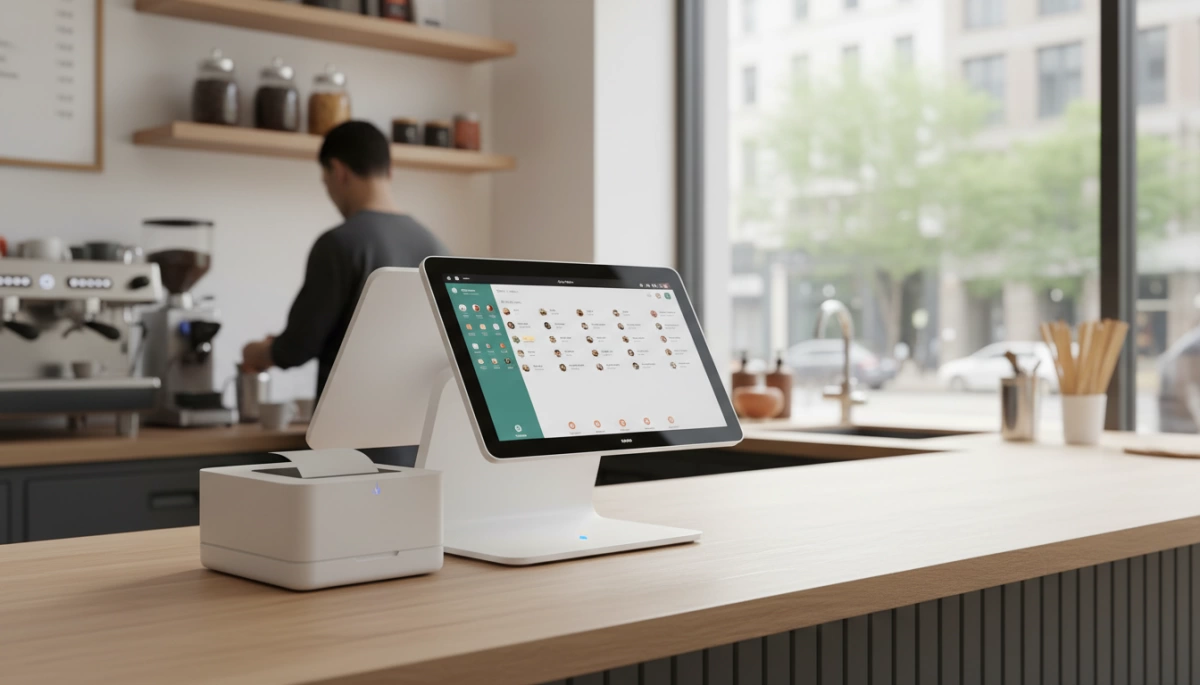
Why Silence Speaks Volumes in Retail Environments
In the retail and hospitality sectors, we often obsess over visual aesthetics—lighting, layout, and decor—yet we frequently overlook the hidden impact of acoustic pollution. Imagine a high-end boutique, a quiet library café, or a spa reception; the constant, low-frequency hum of a cooling fan can subtly disrupt the premium atmosphere we work so hard to curate. At SDL, we understand that a truly immersive customer experience requires hardware that is seen but not heard.
Defining ‘Zero-Noise’ Standards for Modern POS Hardware
When we talk about Low-Noise POS terminal Design, we aren’t just aiming for “quieter”; we are aiming for silent. True zero-noise operation means eliminating the mechanical whine of cooling fans entirely.
For us, the standard is simple:
- 0 dB Operation: The terminal should produce no audible noise during idle or peak performance.
- Solid-State Engineering: Replacing moving parts with static components.
- Passive Thermal Management: Relying on physics, not mechanics, to handle heat.
How Silence Correlates with Premium Build Quality
There is a direct link between a silent terminal and industrial-grade hardware. To build a computer that doesn’t need a fan, we can’t cut corners with cheap plastic casings that trap heat. Instead, we have to utilize robust materials like die-cast aluminum alloy.
When you encounter a fanless POS system, you are looking at a device that relies on superior engineering—specifically, the use of the metal housing itself as a massive heat sink. Silence is effectively a badge of quality; it signals that the unit is built with high-thermal-conductivity materials capable of managing high-performance processors (like the Intel J6412 or Core i5) without the crutch of a noisy, failure-prone fan.
Fanless Architecture: The Heart of Low-Noise Design
When we engineer a Low-Noise POS terminal Design, the first step is eliminating the mechanical fan. In traditional hardware, the CPU cooling fan is the primary culprit for that constant, annoying background hum. By switching to a fanless POS system architecture, we completely remove the source of the noise, achieving true zero-noise operation suitable for quiet boutiques and high-end hospitality venues.
Mechanics of Passive Cooling Technology
Instead of relying on moving air to cool components, we utilize passive cooling technology. This engineering approach changes how we manage heat:
- Thermal Conduction: We bond the processor directly to a conductive block that transfers heat away from the core.
- Heat Dissipation: The thermal energy moves to the external chassis, effectively turning the entire terminal body into a silent radiator.
- No Moving Parts: Without a spinning fan, there is no vibration and no acoustic output.
Leveraging Low-TDP Processors
To make this silent design viable, we select Low TDP processors (Thermal Design Power) like the Intel J6412 or optimized Core i5 series. These chips are designed to deliver high performance without generating excessive heat. This balance ensures that our POS hardware for businesses with high customer turnover remains cool and stable during peak hours, all while maintaining absolute silence.
Material Matters: Aluminum Alloy vs. Plastic Casings
When engineering a Low-Noise POS terminal Design, the choice of chassis material is not just a cosmetic decision—it is a functional necessity. We prioritize die-cast aluminum housing over standard plastic shells because metal plays a critical role in thermal management. In our fanless architecture, the entire body of the terminal acts as a massive heat sink chassis, absorbing heat generated by the processor and dissipating it into the surrounding air.
Plastic acts as an insulator, trapping heat inside the device, which often forces manufacturers to install noisy fans to prevent overheating. In contrast, aluminum offers superior thermal conductivity, allowing for efficient, passive cooling without a single moving part. This approach ensures the system runs cool while maintaining absolute silence.
Why we choose Aluminum over Plastic:
- Superior Thermal Dissipation: Metal rapidly transfers heat away from critical components, preventing thermal throttling.
- Vibration Reduction: The heavy-duty construction minimizes resonance and rattling, providing a solid, anti-vibration feel on the counter.
- Durability: Metal withstands the wear and tear of daily use far better than brittle plastic.
This robust build quality is one of the key features of modern cash register systems that professionals rely on. By eliminating the need for airflow vents required by plastic-encased models, our aluminum designs also protect internal circuits from dust and grease, ensuring long-term reliability in tough environments.
Inside the Box: The Shift to Solid State Components
Achieving a truly Low-Noise POS terminal Design requires more than just removing the external cooling fan; it demands a complete overhaul of the internal architecture. We have moved away from traditional mechanical Hard Disk Drives (HDDs), which are notorious for generating spinning noise and vibration. Instead, we utilize Solid State Drives (SSD) across our product lines. Because SSDs use flash memory with zero moving parts, they contribute to zero-noise operation while delivering faster read/write speeds for transaction processing.
Our engineering approach focuses on maximizing passive cooling technology through smart internal layouts:
- Optimized Cable Management: We meticulously route internal cabling to ensure there are no obstructions. This prevents “hot spots” where heat could accumulate, allowing the system to stay cool without forced air.
- Modular Motherboard Design: By organizing components to support natural convection, heat rises away from critical electronics and dissipates through the chassis.
- Vibration Reduction: The absence of spinning drives and fans eliminates internal resonance, protecting sensitive connections.
This shift to solid-state technology not only ensures silence but also drastically reduces wear and tear. For businesses looking to minimize downtime, this robust internal build simplifies long-term POS hardware support by removing the most common mechanical failure points found in legacy systems.
The Reliability Bonus: Why Quiet Means Durable

When we engineer a Low-Noise POS terminal Design, we aren’t just focused on acoustic comfort; we are building for survival. In the hardware world, silence is often a byproduct of stability. A system that doesn’t need to roar to keep cool is a system that isn’t working itself to death. For business owners, investing in a fanless POS system is less about noise control and more about minimizing downtime.
Blocking Dust and Grease Ingress
The biggest enemy of retail hardware isn’t software glitches; it’s the environment. Standard terminals with active cooling fans act like vacuums, constantly sucking in dust, flour, grease, and moisture from the surrounding air. This buildup coats internal components, leading to overheating and short circuits.
By utilizing passive cooling technology, we eliminate the need for air vents and intake fans. This sealed architecture provides superior dust ingress protection, making these units ideal for harsh environments like bakeries or greasy kitchens where airborne particles are inevitable. As a strictly quality-focused wholesale cash register supplier, we prioritize these sealed designs to ensure our partners face fewer warranty claims.
Increasing MTBF by Removing Moving Parts
Mechanical fans are often the first component to fail in a computer system. When a fan bearing seizes up, the CPU overheats, and the system throttles or shuts down completely. By removing this mechanical point of failure, we significantly increase the Mean Time Between Failures (MTBF).
- Zero Moving Parts: Shifting to solid-state cooling and storage means there is physically less to break.
- Thermal Stability: Consistent heat dissipation through the chassis prevents the thermal spikes that degrade silicon over time.
- POS Hardware Longevity: A static system simply lasts longer, providing a better ROI over a 5-year cycle.
Vibration Resistance for Busy Counters
Retail counters are high-traffic zones. Terminals get bumped, drawers get slammed, and screens are tapped aggressively. A low-noise POS terminal built with die-cast aluminum housing offers structural rigidity that plastic simply cannot match. This heavy-duty construction dampens vibrations that could otherwise dislodge internal components or RAM sticks. The aluminum chassis acts as both a massive heat sink and a protective armor, ensuring industrial grade hardware performance even during the chaotic holiday rush.
Aesthetics and Ergonomics of Low-Noise Terminals
When we engineer a Low-Noise POS terminal Design, we aren’t just focusing on decibels; we are redefining the visual standard of the checkout counter. By removing the mechanical fan, we eliminate the need for bulky airflow tunnels and unsightly ventilation grilles. This allows us to craft ultra-slim profiles that look sleek and modern, distinguishing our hardware from older, boxier types of cash registers that rely on active cooling systems.
Achieving True-Flat Elegance
The absence of internal fans allows for a tighter integration of components within our die-cast aluminum housing. This results in a true-flat design where the screen meets the bezel seamlessly.
- Zero-Bezel Screen: Eliminates corners where dust and grime usually collect.
- Compact Footprint: Frees up valuable counter space for impulse buy items.
- Premium Finish: The aluminum alloy body offers a professional look that plastic simply cannot match.
Enhancing Service Interactions
A silent cashier system does more than look good; it changes the atmosphere of the transaction. In high-end boutiques or quiet library cafes, the constant hum of a cooling fan creates an invisible barrier between the staff and the customer. Our fanless architecture ensures that the only thing heard is the conversation, making the terminal perfect for intimate service environments where acoustic pollution is a dealbreaker. The ergonomic stability provided by the heavy-duty metal base also ensures the screen stays steady during heavy touch operations, combining beauty with industrial-grade utility.
FAQ: Common Questions About Low-Noise POS Design
Do fanless POS systems overheat during peak hours?
This is the most common concern we hear, but the answer is a definitive no. Our fanless POS systems are engineered specifically for 24/7 operation in demanding environments. Instead of relying on a mechanical fan that can fail, we utilize passive cooling technology. The entire die-cast aluminum housing acts as a highly efficient heat sink, drawing thermal energy away from the CPU and dissipating it into the air. This ensures the terminal stays cool and stable, even when you are slamming through orders during a Friday night rush.
Is an aluminum chassis worth the investment over plastic?
Absolutely. While plastic casings are cheaper to manufacture, they act as insulators that trap heat inside the device. For a true zero-noise operation, you need a material with high thermal conductivity. An aluminum chassis not only manages heat more effectively but also provides industrial-grade hardware durability. It resists impact, reduces vibration, and gives your counter a premium look that plastic simply cannot match.
Can low-noise terminals handle high-performance software?
Silence does not mean slow. We equip our low-noise units with modern low TDP processors—from efficient Intel Celeron J6412 chips to powerful Core i5 series—paired with fast Solid State Drives (SSDs). This combination delivers the processing power required for complex inventory databases and the latest POS hardware innovations without the distracting hum of a traditional computer. You get the speed you need without the acoustic pollution.
How does a silent design reduce long-term maintenance costs?
The logic is simple: fewer moving parts mean fewer points of failure. Traditional fans act as vacuums, sucking dust, grease, and flour directly into the motherboard, which causes overheating and short circuits. By removing the fan, we eliminate the primary entry point for dust ingress protection. This significantly increases the Mean Time Between Failures (MTBF) and boosts POS hardware longevity. Investing in a sealed, fanless design is one of the long-term benefits of using a POS system built for reliability, as it drastically cuts down on repair bills and downtime.