






Cómo el hardware de punto de venta mejora la eficiencia y el control de la automatización minorista

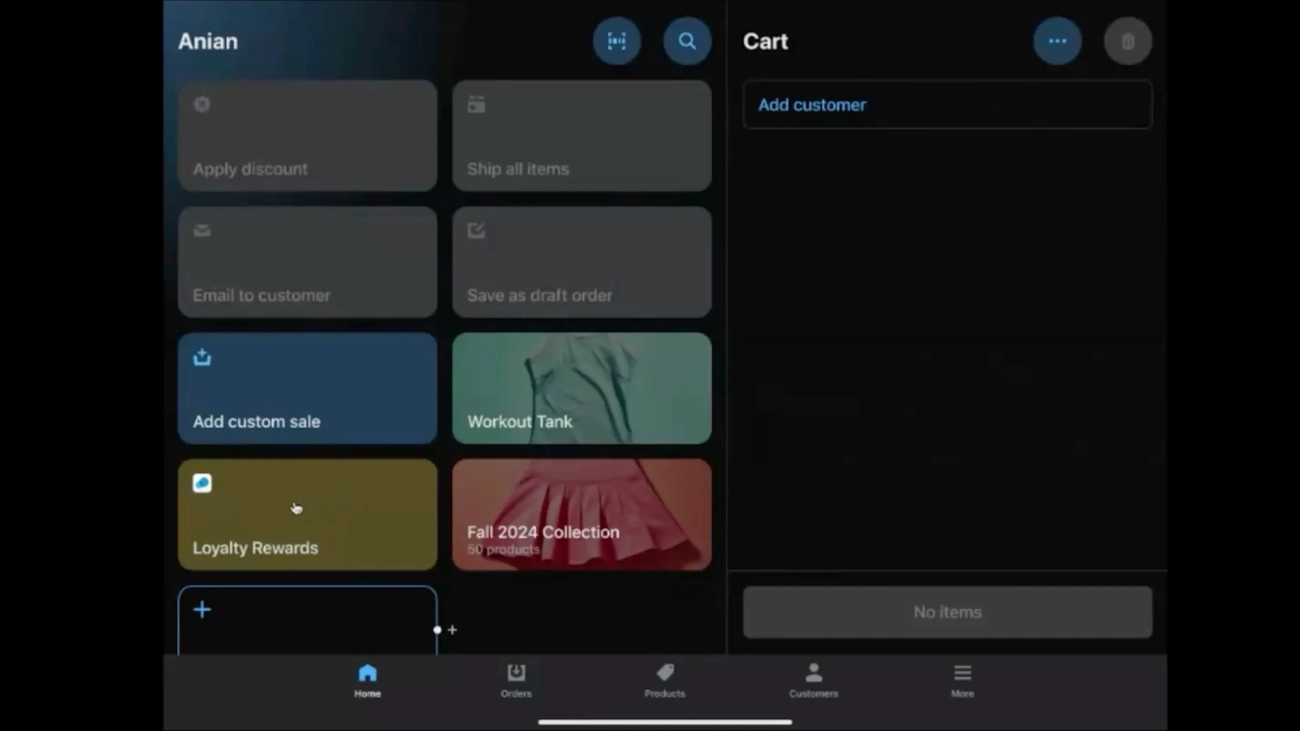
¿Está explorando formas de transformar su negocio minorista con tecnología de vanguardia? tecnologías de automatización minorista? Si es así, comprender cómo el hardware POS soporta la automatización minorista es clave para aumentar la eficiencia y maximizar las ventas. Ya sea que sea un minorista que busca acelerar las colas de pago, reducir los errores de inventario o mejorar la participación del cliente, integrar el adecuado componentes de hardware del sistema POS puede marcar la diferencia.
En SDLPOS, sabemos que lo inteligente Integración de hardware de TPV es más que simplemente tener escáneres de códigos de barras o cajas registradoras: se trata de crear una experiencia minorista automatizada y fluida que ahorre tiempo, reduzca costos y mejore la precisión. En esta publicación, descubrirá exactamente cómo varios dispositivos POS trabajan juntos para automatizar las ventas, el inventario y los informes, preparando su tienda para el éxito hoy y mañana.
Profundicemos y veamos qué hace que el hardware de punto de venta sea la columna vertebral de la automatización minorista moderna.
Cómo el hardware de punto de venta apoya la automatización minorista
Comprensión de la automatización minorista y su alcance
La automatización minorista se refiere al uso de tecnología y software para optimizar las operaciones minoristas, reducir el trabajo manual y mejorar tanto la eficiencia como la experiencia del cliente. Cubre una amplia gama de sistemas, incluyendo soluciones de pago automatizado, la gestión de inventario y las herramientas de participación del cliente. El objetivo es hacer que las tareas minoristas diarias sean más rápidas, más precisas y menos propensas a errores humanos.
En el mercado competitivo actual, las tecnologías de automatización minorista ya no son opcionales. Ayudan a las empresas a mantenerse al día con las expectativas de los consumidores y a gestionar operaciones complejas sin problemas. Ya sea que opere una pequeña boutique o una gran cadena, la automatización da forma a cómo los productos se mueven de los estantes a los clientes y cómo los datos impulsan decisiones más inteligentes.
Desafíos clave del comercio minorista resueltos por la automatización
Los minoristas enfrentan varios desafíos continuos que la automatización ayuda a superar, incluyendo:
- Errores manuales: Los errores ocurren cuando los cajeros introducen precios o recuentos de inventario manualmente. La automatización minimiza estos errores al confiar en escáneres de código de barras y sistemas POS integrados.
- Pago lento: Las largas colas y las transacciones lentas conducen a clientes frustrados. La automatización sistemas de cajas registradoras y la rápida lectura de códigos de barras aceleran este proceso.
- Discrepancias en el inventario: Errores en el conteo, merma y retrasos en las actualizaciones de stock pueden resultar en ventas perdidas o exceso de inventario. La automatización del inventario minorista a través de hardware POS conectado garantiza actualizaciones en tiempo real y niveles de stock precisos.
El papel de la integración tecnológica en el éxito minorista
El éxito de la automatización minorista depende de la integración perfecta de varias tecnologías. El hardware POS como escáneres de código de barras, terminales de pago, impresoras de recibos y pantallas para clientes deben comunicarse de manera fluida con plataformas de software para:
- Flujo de datos en tiempo real entre los sistemas de ventas e inventario
- Precios precisos y descuentos aplicados automáticamente durante el pago
- Informes de ventas sólidos que guían la reposición de inventario y marketing
Al combinar Integración de hardware de TPV Con software inteligente, los minoristas pueden mejorar la eficiencia operativa, reducir costos y ofrecer una mejor experiencia de compra que hace que los clientes vuelvan.
La automatización minorista impulsada por hardware POS avanzado aborda los desafíos principales mientras permite a los minoristas mantenerse ágiles y competitivos en un mercado en rápida evolución.
¿Qué son los componentes y funciones del hardware POS en la automatización minorista?
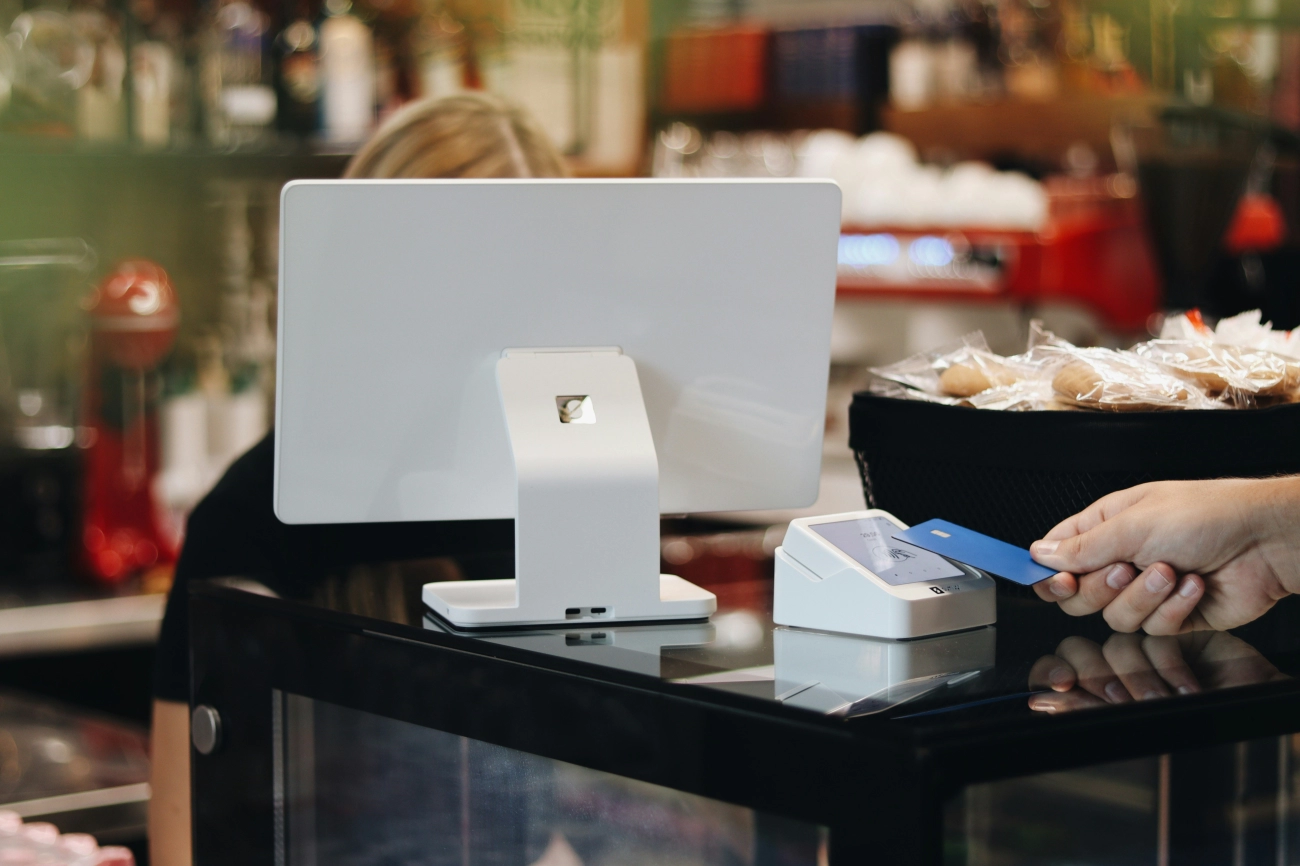
El hardware del Punto de Venta (POS) es la columna vertebral de cualquier sistema de automatización minorista, permitiendo transacciones fluidas y eficientes mientras mantiene los datos precisos y actualizados. Analicemos los componentes esenciales del hardware POS y entendamos cómo contribuyen cada uno a la automatización minorista:
Componentes esenciales del hardware POS
Cajas registradoras
La caja registradora clásica sigue siendo clave en muchas tiendas, gestionando transacciones en efectivo de manera segura y proporcionando un registro físico de las ventas.
Escáneres de código de barras
Estos aceleran el proceso de pago al leer instantáneamente la información y los precios del producto. Los escáneres de código de barras desempeñan un papel crucial en la automatización del inventario en tiempo real, reduciendo errores por entrada manual.
Impresoras de recibos
Un elemento imprescindible para imprimir recibos de clientes y resúmenes de pedidos, apoyando la transparencia y el registro de datos.
Terminales de pago
Estos dispositivos procesan pagos con tarjeta de débito/crédito y cada vez más soportan pagos sin contacto y móviles, aumentando la velocidad y comodidad en el proceso de pago.
Pantallas para clientes
Pantallas visibles en la caja que muestran precios y detalles de la transacción, manteniendo informados a los clientes y reduciendo disputas.
Cómo el hardware POS soporta transacciones sin interrupciones y una recopilación de datos precisa
Cada dispositivo forma parte de un sistema unificado diseñado para automatizar el proceso de pago, el registro de ventas y la gestión de inventario:
- Los escáneres capturan datos de los artículos al instante, ayudando a actualizar automáticamente los niveles de stock.
- Las terminales de pago procesan múltiples tipos de pago de forma segura y rápida, reduciendo los tiempos de espera.
- Las impresoras de recibos finalizan las ventas con prueba impresa para clientes y personal.
- Las cajas registradoras proporcionan un sistema de respaldo para la gestión de efectivo y el registro de transacciones.
- Las pantallas para clientes mejoran la transparencia y la confianza del cliente mostrando detalles de la transacción en tiempo real.
Integración de hardware y software
El hardware POS no funciona solo; se integra de manera fluida con el software de comercio minorista que gestiona todo, desde el seguimiento de ventas y la gestión de inventario hasta programas de fidelización y análisis de ventas. Esta integración estrecha integración hardware-software garantiza que los datos fluyen sin problemas, proporcionando a los minoristas información actualizada y reduciendo errores manuales comunes en sistemas basados en papel.
Al combinar estos componentes, los minoristas pueden lograr procesos de pago rápidos y precisos, mantener la precisión del inventario y recopilar datos valiosos de ventas, todos pilares esenciales de la automatización minorista moderna.
Cómo el hardware POS soporta las funciones principales de la automatización minorista
El hardware POS desempeña un papel fundamental en la potenciación de la automatización minorista al simplificar las operaciones diarias de la tienda. Así es como los componentes del hardware del sistema POS apoyan directamente tareas clave de automatización:
Automatización de transacciones de venta para un proceso de pago rápido y preciso
Una de las mayores ventajas del hardware POS, como lectores de código de barras y cajas registradoras, es acelerar el proceso de pago. Estos dispositivos minimizan errores en la entrada manual y mantienen las filas en movimiento mediante:
- Escanear rápidamente los artículos para obtener precios e información del producto
- Calcular automáticamente los totales incluyendo impuestos y descuentos
- Procesar diversos métodos de pago de manera eficiente a través de sistemas integrados terminales de pago
Esta automatización reduce los tiempos de espera, mejorando la experiencia del cliente y aumentando la eficiencia operativa.
Gestión de inventario en tiempo real con actualizaciones automáticas de stock
Utilizar escáneres de código de barras vinculados a su sistema POS permite la automatización del inventario en tiempo real. Cada venta actualiza instantáneamente los niveles de stock para proporcionar:
- Conteos precisos del inventario disponible
- Alertas automáticas cuando los artículos se agotan
- Disminución de discrepancias causadas por conteos manuales
Esto ayuda a los minoristas a evitar tanto agotamientos de stock como exceso de inventario, mejorando el control general del inventario sin trabajo adicional.
Automatización de precios y descuentos en el momento del pago
El hardware POS soporta capacidades de precios dinámicos mediante la aplicación automática de descuentos, ofertas y precios de fidelidad durante el proceso de pago. Esto incluye:
- Calcular rebajas y promociones de temporada en tiempo real
- Aplicar descuentos específicos para clientes basados en datos del programa de fidelidad
- Prevenir errores en los precios que puedan generar pérdida de ingresos
La fijación de precios automatizada facilita que las tiendas implementen promociones complejas de manera fluida y coherente.
Recopilación de datos de clientes para programas de fidelización y marketing dirigido
El hardware POS moderno suele contar con pantallas para clientes y software integrado que capturan datos valiosos de los compradores en el momento del pago. Esto soporta:
- Registro y seguimiento de puntos en programas de fidelización
- Recopilación del historial de compras para ofertas personalizadas
- Campañas de marketing dirigidas impulsadas por análisis de datos
Capturar esta información ayuda a los minoristas a construir mejores relaciones, aumentar las visitas repetidas y potenciar las ventas en un mercado competitivo.
Informes de ventas y análisis para decisiones basadas en datos
El hardware POS permite la captura automática de datos esencial para generar de ventas y análisis. Con datos detallados de transacciones, los minoristas pueden:
- Monitorizar qué productos se venden mejor y cuándo
- Rastrear el rendimiento de los empleados y las tendencias de ventas
- Tomar decisiones informadas sobre compras de inventario y estrategias de marketing
Este nivel de conocimiento, impulsado por la captura automatizada de datos, permite a los minoristas optimizar operaciones y mejorar la rentabilidad con un esfuerzo manual mínimo.
La integración del hardware POS es la columna vertebral de una automatización minorista efectiva. Desde acelerar los pagos y gestionar los niveles de stock hasta mejorar la participación del cliente y generar informes perspicaces, estos dispositivos permiten a los minoristas operar de manera más inteligente y eficiente cada día.
Beneficios de integrar hardware POS en la automatización minorista
Integrar hardware POS en tu sistema de automatización minorista aporta ventajas claras that can transform daily operations and overall business growth. Here’s how POS technology directly benefits U.S. retailers:
Mayor eficiencia y reducción de errores humanos
El hardware POS, como escáneres de código de barras y cajas registradoras, acelera las transacciones y minimiza la entrada manual. Esto reduce errores como precios incorrectos o errores en el inventario, lo que conduce a procesos de pago más fluidos y registros de ventas precisos.
Mejora la experiencia del cliente y servicio más rápido
Los procesos de pago más rápidos significan menos tiempo de espera para los clientes, lo que aumenta la satisfacción y las visitas recurrentes. Las pantallas para clientes y los terminales de pago digital hacen que las transacciones sean sencillas y transparentes, mejorando la calidad del servicio en general.
Mejor control de inventario que reduce pérdidas y exceso de stock
Con actualizaciones de inventario en tiempo real impulsadas por hardware POS, los minoristas obtienen mejor visibilidad de los niveles de stock. Esto ayuda a prevenir pérdidas por robo o mercancía mal ubicada (pérdidas) y evita pedidos excesivos, lo que inmoviliza capital innecesariamente.
Ahorro de costos frente a procesos manuales
Automatizar el seguimiento de ventas e inventario con dispositivos POS reduce los costos laborales asociados con el registro manual. Los errores reducidos y la mejora en el flujo operativo se traducen en ahorros significativos a lo largo del tiempo.
Escalabilidad y adaptabilidad para diferentes formatos de comercio minorista
Ya sea que opere una pequeña boutique o una gran cadena de varias tiendas, las soluciones modernas de hardware POS escalen fácilmente se adaptan a sus necesidades. Se integran con diversos formatos de comercio minorista y sistemas de software, apoyando un crecimiento y una adaptación flexibles.
Al invertir en la integración de hardware POS, los minoristas en España pueden mejorar la eficiencia, precisión y satisfacción del cliente, todo mientras mantienen los costos bajo control y preparan su negocio para futuras tecnologías.
Elegir el hardware POS adecuado para su negocio minorista
Seleccionar el hardware POS es fundamental para que la automatización minorista funcione sin problemas. La elección depende en gran medida de factores como tamaño del negocio, tipos de transacciones, y tu necesidades de integración tecnológica.
Factores clave a considerar en la selección de hardware POS
- Tamaño del negocio: Las tiendas pequeñas pueden necesitar cajas registradoras compactas y escáneres de código de barras simples, mientras que las tiendas más grandes se benefician de sistemas más avanzados con múltiples terminales y terminales de pago.
- Tipos de transacciones: Si manejas una mezcla de pagos en efectivo, tarjeta y móvil, asegúrate de que tu hardware POS soporte todo de manera fluida.
- Necesidades de integración: Tus dispositivos POS deben funcionar bien con tu gestión de inventario, programas de fidelización y software de informes de ventas para ofrecer una automatización de extremo a extremo.
- Facilidad de uso y fiabilidad: El personal debe encontrar el hardware fácil de operar sin problemas técnicos frecuentes.
Cómo SDLPOS Apoya las Diversas Necesidades Minoristas
Como proveedor de confianza en España, el hardware y las soluciones de SDLPOS ofrece una amplia gama de opciones de hardware diseñadas para diferentes formatos minoristas. Sus productos incluyen:
- Cajas registradoras duraderas construidas tanto para tiendas de conveniencia pequeñas como para grandes establecimientos minoristas.
- Escáneres de código de barras precisos que aceleran el proceso de pago mientras mejoran la precisión del inventario.
- Terminales de pago que manejan múltiples tipos de pago de manera rápida y segura.
- Impresoras de tickets y pantallas para clientes que ayudan a ofrecer una comunicación rápida y clara en la caja.
los integración de hardware de SDLPOS garantiza que todos estos dispositivos funcionen como un sistema único, haciendo que la automatización minorista sea eficiente y fluida.
Éxito en el mundo real usando hardware de SDLPOS
Un minorista de ropa de tamaño mediano en España actualizó su hardware a SDLPOS, integrando escáneres de código de barras, cajas registradoras y terminales de pago en su sistema existente. En pocas semanas, observaron:
- A 30% reducción en los tiempos de pago, mejorando la satisfacción del cliente.
- Actualizaciones automatizadas de inventario que redujeron las discrepancias de stock en un 25%.
- Informes de ventas mejorados que permiten mejores decisiones de compra y promociones dirigidas.
Este caso destaca cómo el hardware POS adecuado, específicamente adaptado al tamaño y las necesidades del negocio, puede ofrecer resultados reales en la automatización minorista.
Elegir cuidadosamente el hardware POS, con opciones como SDLPOS, prepara a tu negocio para operaciones minoristas más rápidas e inteligentes y una mejor experiencia para el cliente.
Tendencias futuras en hardware POS y automatización minorista
A medida que el comercio minorista continúa evolucionando, hardware POS está avanzando con nuevas tecnologías que hacen que la automatización sea más inteligente y eficiente. Mantenerse a la vanguardia significa entender estas tendencias futuras y preparar a tu negocio para adoptarlas sin problemas.
Tecnologías emergentes que están dando forma al hardware POS
Tecnología RFID
La RFID (Identificación por Radiofrecuencia) está revolucionando la gestión de inventario y el proceso de pago. A diferencia de los códigos de barras, las etiquetas RFID no requieren escaneo con línea de vista, lo que permite recuentos de stock más rápidos y precisos y pagos más ágiles para los clientes.
Pagos biométricos
La seguridad y la comodidad se combinan con opciones de pago biométrico como reconocimiento facial o de huellas dactilares. Estos sistemas aceleran las transacciones mientras mejoran la prevención del fraude, siendo ideales para locales comerciales concurridos.
Hardware POS móvil
Los sistemas POS móviles permiten al personal completar ventas en cualquier parte de la tienda, reduciendo los tiempos de espera y mejorando el servicio al cliente. La portabilidad también ofrece mayor flexibilidad durante horas punta o eventos especiales.
El papel de IoT y AI en la automatización del comercio minorista
Integración de IoT
El Internet de las Cosas (IoT) conecta el hardware del POS con sensores de inventario, cámaras de seguridad y otros dispositivos para crear una red fluida. Esto ayuda a monitorear los niveles de stock en tiempo real y automatizar alertas de reposición, reduciendo pérdidas y problemas de stock agotado.
Inteligencia Artificial
Los sistemas POS impulsados por IA analizan patrones de ventas, preferencias de los clientes y tendencias de inventario. Esta información permite precios dinámicos, promociones personalizadas y decisiones de personal más inteligentes, aumentando directamente la eficiencia y los beneficios.
Preparando su negocio minorista para el hardware POS de próxima generación
Evalúe su configuración actual
Revise su hardware y software POS existentes para identificar brechas y oportunidades de mejora.
Planifique la integración
Elija sistemas POS adaptables que se integren fácilmente con dispositivos IoT y plataformas de IA para preparar su tienda para el futuro.
Capacite a su equipo
Invierta en formación del equipo para aprovechar al máximo las tecnologías avanzadas de POS y garantizar una adopción sin problemas.
Colabore con proveedores confiables
Trabajar con proveedores de confianza como SDLPOS significa soporte sin complicaciones y acceso a lo último en hardware POS adaptado a las tendencias del comercio minorista.
En resumen, el futuro de la automatización minorista reside en hardware POS más inteligente, impulsado por RFID, biometría, tecnología móvil, IoT y IA. Adoptar estas tendencias mejorará la eficiencia, elevará la experiencia del cliente y mantendrá su negocio minorista competitivo en un mercado en constante evolución.