






History of Cash Registers From Invention to Modern POS

Los orígenes de la caja registradora
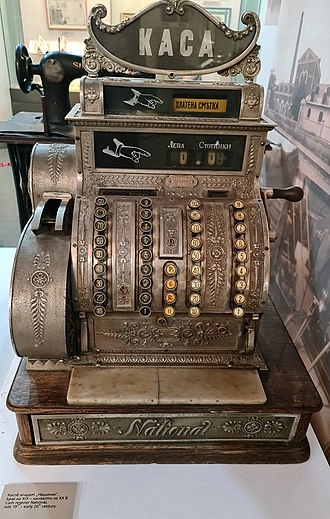
James Ritty y el nacimiento de la caja registradora mecánica
El historia de las cajas registradoras comienza en 1879 con la invención del “Cajero incorruptible” by James Ritty, un propietario de un bar en Dayton, Ohio. Ritty enfrentó un problema común de la época: el robo por parte de empleados y el manejo inexacto del efectivo. Sin una forma confiable de rastrear las transacciones, las pequeñas pérdidas se acumulaban rápidamente, reduciendo las ganancias.
Decidido a encontrar una solución, Ritty diseñó un dispositivo mecánico inspirado en un contador de hélice de un barco de vapor, que contaba y registraba las rotaciones. Esta innovación evolucionó hasta convertirse en la primera caja registradora mecánica — una máquina que podía registrar cada venta y prevenir retiros no autorizados del cajón.
Motivación detrás de la caja registradora
El propósito inicial de la caja registradora era simple pero poderoso:
- Prevenir el robo por parte de empleados al registrar cada transacción.
- Proporcionar un registro visible de ventas para el propietario de la tienda.
- Mejorar precisión financiera en las operaciones diarias.
Por primera vez, los minoristas tenían una herramienta que ofrecía responsabilidad y transparencia, lo que cambió completamente la forma en que se manejaba el dinero en el punto de venta.
Diseños iniciales y principios mecánicos
Los modelos originales de Ritty tenían sin cajón de efectivo. En su lugar, presentaban un conjunto de teclas para ingresar el monto de una venta y un dial de visualización que mostraba el total. La operación de la máquina era puramente mecánica, confiando en palancas, engranajes y contadores — sin electricidad involucrada.
Los principios mecánicos clave de la caja registradora temprana incluían:
- Mecanismos con resorte para la entrada de números.
- Contadores rotativos para registrar los totales de las transacciones.
- Indicadores visibles para mostrar a los clientes el monto de la transacción.
Estos diseños sentaron las bases para tecnología minorista temprana, que eventualmente llevó a versiones avanzadas con cajones de efectivo, recibos impresos y funciones automatizadas.
Al resolver un problema empresarial apremiante del siglo XIX, la caja registradora mecánica se convirtió rápidamente en una herramienta imprescindible para tiendas minoristas, allanando el camino para innovaciones que aún moldean sistemas de pago minoristas hoy en día.
Evolución de las cajas registradoras a principios del siglo XX
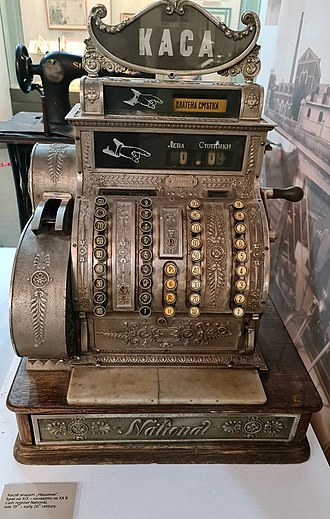
Innovaciones de la Compañía Nacional de Caja Registradora
A principios de los años 1900, la Compañía Nacional de Caja Registradora (NCR) se convirtió en la fuerza impulsora detrás de la evolución de las cajas registradoras. No solo fabricaban máquinas — sino que mejoraron diseños, aseguraron patentes clave, y establecieron estándares de la industria para la fiabilidad. Esta era pasó de ser herramientas simples para prevenir robos a modelos más avanzados las cajas registradoras mecánicas diseñados para la eficiencia.
Nuevas Características que Cambiaron el Comercio Minorista
Para las décadas de 1910 y 1920, las cajas registradoras comenzaron a incluir:
- Cajas de dinero para almacenamiento seguro y organizado del dinero
- Impresión de recibos para dar a los clientes prueba de compra
- Contadores mecánicos para rastrear el número de ventas y monitorear los ingresos
Estas mejoras permitieron a los dueños de tiendas verificar fácilmente los totales de ventas, reducir errores, y mantener mejores registros financieros — algo que antes era casi imposible.
Impacto en las operaciones minoristas y la gestión de efectivo
Las mejoras en las cajas registradoras mecánicas transformaron la forma en que las tiendas operan en España. Los minoristas ahora podían:
- Acelera las transacciones durante las horas punta
- Reducir el robo por parte de los empleados con cajones de efectivo con cerradura
- Rastrear las ventas diarias sin cálculos manuales
- Mejorar la confianza del cliente con recibos precisos
Para pequeñas tiendas generales, comedores y grandes almacenes por igual, este avance en tecnología minorista temprana significó más que solo conveniencia — trajo mejor control del efectivo y la capacidad de manejar volúmenes mayores de clientes con confianza.
Transición a las cajas registradoras electrónicas
Para los años 1960 y 1970, el clásico caja registradora mecánica dio paso a las cajas registradoras electrónicas (ECRs). Esta transición ocurrió a medida que los minoristas necesitaban formas más rápidas, precisas y eficientes de gestionar las transacciones. Los engranajes mecánicos y las palancas fueron reemplazados por circuitos electrónicos y pantallas digitales, reduciendo los errores humanos y acelerando el proceso de pago.
Por qué las cajas registradoras electrónicas se convirtieron en el estándar
Las empresas en toda España vieron tres grandes ventajas al pasar a las Cajas Registradoras Electrónicas:
- Velocidad – Transacciones procesadas en segundos, manteniendo las filas en movimiento.
- Precisión – Menor riesgo de contar mal el efectivo o de fijar mal los precios de los artículos.
- Mejores registros – El almacenamiento de datos integrado facilitó el seguimiento de ventas, totales e información fiscal.
En el mundo minorista, estas mejoras significaron más ventas durante las horas punta y una mejor contabilidad después del cierre.
La tecnología informática impulsando el cambio
El auge de las tecnologías informáticas emergentes en esta era jugaron un papel importante. Los circuitos integrados permitieron máquinas más pequeñas y confiables. La memoria programable significaba que las tiendas podían guardar datos de precios y transacciones sin necesidad de registros manuales. Para muchas empresas en España, fue el primer paso hacia la gestión minorista digitalmucho antes de que entraran en juego los sistemas POS modernos.
A finales de los años 70, Las ECR no eran solo cajas registradoras; se habían convertido en una herramienta empresarial que ayudaba a los propietarios minoristas a controlar el inventario, observar tendencias y gestionar las operaciones de manera más eficiente. Esta evolución sentó las bases para lo que hoy conocemos como sistemas informáticos de sistemas de punto de venta.
El auge de los sistemas de Punto de Venta POS
De cajas registradoras a sistemas conectados
Tradicional cajas registradoras estaban diseñados para registrar ventas, guardar dinero y quizás imprimir un recibo. Sistemas de Punto de Venta (POS) van mucho más allá de eso. Combinan procesamiento de pagos con seguimiento de inventario en tiempo real, análisis de ventas y herramientas de gestión de clientes todo en una plataforma. En lugar de simplemente registrar una venta, un sistema POS puede actualizar instantáneamente los niveles de stock, aplicar descuentos, gestionar programas de fidelización y proporcionar datos para mejores decisiones empresariales.
Cómo los sistemas POS se integran con las operaciones comerciales
Las configuraciones modernas de POS no son solo hardware—son parte de un ecosistema conectado. Las características clave incluyen:
- Gestión de inventario: Ajusta automáticamente los conteos de productos cuando se realiza una venta.
- Análisis de ventas: Seguimiento de los productos más vendidos, las horas de mayor afluencia y las tendencias de ingresos.
- Perfiles de clientes: Guarda el historial de compras para personalizar ofertas y mejorar el servicio.
- Gestión de empleados: Seguimiento de ventas por empleado y control de niveles de acceso.
Estas integraciones hacen sistemas POS que sea más de un centro de mando del negocio más que solo una máquina de caja registradora.
Adopción del mercado y tendencias de la industria
En España, la adopción de la tecnología POS ha despegado en minoristas, restaurantes, salones y negocios de servicios. Las tendencias clave incluyen:
- Tiendas minoristas valor POS por su el control de inventario y capacidad de sincronizar ventas en línea y en la tienda.
- Restaurantes y cafeterías utilizar sistemas POS para pedidos en la mesa, integración en la cocina y pago rápido.
- Negocios de servicios utilizar POS para reservas, depósitos y recordatorios a clientes.
Los sistemas POS basados en la nube son especialmente populares en áreas urbanas debido a las rápidas velocidades de internet, mientras que los sistemas híbridos son comunes en regiones rurales por su fiabilidad offline.
Tecnología moderna de caja registradora
Las cajas registradoras modernas han evolucionado mucho más allá de los antiguos diseños mecánicos. Los sistemas actuales están diseñados para velocidad, flexibilidad y seguridad, ofreciendo a las empresas herramientas que van mucho más allá de registrar ventas. En el mercado, muchos minoristas ahora confían en sistemas POS móviles, soluciones en la nube y interfaces táctiles—todo diseñado para hacer las operaciones más rápidas y conectadas.
Soluciones POS móviles y en la nube
El sistemas POS móviles permiten a las empresas procesar pagos en cualquier lugar—ya sea en el mostrador, en los pasillos de la tienda o en eventos temporales. Esta flexibilidad funciona bien para pequeñas tiendas, grandes minoristas y restaurantes por igual. Registros en la nube almacenar datos de forma segura en línea, permitiendo a los propietarios consultar ventas e inventario desde cualquier lugar, incluso desde un teléfono o tableta.
Beneficios clave para negocios en España:
- Acceso a datos en tiempo real desde cualquier dispositivo
- Actualizaciones de software instantáneas sin tiempo de inactividad
- Mejor escalabilidad para negocios en crecimiento
Interfaces táctiles y facilidad de uso
Las cajas registradoras con pantalla táctil hacen que la capacitación sea más rápida y las operaciones diarias más fluidas. Menús simples, catálogos visuales de productos y entradas táctiles ayudan a reducir errores y acelerar los tiempos de pago. Para tiendas con alto volumen, esto puede significar filas más cortas y clientes más felices.
Seguridad y Cumplimiento en Pagos
La seguridad en los pagos es ahora innegociable. Las cajas registradoras modernas están diseñadas con:
- Soporte para tarjetas con chip EMV para protección contra fraudes
- Cifrado de extremo a extremo para mantener seguros los datos del titular de la tarjeta
- cumplimiento PCI para cumplir con estrictos estándares de procesamiento de pagos
Estas funciones no solo protegen los datos del cliente, sino que también evitan que las empresas enfrenten costosos problemas de cumplimiento.
Cómo SDL POS Satisface las Necesidades Modernas
Los sistemas SDL POS reúnen todas las funciones imprescindibles:
- Listos para móvil y en la nube plataformas para ventas sobre la marcha
- Diseños de pantalla táctil personalizables para transacciones más rápidas
- Análisis de ventas integrado y seguimiento de inventario para decisiones más inteligentes
- Herramientas de seguridad avanzadas para mantenerse conforme y seguro
Para minoristas, restaurantes y proveedores de servicios de España, SDL POS ofrece una configuración a prueba de futuro que se adapta a medida que su negocio crece, ya sea que esté gestionando compras en la tienda, pedidos en línea o pagos móviles.
Por qué la historia de las cajas registradoras es importante para las empresas de hoy
Entendiendo el evolución de las cajas registradoras no se trata solo de nostalgia, es una forma de tomar decisiones comerciales más inteligentes hoy. Saber cómo los sistemas de pago minorista progresaron desde el invento de la caja registradora mecánica de James Ritty invento de la caja registradora mecánica a moderno POS le ayuda a ver qué ha demostrado funcionar, qué está desactualizado y en qué vale la pena invertir para su tienda, restaurante o negocio de servicios en España.
Aprendiendo del progreso tecnológico
La historia nos muestra que cada paso en desarrollo de la caja registradora vino con mejoras importantes en velocidad, precisión, y protección de ganancias. Al reconocer esos patrones, los propietarios modernos pueden:
- Identifica las funciones imprescindibles antes de actualizar (como el seguimiento de ventas en tiempo real o el inventario integrado).
- Evite pagar de más para complementos llamativos pero no esenciales.
- Selecciona sistemas que escalen a medida que crece tu negocio.
Es el mismo principio que han seguido los minoristas durante más de un siglo: adoptar las herramientas que aumentan directamente las operaciones y la experiencia del cliente.
Por qué importa elegir un proveedor confiable
En el mercado, soporte, fiabilidad y cumplimiento son tan importantes como la propia máquina. Un proveedor de confianza como SDL POS no solo te vende hardware—garantiza:
- Una configuración y capacitación sin problemas para tu equipo.
- Soporte técnico continuo y actualizaciones.
- Cumplimiento con los estándares de procesamiento de pagos,, incluido PCI de seguridad.
- Opciones escalables, ya sea que gestiones una tienda de una sola ubicación o múltiples puntos de venta.
Esto importa porque las interrupciones o sistemas obsoletos pueden costarte directamente ventas y confianza de los clientes.
Tendencias futuras en la tecnología de cajas registradoras
La próxima fase de evolución de los sistemas de pago minorista ya está tomando forma. Espera ver:
- La integración de IA para análisis predictivos de ventas, patrones de compra de los clientes y sugerencias automáticas de inventario.
- Pagos sin contacto convirtiéndose en un estándar, no en un extra—cubriendo NFC, billeteras móviles y tarjetas de contacto.
- Sistemas POS basados en la nube permitiendo la gestión remota desde cualquier lugar.
- Seguridad avanzada de datos funciones para proteger contra el fraude en pagos modernos.
Para las empresas en España, estar atento a estas tecnologías significa que puedes actualizar en el momento adecuado y mantenerte por delante tanto de los competidores como de las expectativas de los clientes.