






Beneficios, características y soluciones de los sistemas POS de informes en tiempo real

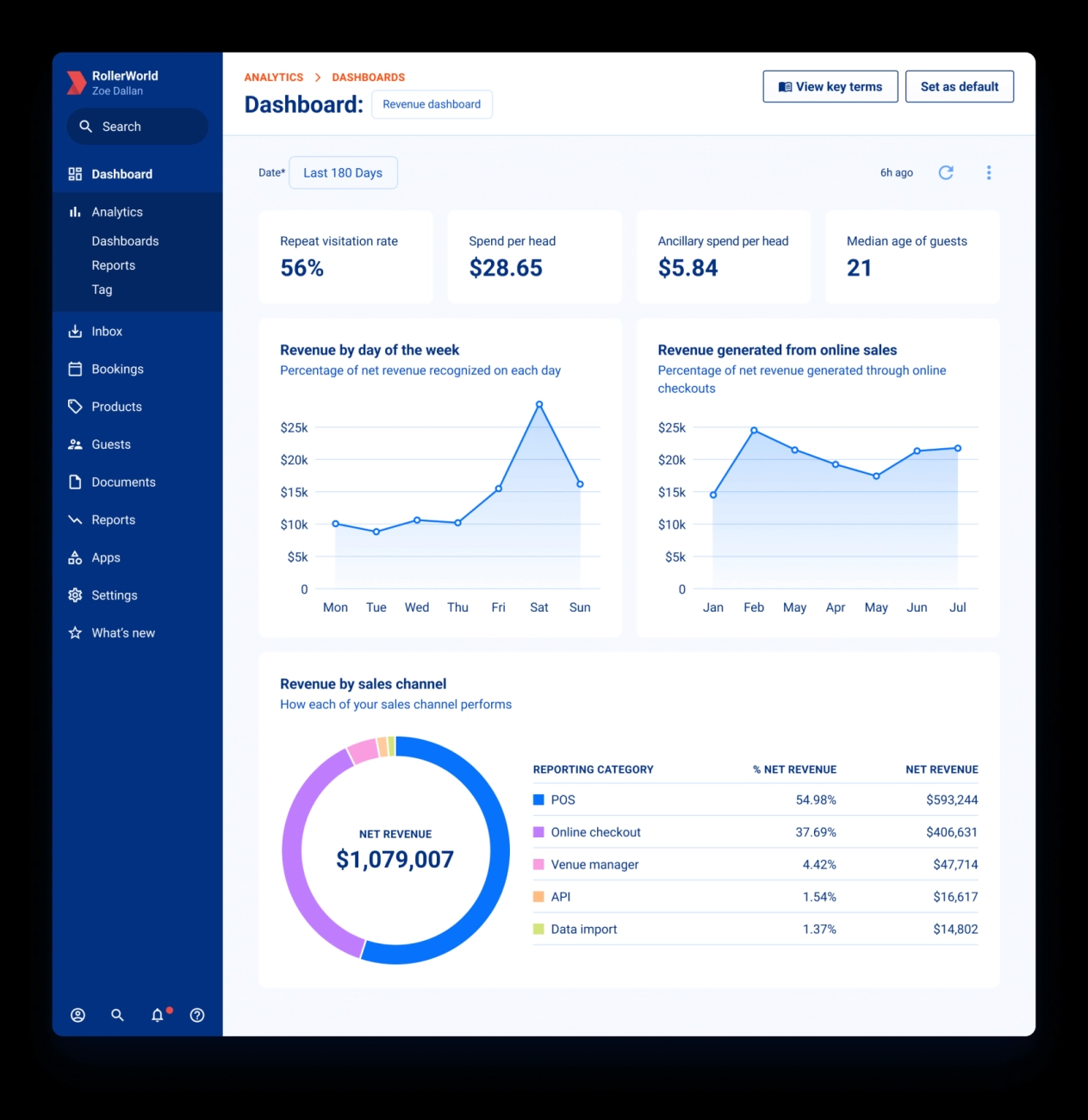
¿Te cuesta mantener al día las ventas y el inventario de tu negocio en el mercado acelerado de hoy? Un sistema de informes en tiempo real POS podría ser el cambio que necesitas.
Como propietario de un negocio, entiendo lo importante que es tener información instantánea para tomar decisiones inteligentes. Por eso comparto orientación práctica basada en experiencia real del sector.
Informes en tiempo real en sistemas POS proporciona datos en vivo sobre ventas, inventario, y tendencias de clientes, permitiéndote mantenerte a la vanguardia. Con el hardware y las soluciones de SDLPOS hardware, obtienes herramientas confiables para desbloquear estos conocimientos sin esfuerzo.
En esta guía, descubrirás cómo análisis en tiempo real de POS puede aumentar la eficiencia, características clave a buscar y consejos para implementar un sistema que transforme tus operaciones.
¡Vamos a ello!
Qué es el informe en tiempo real en los sistemas POS
Definición y componentes clave del informe en tiempo real
El informe en tiempo real en un sistema POS significa acceso inmediato a datos de ventas y operaciones a medida que ocurren las transacciones. A diferencia de los sistemas tradicionales que recopilan datos al final del día o después de intervalos específicos, el informe en tiempo real proporciona a las empresas una vista instantánea de su rendimiento. Esta capacidad depende de la captura continua de datos, procesamiento rápido y sincronización sin problemas—a menudo impulsada por soluciones de informes POS basadas en la nube y hardware POS confiable como SDLPOS.
Los componentes clave incluyen:
- Sistema de seguimiento de ventas en vivo POS que actualiza las cifras de ventas al instante
- Monitoreo de inventario que refleja los cambios de stock de inmediato
- Registro de transacciones sin demora
- Informes de actividad de empleados que muestran la productividad actual y los turnos
- Paneles con monitoreo en tiempo real para obtener insights rápidos
Cómo los datos en tiempo real difieren de los informes por lotes tradicionales
Los sistemas POS tradicionales a menudo dependen de procesamiento por lotes, donde los datos se recopilan a lo largo del día y se envían en bloque en un momento posterior. Este enfoque retrasa información crítica como tendencias de ventas o escasez de inventario, dejando a los gerentes en la oscuridad hasta que termina el período de informes.
En contraste, los informes en tiempo real eliminan este retraso mediante:
- Entregando actualizaciones continuas en lugar de resúmenes periódicos
- Apoyar una toma de decisiones más rápida basada en datos en vivo
- Permitiendo acciones inmediatas sobre tendencias de ventas, niveles de inventario y necesidades de personal
- Reduciendo riesgos por información desactualizada o inexacta en los informes
Ejemplos de puntos de datos reportados en tiempo real
Con sistemas POS de informes en tiempo real, una amplia gama de puntos de datos se vuelven visibles instantáneamente, incluyendo:
- Datos de ventas hasta artículos o categorías individuales
- Niveles de inventario que se ajustan automáticamente después de cada venta o reposición
- Detalles de la transacción como método de pago, reembolsos y preferencias del cliente
- Actividad del empleado como registros de entrada, rendimiento en ventas y gestión de turnos
Esta información completa y actualizada permite a las empresas mantenerse ágiles y eficientes. Para las empresas que utilizan hardware SDLPOS, el flujo de datos sin interrupciones garantiza que los informes sean confiables y siempre estén actualizados, mejorando la visibilidad en tiendas y ubicaciones por igual.
Con informes en tiempo real, tu sistema POS se convierte en un herramienta poderosa para informes de ventas en vivo y gestión de inventario en tiempo real, acceso POS en tiempo real, transformando datos en bruto en conocimientos accionables justo cuando los necesitas.
Beneficios clave de los informes en tiempo real POS para empresas

Usando un sistema POS de informes en tiempo real ofrece varias ventajas claras que pueden transformar la forma en que las empresas operan y compiten en el mercado español.
Mejora en la toma de decisiones con datos en vivo de ventas e inventario
Cuando tienes capacidad de seguimiento de ventas en tiempo real POS obtienes datos actualizados sobre qué se vende y qué no. Esta visión en vivo permite a los gerentes tomar decisiones rápidas e informadas—ya sea ajustando precios, lanzando promociones o reubicando stock. En lugar de esperar informes de fin de día o semanales, reaccionas al instante, manteniendo tu negocio ágil y competitivo.
Mejor gestión de inventario y reducción de agotamientos
Uno de los mayores dolores de cabeza que enfrentan los minoristas es quedarse sin stock o mantener inventario excesivo. Con gestión de inventario en tiempo real POS, monitoreas los niveles de productos a medida que se venden. Esto significa que puedes reordenar justo a tiempo y evitar costosos agotamientos o situaciones de sobrestock. Para tiendas con múltiples ubicaciones, esto también ayuda a equilibrar el inventario donde más se necesita, reduciendo pérdidas y mejorando el flujo de efectivo.
Respuesta más rápida a las tendencias de ventas y comportamiento del cliente
Las preferencias de los clientes cambian rápidamente, y con análisis en tiempo real del sistema POS, puedes ver estos cambios a medida que ocurren. Ya sea que un artículo en particular sea de repente popular o que esté surgiendo una nueva tendencia, tu equipo puede reaccionar de inmediato—ofreciendo ofertas o ajustando exhibiciones para captar la demanda. Esta capacidad de responder rápidamente aumenta las oportunidades de venta y la satisfacción del cliente.
Operaciones simplificadas y gestión de personal mediante insights en tiempo real
Los informes en tiempo real ayudan a gestionar no solo el inventario sino también al personal y los flujos de trabajo. Puedes analizar la actividad de los empleados y los datos de transacciones para optimizar la programación, reducir los tiempos de espera y mejorar el servicio. Saber exactamente cuándo se producen los picos de actividad te permite asignar la mano de obra de manera efectiva, reduciendo costos sin sacrificar la experiencia del cliente.
Reducción de errores y carga de trabajo manual en informes
Con captura y sincronización automatizadas de datos, la probabilidad de errores humanos disminuye significativamente. Los paneles de control en tiempo real del sistema POS eliminan la necesidad de informes manuales y entrada de datos, liberando tiempo para que tu personal se concentre en los clientes y las operaciones. Esto aumenta la eficiencia y garantiza que los datos en los que confías sean precisos y estén actualizados.
En resumen, un sistema de informes POS basado en la nube con datos en tiempo real convierte números en bruto en inteligencia empresarial instantánea. Eso significa decisiones más inteligentes, operaciones más fluidas y una mejor rentabilidad para tu negocio minorista o de hostelería.
Cómo funciona el informe en tiempo real en los sistemas POS

El informe en tiempo real en los sistemas POS comienza en el punto de la transacción. Cada venta, devolución o pago se captura inmediatamente mediante el hardware SDLPOS, como cajas registradoras y escáneres de código de barras. Este hardware desempeña un papel vital para garantizar flujo de datos sin interrupciones la integración en el sistema, eliminando los retrasos comunes en los sistemas de procesamiento por lotes antiguos.
Una vez que los datos se capturan, se sincronizan al instante con servicios en la nube. Esta integración permite actualizaciones en vivo a través de todos los dispositivos y ubicaciones conectados, dando a gerentes y empleados acceso a los últimos números de ventas, niveles de inventario y actividad de los empleados sin tiempos de espera. Debido a que los datos viven en la nube, incluso las empresas con múltiples tiendas se benefician de una visibilidad centralizada y en tiempo real.
Los gerentes y propietarios pueden acceder a estos datos a través de paneles de informes fáciles de usar, disponibles en ordenadores de escritorio o dispositivos móviles. Esto facilita monitorear el rendimiento, detectar tendencias y tomar decisiones sobre la marcha, ya sea en el lugar o de forma remota. El acceso móvil es especialmente importante para entornos minoristas ocupados o restaurantes donde se requiere acción rápida.
La fiabilidad de todo el sistema depende en gran medida de la calidad del hardware POS. SDLPOS está diseñado para manejar altos volúmenes de transacciones con un tiempo de inactividad mínimo, asegurando que ninguna venta o punto de datos se pierda. Hardware sólido combinado con una sincronización robusta en la nube significa que tu sistema POS de seguimiento de ventas en tiempo real funciona de manera continua y precisa, apoyando las necesidades de tu negocio.
el informe en tiempo real funciona mediante:
- Capturar datos de transacción instantáneamente en el momento del pago a través del hardware SDLPOS
- Sincronizar la información con plataformas de informes POS basadas en la nube
- Proporcionar seguimiento de ventas en vivo y gestión de inventario a través de paneles intuitivos
- Permitir a los gerentes mantenerse informados y actuar rápidamente mediante acceso móvil y de escritorio
This end-to-end flow of data is what sets modern real-time POS reporting apart from traditional systems and why it’s a game-changer for businesses looking to stay competitive.
Características a buscar en un sistema POS de informes en tiempo real
Al elegir un sistema POS de informes en tiempo real, centrarse en las funciones correctas garantiza que aproveches al máximo el seguimiento de ventas en vivo y la gestión de inventario. Esto es lo que debes priorizar:
Arquitectura basada en la nube y conectividad confiable
Un sistema POS basado en la nube con sincronización instantánea es esencial para actualizaciones en tiempo real. Permite que los datos fluyan sin problemas entre tu tienda, canales de venta en línea y oficina central, asegurando que tus números de ventas e inventario estén siempre actualizados. La conectividad a Internet confiable respalda este intercambio continuo de datos y ayuda a evitar retrasos en análisis en tiempo real del sistema POS.
Interfaces fáciles de usar con paneles personalizables
Busca un sistema que ofrezca paneles intuitivos permitiéndote personalizar qué datos ves. Ya sea informes de ventas en vivo en el punto de venta, rendimiento de empleados o alertas de stock, una interfaz clara y fácil de navegar significa que los gerentes pueden identificar rápidamente problemas o tendencias sin tener que revisar informes complejos.
Soporte Multicanal y Multiubicación
Para empresas con varias tiendas o presencia en línea, la capacidad de informes en el punto de venta en múltiples ubicaciones es una gran ventaja. Permite monitorear ventas e inventario en todos los puntos de venta en un solo lugar, asegurando datos consistentes y una gestión más sencilla. La sincronización en tiempo real entre canales ayuda a detectar tendencias regionales y a mover el stock más rápido.
Seguimiento de Inventario y Sistemas de Alertas
Una parte clave de gestión de inventario en tiempo real POS es el seguimiento automatizado que se actualiza a medida que ocurren las ventas. Los buenos sistemas ofrecen alertas personalizables para stock bajo o actividad inusual, ayudando a evitar quiebres de stock o excesos. Los datos de inventario en tiempo real también respaldan compras más inteligentes y reducen pérdidas por productos caducados u obsoletos.
Consideraciones de Seguridad y Respaldo de Datos
Dado que manejas datos en vivo de clientes y ventas, las funciones de seguridad integradas robustas son fundamentales. El sistema debe soportar cifrado de datos, controles de acceso de usuarios y copias de seguridad regulares para proteger contra pérdida o brechas de datos. Esto también garantiza el cumplimiento de las leyes de privacidad de datos y genera confianza con tus clientes.
Al enfocarte en estas funciones, tu sistema de punto de venta con informes en tiempo real te brindará información confiable y accionable que impulsa decisiones más inteligentes, operaciones mejores y un crecimiento más sólido.
Consejos de Implementación para Empresas que Adoptan Sistemas de Punto de Venta con Informes en Tiempo Real
Cambiar a una sistema POS de informes en tiempo real puede transformar tus operaciones, pero una implementación sin problemas es clave. Esto es lo que necesitas para aprovechar al máximo tu inversión, especialmente al integrarlo con hardware SDLPOS.
Evalúa las Necesidades del Negocio y los Flujos de Trabajo Existentes
- Mapea tus procesos actuales de ventas, inventario y gestión de empleados. Identifica dónde ocurren retrasos o errores para ver cómo la analítica en tiempo real puede ayudar.
- Define metas claras. ¿Buscas mejorar el seguimiento de inventario, acelerar los informes o gestionar múltiples ubicaciones de manera más eficiente? Conocer esto desde el principio guía la configuración.
- Considera el tamaño de tu negocio y el volumen de ventas. Esto afecta los puntos de datos que rastrea y la frecuencia de los informes.
Verifique la compatibilidad de hardware con SDLPOS Solutions
- Asegúrese de que su hardware POS soporte la captura de datos en vivo y la sincronización en la nube. SDLPOS ofrece equipos confiables diseñados para actualizaciones en tiempo real sin problemas.
- Verifique las capacidades de integración. Sus sistemas existentes, como terminales de pago y escáneres de inventario, deben funcionar sin problemas con los dispositivos SDLPOS para evitar brechas en los datos.
- Planifique para una escalabilidad futura. Si espera crecimiento o expansión en múltiples ubicaciones, elija hardware que escale fácilmente.
Capacite al personal para un uso efectivo de los informes en tiempo real
- Proporcione capacitación práctica sobre cómo leer y usar el panel de control POS. Comprender el seguimiento de ventas en vivo y las alertas de inventario es fundamental para una toma de decisiones rápida.
- Enfatice cómo los datos en tiempo real impactan las tareas diarias. Por ejemplo, cómo los gerentes pueden reducir la falta de stock vigilando los niveles de inventario o ajustando el personal según las tendencias de transacciones.
- Haga que los recursos sean accesibles. Guías de referencia rápida y soporte continuo ayudan a los empleados a familiarizarse con los nuevos flujos de trabajo.
Planifique el mantenimiento y soporte continuos
- Programe revisiones regulares del sistema para garantizar que el hardware y el software funcionen sin problemas. Esto previene interrupciones en el flujo de datos en tiempo real.
- Manténgase en contacto con su proveedor de SDLPOS para actualizaciones y resolución de problemas. El soporte rápido reduce el tiempo de inactividad.
- Supervisa la precisión de los datos y la sincronización de manera continua. La coherencia entre las ventas en el front-end y los informes en el backend es esencial para obtener información confiable.
Al centrarte en estos pasos prácticos, puedes desbloquear todos los beneficios de tu sistema de informes de ventas en vivo en el punto de venta (POS) mientras minimizas las interrupciones. Una preparación adecuada y soporte hacen que los informes en tiempo real sean un activo poderoso para el crecimiento de tu negocio.
Desafíos comunes con los informes en tiempo real en POS y cómo superarlos

Implementar informes en tiempo real en tu sistema POS trae muchos beneficios, pero también presenta algunos desafíos. Aquí tienes una visión sencilla de los problemas comunes que enfrentan las empresas con informes POS en tiempo real y formas claras de abordarlos.
Problemas de conectividad y soluciones en modo offline
Una conexión a internet confiable es la columna vertebral de los informes en la nube en POS—sin ella, el flujo de datos en tiempo real se detiene. Muchas empresas, especialmente en áreas con servicio irregular, se preocupan por perder el seguimiento de ventas en vivo o las actualizaciones de inventario durante las interrupciones.
Para superar esto:
- Elige un sistema POS como SDLPOS que soporte modo offline. Almacena los datos localmente durante las interrupciones y los sincroniza automáticamente una vez reconectado.
- Invertir en sistemas de respaldo de batería o líneas de internet secundarias para limitar el tiempo de inactividad.
- Capacita a tu personal para continuar con el seguimiento manual brevemente, si es necesario, sin interrumpir los procesos de ventas o inventario.
- Supervisa tu revisar regularmente la salud de la red y trabajar con los ISP para mejorar la conexión cuando sea posible.
Errores de precisión de datos y sincronización
Cuando su El sistema POS está actualizando múltiples dispositivos y ubicaciones al instante, la sincronización de datos puede a veces retrasarse o causar errores, lo que lleva a informes inexactos.
Para reducir estos riesgos:
- Utilice hardware optimizado para sincronización de datos en tiempo real, como terminales SDLPOS, que garantizan un flujo de datos sin interrupciones.
- Programa copias de seguridad automáticas auditorías del sistema y limpieza de bases de datos para detectar inconsistencias temprano.
- Mantenga un protocolo claro para manejar conflictos de datos si varios usuarios actualizan el mismo archivo de stock o ventas simultáneamente.
- Utiliza alertas automatizadas en su panel de control POS para detectar rápidamente transacciones inusuales o discrepancias.
Garantizar la privacidad de los datos y el cumplimiento
With real-time POS reporting, you’re handling sensitive customer and business data—sales numbers, payment info, employee records—so mantener esto seguro es fundamental.
Las mejores prácticas para mantenerse en cumplimiento y seguro incluyen:
- Utilice sistemas POS con cifrado integrado y almacenamiento seguro en la nube, protegiendo los datos tanto en reposo como en tránsito.
- Actualice regularmente su software y hardware para parchear cualquier vulnerabilidad de seguridad.
- Capacite a sus equipos en políticas de privacidad de datos y la importancia del cumplimiento con estándares como PCI-DSS.
- Haga copias de seguridad de sus datos automáticamente para protegerse contra pérdidas y asegúrese de que su proveedor de POS ofrezca opciones confiables de recuperación de datos.
Al anticipar estos desafíos y establecer soluciones inteligentes, las empresas pueden aprovechar al máximo el poder de capacidad de seguimiento de ventas en tiempo real POS y disfrutar de operaciones más fluidas, conocimientos más precisos y un control más sólido sobre sus datos.
Estudios de caso de POS con informes en tiempo real con hardware SDLPOS
Ver resultados del mundo real es la mejor manera de comprender el poder del POS de informes en tiempo real utilizando hardware SDLPOS. Aquí hay algunos ejemplos de empresas en toda España que han transformado con éxito sus operaciones con seguimiento de ventas en vivo, gestión de inventario y paneles de informes instantáneos.
Un minorista aumenta la precisión del inventario y las ventas
Una creciente cadena de tiendas minoristas en el Medio Oeste implementó hardware SDLPOS junto con un sistema de informes POS basado en la nube. Al cambiar a capacidad de seguimiento de ventas en tiempo real POS, redujeron los desabastecimientos en un 30% y redujeron el exceso de existencias en un 20%. Los gerentes podían monitorear los niveles de inventario en vivo en todas las ubicaciones utilizando paneles POS intuitivos para el monitoreo en tiempo real. Esto les permitió ajustar los pedidos rápidamente y evitar la pérdida de oportunidades de venta.
Beneficios clave:
- Las alertas instantáneas de inventario evitaron que se agotaran los artículos más vendidos
- Las tendencias de ventas rastreadas en vivo ayudaron a dirigir las promociones de manera efectiva
- El informe de puntos de venta en múltiples ubicaciones mejoró la coordinación general de la tienda
El restaurante mejora la eficiencia del personal y el servicio
Un restaurante concurrido en España integró hardware SDLPOS con un sistema de punto de venta de informes en tiempo real para rastrear la actividad de los empleados y las ventas a medida que ocurrían. Usando acceso móvil a sus informes de ventas en vivo, los gerentes ajustaron el personal durante las horas pico sobre la marcha. Esto resultó en una rotación de mesas más rápida y tiempos de espera reducidos.
Beneficios clave:
- La gestión de mano de obra en tiempo real redujo el desperdicio en la nómina
- Los informes de transacciones en vivo identificaron instantáneamente los artículos del menú más vendidos
- El informe de punto de venta basado en la nube garantizó la accesibilidad a los datos desde cualquier lugar
Pequeña empresa se expande con confianza
Una boutique especializada en España aprovechó el hardware SDLPOS para habilitar análisis en tiempo real en el punto de venta para su nueva segunda ubicación. El propietario accedió a datos de ventas e inventario en tiempo real de forma remota, lo que facilitó equilibrar el stock entre los sitios y mantener estándares de servicio consistentes.
Beneficios clave:
- El informe de punto de venta multiplataforma sin interrupciones simplificó la expansión
- Los conocimientos en ventas en tiempo real ayudaron a detectar rápidamente tendencias y ajustar el marketing
- El hardware SDLPOS confiable garantizó un flujo de datos fluido incluso durante días concurridos
Por qué importa el hardware SDLPOS
En todos estos casos, el la fiabilidad del hardware SDLPOS fue un factor crucial. Proporcionó una captura de datos rápida y precisa en el punto de venta, manteniendo los sistemas de informes en vivo alimentados con información actualizada sin retrasos ni caídas. Este flujo constante aseguró que las empresas pudieran confiar en los datos que impulsan sus decisiones todos los días.
Estas historias muestran cómo El informe en tiempo real en el punto de venta combinado con hardware SDLPOS puede impulsar mejores conocimientos, un control de inventario más preciso y movimientos comerciales más inteligentes para minoristas y restaurantes en toda España. Si deseas mantenerte competitivo y receptivo, los datos en tiempo real del punto de venta ya no son opcionales, son esenciales.