






La Evolución de la Tecnología de Caja Registradora y los Sistemas POS Modernos

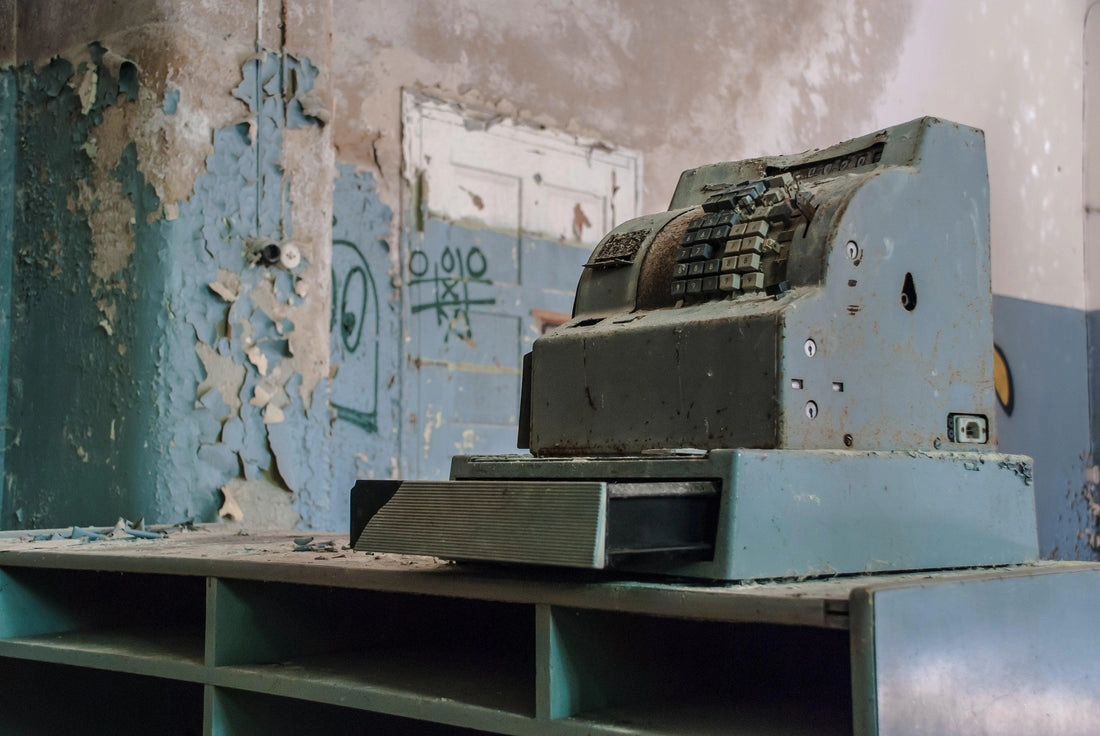
¿Tienes curiosidad por la evolución de la tecnología de cajas registradoras ¿Y cómo llegaron a ser los sistemas modernos de hoy en día? Ya seas propietario de un negocio minorista, entusiasta de la tecnología o alguien que busca actualizar su configuración de punto de venta, entender este recorrido es clave. Desde las primeras cajas registradoras mecánicas hasta los sistemas POS basados en la nube y con muchas funciones que usamos ahora, cada paso en esta evolución ha transformado la forma en que las empresas manejan las transacciones y atienden a los clientes.
En esta publicación, obtendrás una visión clara y sencilla de cómo las cajas registradoras se transformaron con el tiempo, destacando las principales innovaciones que mejoraron la eficiencia, la seguridad y la usabilidad. Además, verás cómo empresas como el hardware y las soluciones de SDLPOS están liderando el cambio con soluciones de hardware de vanguardia diseñadas para afrontar los desafíos del comercio minorista actual.
Vamos a sumergirnos en la fascinante historia y el futuro de la tecnología de las cajas registradoras, para que puedas tomar decisiones más inteligentes y mantener tu negocio a la vanguardia.
Los orígenes de las cajas registradoras Comienzos mecánicos
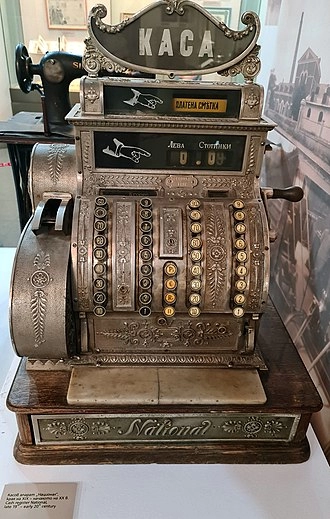
Entendiendo el evolución de la tecnología de las cajas registradoras comienza con sus orígenes a finales del siglo XIX. La primera caja registradora fue inventada en 1879 por James Ritty, un propietario de un salón de bebidas que quería resolver un problema común entre minoristas y negocios de servicios: el robo por parte de empleados y el manejo inexacto del efectivo. Antes de la caja registradora, había poca responsabilidad por las transacciones en efectivo, lo que a menudo conducía a pérdidas de ingresos.
Cómo mejoraron las cajas registradoras mecánicas la responsabilidad
La invención de Ritty fue simple pero revolucionaria. La caja registradora mecánica introdujo un sistema fiable para evitar el robo por parte de empleados y mejorar la responsabilidad financiera. Cuando se realizaba una venta, la máquina bloqueaba la caja y producía un sonido de campana audible, señalando que se había realizado una transacción. Este proceso disuadía a los empleados deshonestos de guardar dinero sin registrar una venta.
Características de operación mecánica
Las primeras cajas registradoras funcionaban completamente de manera mecánica. Utilizaban palancas manuales presionadas por el cajero para ingresar el monto de la transacción. Cada pulsación de tecla activaba engranajes internos conectados a un mecanismo de impresión que generaba recibos impresos. Estos registros físicos permitían a los propietarios verificar las ventas y seguir los ingresos diarios. La campana sonaba claramente para alertar tanto a empleados como a clientes de que la transacción había sido registrada.
Este diseño combinaba ingeniería mecánica sencilla con necesidades comerciales prácticas. No solo mejoró la confianza en las operaciones diarias, sino que también sentó las bases para futuras innovaciones en la tecnología minorista.
Para minoristas interesados en la historia más profunda detrás de las cajas registradoras y sus beneficios, consulta cómo se inventó la caja registradora y por qué importa.
La actualización desde estos primeros modelos mecánicos ha transformado la eficiencia minorista. Entender estas raíces ayuda a apreciar los sistemas modernos que continúan construyendo sobre la base establecida por la invención original de la caja registradora de Ritty.
Transición a las cajas registradoras electromecánicas a mediados del siglo XX
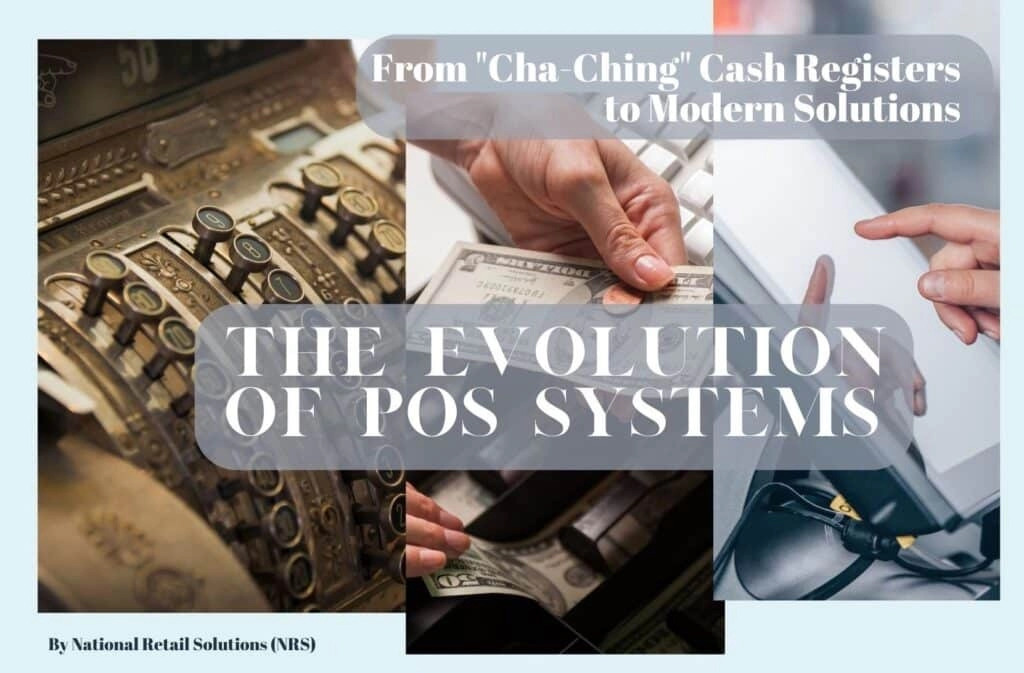
A medida que la tecnología de las cajas registradoras evolucionaba, a mediados del siglo XX se produjo un cambio significativo con la introducción de cajas registradoras electromecánicas. Estos dispositivos combinaban partes mecánicas tradicionales con componentes eléctricos, creando un sistema híbrido diseñado para hacer las transacciones más rápidas, precisas y fáciles de gestionar.
Cómo las cajas registradoras electromecánicas mejoraron las operaciones
La incorporación de motores eléctricos y interruptores ayudó a reducir el esfuerzo manual necesario para operar la caja y las teclas de la caja registradora. Esta innovación significó que los empleados podían registrar ventas más rápidamente, acelerando el proceso de pago durante las horas punta. Además, los componentes eléctricos apoyaron una mejor precisión al minimizar los errores humanos relacionados con tirones manuales de palancas y cálculos.
Aumento de popularidad y adopción en el mercado
Para los años 50 y 60, las cajas registradoras electromecánicas se volvieron comunes entre los minoristas que operan en España. Su facilidad de uso y eficiencia atrajeron a negocios de todos los tamaños, desde tiendas de comestibles locales hasta grandes almacenes. La capacidad de integrar campanas, recibos impresos y cajas registradoras más confiables ayudó a aumentar la responsabilidad y reducir el robo por parte de empleados, un factor crítico en su creciente adopción.
Beneficios clave que hicieron de las registradoras electromecánicas un estándar en el mercado
- Registro de transacciones más rápido en comparación con modelos puramente mecánicos
- Mayor precisión a través de pulsaciones de teclas asistidas por electricidad y cálculos
- Operación simplificada con menos pasos manuales requeridos por los empleados
- Mayor seguridad características como aperturas controladas de la caja registradora y alertas audibles
La transición a la tecnología electromecánica sentó las bases para el posterior desarrollo de registradoras electrónicas y, eventualmente, sistemas de punto de venta completamente digitales. Esta era consolidó la registradora como una herramienta esencial en el comercio minorista adaptada a las crecientes demandas de las empresas españolas.
Emergencia de las registradoras electrónicas en los años 70 y 80
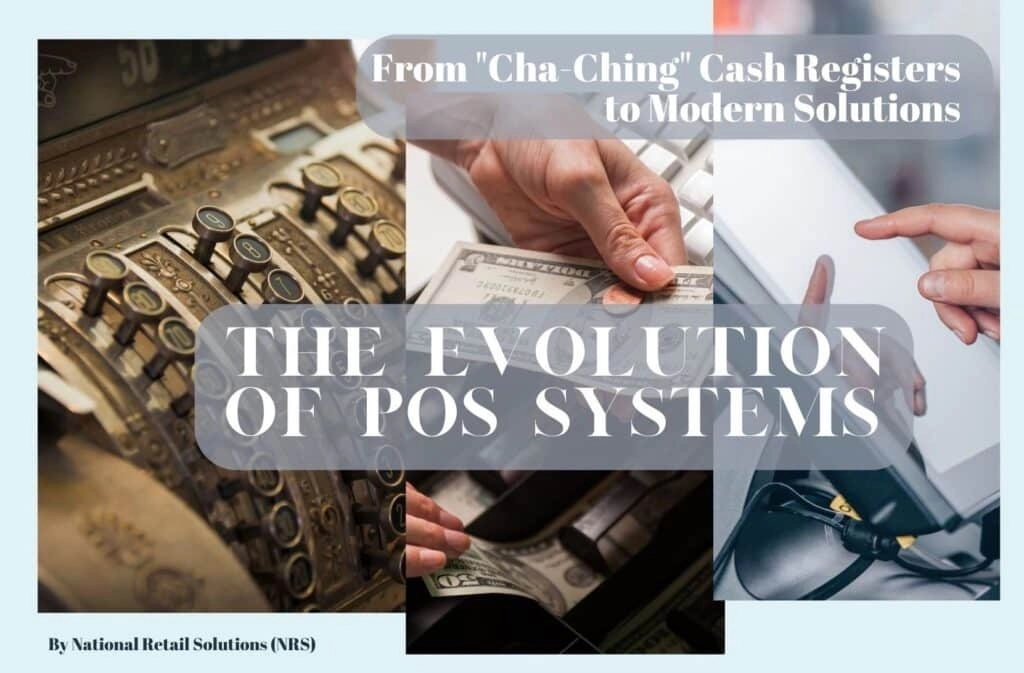
Los años 70 y 80 marcaron un gran avance en el evolución de la tecnología de las cajas registradoras con la llegada de Cajas Registradoras Electrónicas (ECR). Dejando atrás los diseños puramente mecánicos, las RCE introdujeron circuitos electrónicos y pantallas digitales, haciendo las transacciones más precisas y rápidas. Este cambio ayudó a los minoristas a manejar tareas de venta más complejas sin los retrasos y errores comunes en máquinas anteriores.
Características clave que cambiaron las operaciones minoristas
Las registradoras electrónicas aportaron varias mejoras importantes:
- Funciones programables: Los minoristas podían configurar los precios de los artículos, tasas de impuestos y descuentos directamente en el sistema, eliminando cálculos manuales.
- Informes básicos de ventas: Los ECR generaron informes que resumían los datos de ventas, ayudando a los propietarios de negocios a seguir fácilmente el rendimiento.
- Opciones de Transacción Mejoradas: Apoyaron múltiples tipos de pago y añadieron flexibilidad en el procesamiento de devoluciones, cambios o pagos parciales.
- Integración con Escáneres de Código de Barras: Esta innovación aceleró los pagos, reduciendo los tiempos de espera y los errores humanos.
- Impresoras de recibos: La impresión electrónica ofreció recibos más claros y detallados, mejorando tanto el registro como la satisfacción del cliente.
Estos avances hicieron que la caja registradora electrónica no fuera solo una herramienta para manejar efectivo, sino una parte vital de la gestión minorista. Las empresas en España adoptaron rápidamente las ECR debido a su capacidad para optimizar operaciones y aumentar la precisión, preparando el escenario para los sistemas de Punto de Venta más complejos que siguieron.
Para quienes estén interesados en conocimientos detallados sobre cómo evolucionaron los sistemas modernos a partir de estas primeras innovaciones, consulte Punto de Venta y Caja Registradora.
El auge de los sistemas de Punto de Venta y las computadoras en los años 90 y 2000
Para la década de 1990, la tecnología de las cajas registradoras dio un gran salto con la introducción de Sistemas de Punto de Venta (POS). A diferencia de las cajas registradoras tradicionales, estas eran soluciones completamente integradas basadas en computadoras diseñadas para manejar mucho más que solo registrar ventas. Este cambio marcó un punto de inflexión en la evolución de la tecnología de pagos minoristas y transformó la forma en que las empresas gestionaban sus operaciones diarias.
Lo que los sistemas POS aportan
Los sistemas POS combinaban hardware y software para ofrecer un paquete completo sin el cual las tiendas no podrían vivir. Proporcionaron:
- Datos de ventas detallados para rastrear exactamente qué se vendía y cuándo.
- Gestión de inventario que actualizaba los niveles de stock en tiempo real.
- Soporte para conectividad multi-tienda, permitiendo a las empresas con varias ubicaciones gestionar ventas y stock de manera centralizada.
- Tecnología impulsada por software que permitía la personalización según las necesidades específicas del negocio.
- Interfaces táctiles haciendo que los sistemas fueran intuitivos y más rápidos de usar en comparación con los antiguos registros mecánicos o electrónicos tempranos.
Estas funciones ayudaron a los minoristas a optimizar operaciones, reducir errores y mejorar la experiencia de pago del cliente.
Transformando las Operaciones del Negocio Minorista
La introducción de los sistemas POS tuvo un impacto global en el comercio minorista. Las empresas ahora podían confiar en análisis de datos para tomar decisiones más inteligentes—ya fuera reabastecer los productos más vendidos, gestionar promociones o monitorear el rendimiento de los empleados. Los sistemas también permitieron una integración fluida con otras tecnologías como escáneres de código de barras e impresoras de recibos, haciendo que los procesos de pago fueran más suaves y eficientes.
Para las empresas españolas, especialmente aquellas que manejan altos volúmenes de transacciones o varias tiendas, los sistemas POS se volvieron indispensables. Ofrecían una forma escalable y confiable de mantener las operaciones en marcha sin los dolores de cabeza del seguimiento manual o hardware obsoleto.
Beneficios clave para las empresas hoy en día
- Mayor precisión y velocidad en transacciones.
- Mejor control sobre el inventario y los datos de ventas.
- Gestión y responsabilidad de empleados más fáciles.
- Integración con tendencias emergentes en tecnología minorista, sentando las bases para futuras actualizaciones.
El auge de los sistemas de punto de venta (POS) basados en computadoras sentó las bases para las soluciones de POS en la nube y móviles de hoy en día, impulsando la innovación continua en la tecnología minorista y ayudando a las empresas a mantenerse al día con las expectativas cambiantes de los clientes.
Tecnología moderna de caja registradora, basada en la nube y POS móvil
En los años 2010 y en adelante, la computación en la nube y los dispositivos móviles han revolucionado la forma en que los minoristas gestionan las ventas y las interacciones con los clientes. A diferencia de las cajas registradoras tradicionales, los sistemas actuales funcionan con la nube, permitiendo a las empresas acceder a análisis en tiempo real y gestionar las operaciones de forma remota desde cualquier lugar. Este cambio ha hecho que la tecnología minorista sea más flexible, receptiva y basada en datos, lo cual es esencial para mantenerse competitivo en el mercado acelerado de España y en todos los países.
Características clave de los sistemas POS basados en la nube y móviles
- Análisis e informes en tiempo real: Rastrea ventas, inventario y comportamiento del cliente al instante, ayudándote a tomar decisiones más inteligentes sobre la marcha.
- Gestión remota: Gestiona actualizaciones, precios y permisos del personal desde cualquier lugar usando smartphones, tablets o laptops.
- Software personalizable: Adapta tu sistema para que se ajuste a las necesidades específicas de tu negocio, ya sea que dirijas una pequeña tienda local o varias tiendas.
- Soporte para pagos móviles: Acepta todos los métodos de pago modernos, incluyendo Apple Pay, Google Wallet y tarjetas sin contacto, justo en la caja o en movimiento.
Seguridad mejorada y cumplimiento
La seguridad es una prioridad para las empresas locales, y la tecnología moderna de caja registradora refleja eso. Los sistemas POS en la nube vienen con protocolos de cifrado fuertes y cumplen con estrictas cumplimiento PCI estándares, que protegen los datos de las tarjetas de los clientes y generan confianza.
Innovaciones en hardware con sistemas SDLPOS
El hardware también ha evolucionado junto con los avances en software. SDLPOS ofrece hardware de caja registradora duradero y fácil de usar, diseñado para el entorno minorista actual, incluyendo:
- Terminales móviles compactos perfectos para tiendas temporales y camiones de comida
- Registros táctiles elegantes con velocidades de procesamiento rápidas
- Impresoras de recibos confiables integradas con sistemas en la nube
Estas soluciones de hardware están diseñadas para complementar el software en la nube y móvil, proporcionando una experiencia de compra fluida y ayudando a las empresas a mantenerse al día con las tendencias cambiantes del comercio minorista.
Los sistemas POS basados en la nube y móviles, impulsados por empresas como SDLPOS, están cambiando el panorama tecnológico del comercio minorista. Ofrecen mayor flexibilidad, análisis de datos detallados, mayor seguridad y el soporte de hardware que las empresas en España necesitan para prosperar en el comercio minorista moderno.
Tendencias futuras en tecnología de cajas registradoras e innovaciones por SDLPOS
La evolución de la tecnología de cajas registradoras está lejos de terminar. A medida que crecen y cambian las necesidades del comercio minorista, tecnologías emergentes están moldeando el futuro de cómo las empresas manejan las transacciones y la interacción con los clientes.
Integración de Inteligencia Artificial e IoT
La integración de IA se está convirtiendo en un cambio radical para las cajas registradoras y los sistemas POS. Con IA, los sistemas pueden analizar patrones de ventas, predecir necesidades de inventario e incluso ofrecer promociones personalizadas en tiempo real. Esto significa decisiones más inteligentes y menos conjeturas para los propietarios de negocios.
Al mismo tiempo, el Internet de las Cosas (IoT) está haciendo que las cajas registradoras estén más conectadas que nunca. Los sensores y dispositivos inteligentes permiten una comunicación fluida entre las cajas registradoras, los sistemas de inventario e incluso las aplicaciones de los clientes. Esta conectividad mejora la eficiencia y ayuda a crear experiencias de compra más suaves.
Pagos biométricos para seguridad y velocidad
Los pagos biométricos están ganando terreno como una forma segura y rápida de procesar transacciones. Usando huellas dactilares, reconocimiento facial o escaneo de iris, los sistemas biométricos reducen los riesgos de fraude y aceleran las filas de pago. Para las empresas, esto significa mayor seguridad en pagos y confianza del cliente.
Análisis predictivo y conocimientos sobre el comportamiento del cliente
Las cajas registradoras modernas están convirtiéndose en algo más que simples herramientas de transacción. Al utilizar análisis predictivos, los sistemas POS pueden analizar los hábitos de compra de los clientes, predecir tendencias y adaptar los esfuerzos de marketing. Este nivel de conocimiento ayuda a los minoristas locales a entender mejor a sus clientes y mejorar las estrategias de ventas.
Cómo SDLPOS está liderando la innovación para satisfacer las demandas futuras
SDLPOS está en la vanguardia de estos avances, ofreciendo soluciones de hardware diseñadas para integrar capacidades de IA, IoT y biométricas de manera fluida. Sus sistemas soportan:
- Gestión en la nube para acceso a datos en tiempo real
- Personalización flexible adaptado a diferentes tamaños y modelos de negocio
- Protocolos de seguridad avanzados incluyendo cifrado y cumplimiento con PCI
- Rutas de actualización fáciles que se mantienen al día con las nuevas tendencias tecnológicas
Al centrarse en hardware confiable y adaptable, SDLPOS asegura que las empresas españolas se mantengan competitivas a medida que evoluciona la tecnología de las cajas registradoras.
El futuro de las cajas registradoras es inteligente, conectado y seguro. Con estas innovaciones, las empresas no solo se mantienen al día, sino que marcan el ritmo en las tendencias tecnológicas del comercio minorista.
Por qué es importante actualizar la tecnología de tu caja registradora para tu negocio
Upgrading your cash register technology is more than just a routine update — it’s a strategic move that can drive eficiencia, precisión y mejores experiencias para el cliente. En el entorno minorista de ritmo acelerado de hoy, confiar en sistemas obsoletos puede ralentizar las transacciones, aumentar los errores y dejar a tu negocio vulnerable al robo. Aquí tienes por qué invertir en sistemas modernos de caja registradora y Punto de Venta (POS) es esencial para tu negocio minorista o de restauración.
Incrementa la eficiencia y la precisión
Las cajas registradoras modernas y los sistemas POS están diseñados para acelerar los tiempos de pago y reducir errores humanos. Con cálculos automatizados, escaneo de códigos de barras integrado y procesamiento de pagos sin interrupciones, su personal puede cerrar ventas más rápido sin tropezar con entradas manuales. Esto no solo mejora el flujo durante las horas punta, sino que también ayuda a rastrear cada transacción con precisión, minimizando discrepancias en la caja diaria y los informes de ventas.
Mejora la experiencia del cliente
A proceso de pago rápido y fluido deja una impresión duradera en los clientes. Las cajas registradoras modernas vienen con funciones como pantallas táctiles, múltiples opciones de pago incluyendo pagos móviles y recibos impresos o digitales detallados. Esto significa que sus clientes evitan largos tiempos de espera y pueden pagar usando su método preferido. Cuando los clientes ven que un negocio se mantiene al día con las tendencias tecnológicas del comercio minorista, genera confianza y lealtad.
Reducir errores y robos
Las cajas registradoras manuales y los sistemas antiguos tienen un mayor riesgo de errores y robo por parte de empleados. La nueva tecnología de cajas registradoras mejora la responsabilidad mediante registros digitales, credenciales de inicio de sesión específicas para cada usuario y auditorías que monitorean las transacciones de cerca. Esta transparencia disuade el fraude, ayuda a identificar problemas rápidamente y, en última instancia, protege sus ganancias.
Adaptarse a nuevos métodos de pago y tendencias del comercio minorista
Los consumidores de hoy esperan pagar con tarjeta de crédito, débito, billeteras móviles o incluso tarjetas contactless. Las cajas registradoras modernas equipadas con software POS avanzado soportan fácilmente estos métodos de pago diversos, asegurando que no pierda ventas por opciones limitadas. Además, los sistemas basados en la nube permiten gestión remota y actualizaciones en tiempo real, manteniendo su negocio alineado con la evolución continua de tecnología de pagos minoristas y las preferencias de los clientes.
Actualizar su caja registradora no solo se trata de hardware, sino de preparar su negocio para operaciones sin problemas y clientes satisfechos. Para las empresas en España, especialmente minoristas y restaurantes pequeños o medianos, elegir el sistema adecuado adaptado a sus necesidades es fundamental. Explore soluciones de hardware personalizadas y los beneficios de los sistemas modernos en soluciones de caja registradora SDLPOS.
Elegir el hardware adecuado para su caja registradora
Elegir el hardware de caja registradora es muy importante. Puede hacer que su punto de venta (POS) funcione sin problemas y que su negocio tenga un buen rendimiento. Cuando busque hardware, tenga en cuenta estos puntos clave para obtener la mejor opción para su configuración.
Considere el tamaño de su negocio y el volumen de transacciones
Tu tamaño del negocio que afectan directamente el tipo de hardware que necesita. Una pequeña boutique o cafetería local con menor volumen de transacciones no tendrá las mismas necesidades que un supermercado concurrido o una cadena de tiendas.
- Pequeñas empresas podría funcionar bien con dispositivos POS compactos y móviles.
- Empresas medianas a grandes necesitan hardware más robusto que pueda manejar grandes volúmenes de transacciones sin ralentizarse.
- Además, piensa en las horas punta. ¿Resistirá tu sistema en horas pico o picos estacionales?
Asegura la compatibilidad con software y sistemas
Tu hardware tiene que funcionar bien con tu software actual y cualquier aplicación de terceros que utilices para inventario, contabilidad o pagos.
- Confirma que la caja registradora soporta tu software POS y actualizaciones.
- Busca hardware que se integre bien con procesadores de pago, escáneres de código de barras y impresoras de tickets.
- Mantener la compatibilidad significa menos dolores de cabeza y operaciones diarias más fluidas.
Prioriza la durabilidad del hardware y la facilidad de uso
La durabilidad importa, especialmente en lugares de venta concurridos donde el equipo puede sufrir golpes.
- Elige hardware fabricado con materiales resistentes diseñados para uso constante.
- Las interfaces fáciles de usar aceleran la formación del personal y reducen errores.
- Hardware confiable con solidez soporte al cliente es un salvavidas cuando las cosas salen mal.
Por qué las soluciones de hardware SDLPOS funcionan para ti
SDLPOS entiende los negocios en España y ofrece hardware de caja registradora adaptado a las necesidades del mundo real.
- Proporcionan soluciones personalizadas adaptado al tamaño y sector de tu negocio.
- Su equipo garantiza compatibilidad perfecta con el software, por lo que la integración es sencilla.
- Durabilidad, facilidad de uso y excelente atención al cliente vienen por defecto.
- SDLPOS te mantiene preparado para nuevos tipos de pago y tendencias minoristas, asegurando que tu negocio se mantenga a la vanguardia.
Al enfocarte en estos puntos—tamaño del negocio, compatibilidad del software, durabilidad y socios de confianza como SDLPOS—configuras tu negocio con el hardware de caja registradora adecuado para aumentar la eficiencia y atender mejor a tus clientes.