






The History and Evolution of Cash Registers in Retail and POS Systems

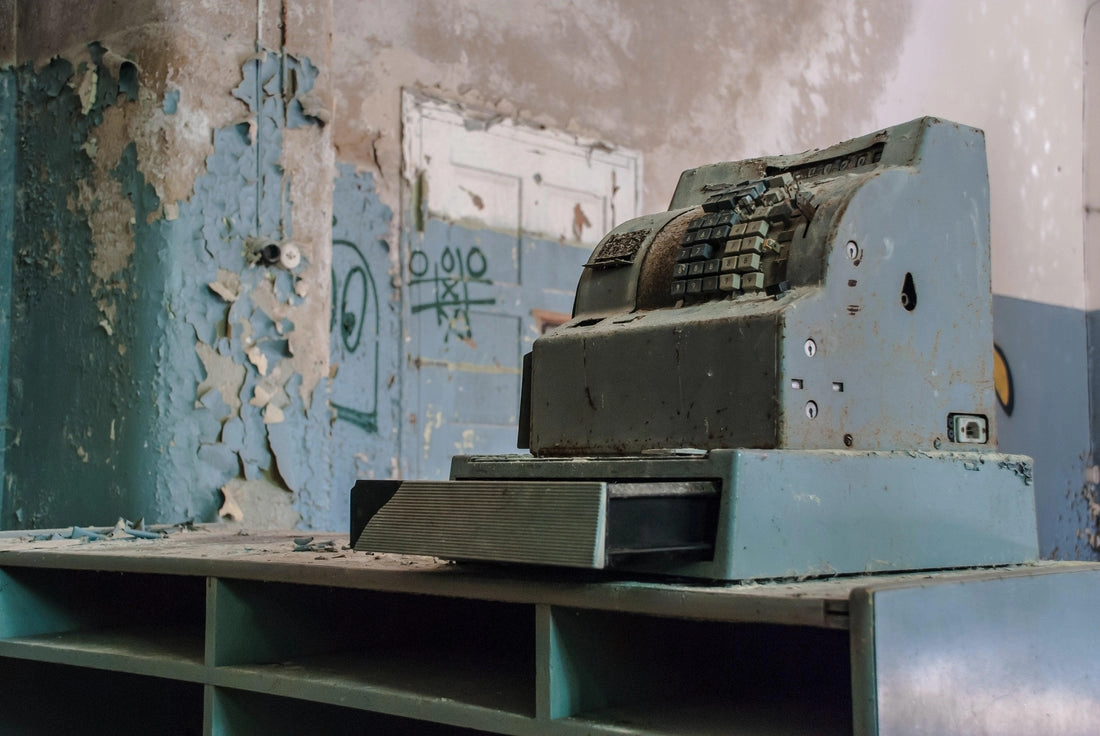
¿Tienes curiosidad sobre cómo las cajas registradoras en el comercio minorista se transformaron de simples dispositivos mecánicos en los sistemas potentes y de alta tecnología en los que confiamos hoy en día? Entender la historia y evolución de las cajas registradoras no es solo un viaje por la memoria, sino que es clave para apreciar cómo las soluciones minoristas modernas mejoran la precisión, la velocidad y la experiencia del cliente. Ya seas un profesional del comercio minorista, un entusiasta de la tecnología o simplemente estés intrigado por la innovación en el comercio minorista, esta publicación te guiará a través del fascinante recorrido de los avances en la tecnología de las cajas registradoras—y mostrará cómo empresas como el hardware y las soluciones de SDLPOS están dando forma al futuro con hardware de última generación. ¡Vamos a sumergirnos!
Los orígenes de las cajas registradoras y la era mecánica

La historia de las cajas registradoras en el comercio minorista comienza en 1879 con James Ritty, un propietario de un bar en Ohio. Frustrado por el robo de empleados y los registros de ventas inexactos, Ritty inventó la primera caja registradora mecánica, a la que llamó el “Cajero incorruptible”. Su invento tenía como objetivo evitar el robo por parte de los empleados y mejorar la precisión de las transacciones, abordando dos preocupaciones principales en las operaciones minoristas de la época.
Características de diseño mecánico temprano
La caja registradora de Ritty era un dispositivo simple pero revolucionario. Presentaba:
- Un mecanismo operado por palanca que registraba los montos de las ventas en una cinta impresa.
- A cajón que se abría solo cuando se ingresaban las ventas, obligando a los empleados a registrar las transacciones correctamente.
- Indicadores visibles que mostraban la cantidad registrada, ayudando a los propietarios a monitorear cada venta.
Limitaciones de las primeras cajas registradoras mecánicas
A pesar de sus innovaciones, la primera caja registradora tenía claras limitaciones:
- Solo podía registrar totales de ventas básicos, sin funciones avanzadas.
- La máquina era totalmente mecánica, confiando en entrada manual y siendo propensa a desgaste y fallos mecánicos.
- Tomaba tiempo para operar, ralentizando transacciones minoristas concurridas.
A pesar de ello, esta caja registradora mecánica marcó un hito clave en la historia de las cajas registradoras minoristas al introducir una forma de asegurar las transacciones y mantener un mejor control sobre las ventas. Con el tiempo, este marco básico evolucionaría, allanando el camino para dispositivos más sofisticados que mejoraron en gran medida el procesamiento de transacciones minoristas y la fiabilidad.
Para una mirada más profunda sobre cómo han evolucionado las cajas registradoras desde la invención de Ritty, incluyendo soluciones modernas, explora Los sistemas de caja registradora SDLPOS para ver cómo la tecnología actual se basa en este legado.
Transición a las cajas registradoras electromecánicas en el comercio minorista
A medida que el comercio minorista se volvía más complejo a principios del siglo XX, las cajas registradoras evolucionaron de dispositivos puramente mecánicos a cajas registradoras electromecánicas, marcando un paso importante en la historia de las cajas registradoras minoristas. Estas máquinas híbridas combinaban piezas mecánicas tradicionales con componentes eléctricos, mejorando su rendimiento en varias áreas clave.
Introducción de componentes eléctricos
La incorporación de motores eléctricos y interruptores permitió que las cajas registradoras funcionaran de manera más rápida y suave que sus predecesoras completamente mecánicas. En lugar de depender únicamente de palancas manuales y engranajes, las registradoras electromecánicas utilizaban energía eléctrica para:
- Acelerar la apertura y cierre de las cajas registradoras
- Automatizar la impresión de recibos o registros de transacciones
- Mejorar la precisión en los cálculos totales
Este cambio significó que las tiendas pudieran gestionar más transacciones con menos retraso y menos errores.
Mejoras en velocidad y fiabilidad
Con asistencia eléctrica, el procesamiento de transacciones se volvió notablemente más rápido. Los empleados no tenían que ejercer tanto esfuerzo físico ni dedicar tiempo adicional a girar o reiniciar la máquina después de cada venta. Este cambio condujo a:
- Reducción en los tiempos de espera de los clientes
- Menos atascos o averías mecánicas
- Mayor consistencia en el registro de ventas
Los minoristas comenzaron a confiar en estas máquinas para mantener registros de transacciones más limpios, impactando directamente en la eficiencia operativa.
Impacto en las operaciones minoristas y los flujos de trabajo de los empleados
La caja registradora electromecánica no solo aceleró los procesos — transformó las rutinas diarias del comercio minorista:
- Los flujos de trabajo de los empleados se volvieron más fluidos: Menos tiempo dedicado a operaciones manuales permitió que el personal interactuara más con los clientes.
- La prevención de pérdidas mejoró a través de un registro más preciso y resistente a manipulaciones de las ventas.
- Los propietarios de tiendas obtuvieron una mejor transparencia en las transacciones ayudando a controlar el encogimiento y gestionar los flujos de efectivo de manera más efectiva.
Esta era sentó las bases para el posterior salto a las cajas registradoras completamente electrónicas y la evolución más amplia de la tecnología de transacciones minoristas.
Para una mirada más profunda sobre cómo avanzaron las cajas registradoras, consulta nuestra guía sobre sistemas de caja registradora y POS, que describe toda la historia y las opciones disponibles para los minoristas modernos.
La Revolución Digital de las Cajas Registradoras Electrónicas
En los años 70 y 80, las cajas registradoras electrónicas (ECRs) transformaron el panorama minorista. Estas máquinas marcaron un gran salto desde los antiguos sistemas mecánicos al incorporar tecnología digital que mejoró fundamentalmente la forma en que se procesaban las transacciones.
Características clave habilitadas por la digitalización
Las cajas registradoras electrónicas aportaron varios avances importantes que remodelaron las operaciones minoristas:
- Cálculos automatizados: Las ECRs podían sumar instantáneamente los precios, calcular los impuestos y proporcionar el cambio correcto, reduciendo errores humanos y acelerando los tiempos de pago.
- Impresión de recibos: En lugar de impresiones manuscritas o mecánicas, las ECRs ofrecían recibos claros y detallados para los clientes, mejorando la confianza y el registro.
- Almacenamiento de datos: Estos registros almacenaban datos de ventas electrónicamente, lo que ayudaba a las empresas a rastrear las transacciones diarias con facilidad.
- Mejoras en precisión y velocidad: La digitalización redujo las entradas manuales y los errores, resultando en procesos de caja más eficientes y confiables.
Impacto en la eficiencia minorista y la experiencia del cliente
La revolución digital en las cajas registradoras hizo más que simplemente aumentar la velocidad del procesamiento de ventas. Ayudó a los minoristas a:
- Optimizar los flujos de trabajo de los empleados reduciendo la necesidad de entradas manuales complejas.
- Mejorar la satisfacción del cliente a través de cajas más rápidas y recibos precisos.
- Simplificar el control de inventario proporcionando mejores datos de seguimiento de ventas, lo que sentó las bases para los sistemas de punto de venta (POS) posteriores.
Este período marcó un cambio fundamental de las cajas registradoras mecánicas a sistemas electrónicos más inteligentes y confiables—estableciendo las bases para las soluciones minoristas integradas y conectadas en la nube de hoy en día. Si tienes curiosidad sobre cómo seleccionar el mejor hardware para las necesidades de tu tienda, consulta nuestra guía detallada sobre cómo elegir hardware de caja registradora.
Emergencia de la integración y versatilidad de los sistemas POS en la historia de las cajas registradoras minoristas
A medida que el comercio minorista evolucionaba, también lo hacían las herramientas que utilizan las empresas. Las cajas registradoras tradicionales cumplían su función pero carecían de flexibilidad. Ahí fue donde Sistemas de Punto de Venta (POS) entró en juego, marcando un gran avance en la evolución de la tecnología de cajas registradoras minoristas.
Qué hace que los sistemas POS sean diferentes de las cajas registradoras tradicionales
A diferencia de las antiguas cajas registradoras, los sistemas POS son más que simples máquinas de transacciones. Ellos combinan hardware y software para optimizar múltiples operaciones comerciales en un solo lugar. Esto es lo que distingue a los sistemas POS:
- Gestión de inventario: Controla los niveles de stock en tiempo real para evitar quedarse sin existencias o tener exceso de inventario.
- Gestión de Relaciones con Clientes (CRM): Recopila y analiza datos de clientes para personalizar el servicio y aumentar la lealtad.
- Análisis de Ventas: Genera informes rápidamente sobre las tendencias de ventas, ayudando a los minoristas a tomar decisiones más inteligentes.
La integración impulsa la eficiencia y el control en el comercio minorista
Con la integración del TPV, todo está conectado. Esto significa:
- Transacciones más rápidas: Los datos de ventas se sincronizan al instante, acelerando las colas en caja.
- Contabilidad simplificada: Las transacciones actualizan automáticamente los registros financieros.
- Mejor supervisión de empleados: Controla quién realiza las ventas y detecta inconsistencias temprano.
Estas funciones ayudan a que los negocios minoristas funcionen sin problemas, reduzcan errores y disminuyan el trabajo manual.
El papel de las interfaces táctiles y la conectividad en la nube
Los sistemas TPV modernos suelen contar con interfaces táctiles, lo que los hace intuitivos y rápidos de usar para los empleados. Además, la conectividad en la nube significa:
- Acceso desde cualquier lugar: Los propietarios pueden consultar el rendimiento de su tienda en cualquier momento.
- Actualizaciones automáticas: El software se mantiene actualizado sin instalaciones manuales.
- Gestión segura de datos: Las copias de seguridad en la nube protegen contra la pérdida de datos.
Por qué los minoristas en España se benefician de los avances en sistemas POS
Para los minoristas en España, los sistemas POS ofrecen:
- Escalabilidad: Perfecto para pequeñas tiendas locales y grandes cadenas por igual.
- Cumplimiento: Ayuda a cumplir con los estándares de informes fiscales y seguridad de datos en España.
- Soporte para ventas omnicanal: Gestiona de manera fluida las ventas en tienda y en línea.
En resumen, los sistemas POS han transformado el panorama de las cajas registradoras minoristas ofreciendo versatilidad y una integración profunda que las cajas registradoras tradicionales nunca podrían. Este cambio es clave para las empresas que buscan mejorar la eficiencia, la experiencia del cliente y la toma de decisiones basada en datos.
Cajas registradoras modernas y soluciones POS de SDLPOS

En el mundo minorista acelerado de hoy, SDLPOS ofrece cajas registradoras modernas y soluciones POS diseñadas para satisfacer las necesidades específicas de los minoristas en España. Su línea de hardware combina fiabilidad con tecnología de vanguardia, facilitando la gestión de ventas, inventario y datos de clientes en un solo lugar.
Hardware adaptado a las necesidades minoristas actuales
SDLPOS ofrece una gama de opciones de hardware que atienden a diferentes tipos de negocios minoristas, desde pequeñas boutiques hasta grandes tiendas. Estos sistemas están diseñados para manejar:
- Procesamiento rápido de transacciones para mantener las filas en movimiento
- Interfaces fáciles de usar que requieren una formación mínima
- Diseños robustos y duraderos adecuados para un uso intensivo diario
- Compatibilidad con múltiples métodos de pago, incluyendo monederos móviles y opciones sin contacto
Esta flexibilidad garantiza que los minoristas puedan elegir el equipo POS adecuado que se adapte a su operación sin pagar por funciones innecesarias.
Soporte para comercio minorista omnicanal y sincronización de datos en tiempo real
Uno de los mayores desafíos en el comercio minorista actual es mantener sincronizados las ventas, inventario y datos de clientes en todas las plataformas, ya sea que los clientes compren en persona, en línea o a través de aplicaciones móviles. Las cajas registradoras SDLPOS destacan por ofrecer:
- Sincronización de datos en tiempo real, por lo que las ventas realizadas en tienda o en línea actualizan el inventario de inmediato
- Integración perfecta con canales de comercio electrónico y otras plataformas de venta
- Soporte para gestionar promociones y descuentos en todos los canales automáticamente
Esto ayuda a los minoristas a evitar ventas excesivas, gestionar el stock de manera más eficiente y ofrecer una experiencia consistente al cliente, sin importar dónde se realice la venta.
Mejoras en seguridad y funciones de cumplimiento
Además de operaciones fluidas, la seguridad es una prioridad máxima con los sistemas SDLPOS. Sus cajas registradoras modernas incluyen:
- Cifrado de extremo a extremo de los datos de pago para proteger la información del cliente
- Cumplimiento con las últimas los estándares PCI DSS y otras regulaciones relevantes
- Controles de acceso de usuario y registros de actividad para monitorear las transacciones de los empleados y prevenir robos
- Soporte para autenticación biométrica segura para restringir el acceso no autorizado
Estas funciones brindan a los minoristas tranquilidad de que los datos de sus clientes están seguros y que su negocio cumple con los requisitos legales.
Ya sea que esté actualizando un sistema antiguo o implementando uno nuevo, SDLPOS ofrece hardware confiable con funciones de software inteligentes que se adaptan al panorama cambiante del comercio minorista. Para una mirada más cercana a su equipo de caja registradora y soluciones diseñadas para diferentes configuraciones minoristas, explore sistemas de caja registradora mayoristas SDLPOS o eche un vistazo a sus opciones de sistemas POS minoristas.
El futuro de las cajas registradoras en la innovación y tendencias del comercio minorista
El futuro de tecnología de cajas registradoras minoristas se está convirtiendo en algo más inteligente, rápido y seguro. A medida que evolucionan las expectativas de los clientes y las empresas buscan procesos de transacción más fluidos, las nuevas tendencias están transformando nuestra forma de pensar sobre sistemas POS y hardware de caja registradora.
Tendencias clave que impactan en las cajas registradoras minoristas
Inteligencia Artificial (IA): La IA está comenzando a jugar un papel importante en la mejora de la eficiencia minorista. Desde recomendaciones personalizadas para los clientes hasta alertas automatizadas de inventario, las cajas registradoras inteligentes utilizarán IA para mejorar las ventas y el servicio al cliente.
Pagos Móviles: Más clientes prefieren pagar con monederos digitales y opciones sin contacto. Las futuras cajas registradoras se integrarán perfectamente con Apple Pay, Google Pay y otros métodos de pago NFC, permitiendo transacciones más rápidas y reduciendo la necesidad de efectivo o tarjetas.
Autenticación Biométrica: La seguridad es una preocupación creciente. Las opciones biométricas como huellas dactilares o reconocimiento facial garantizarán un acceso más seguro para los empleados y aprobaciones de transacciones seguras, reduciendo fraudes y usos no autorizados.
Cómo las tecnologías emergentes darán forma al hardware POS
La tecnología emergente influirá tanto en el diseño como en la función de las futuras terminales POS modernos:
- Dispositivos más delgados y duraderos diseñados para entornos de alto tráfico
- Conectividad en la nube mejorada que permite la sincronización de datos en tiempo real en múltiples ubicaciones
- Aumento de la automatización mediante análisis impulsados por IA integrados en el hardware
- Mejoras en las funciones de ciberseguridad que cumplen con los últimos estándares de seguridad minorista
Cómo SDLPOS se está preparando para las futuras necesidades del comercio minorista
At el hardware y las soluciones de SDLPOS, reconocemos estas demandas en evolución y estamos actualizando activamente nuestra gama de productos para ayudar a los minoristas a mantenerse a la vanguardia:
- Ofreciendo versátiles, cajas registradoras en la nube que soportan ventas omnicanal e integran sin problemas con sistemas de inventario y CRM
- Incorporar Funciones impulsadas por IA para apoyar conocimientos personalizados del cliente y una gestión de inventario más inteligente
- Proporcionando opciones de acceso y pago seguras, habilitadas con biometría, para proteger los datos de clientes y empleados
- Diseñando hardware optimizado para pagos móviles y servicio rápido para satisfacer el ritmo del comercio minorista moderno
Al centrarse en la adaptabilidad y la seguridad, SDLPOS garantiza que los minoristas en España puedan adoptar con confianza estas tendencias futuras. Ya sea gestionando una tienda local o una cadena de múltiples puntos de venta, nuestras soluciones están diseñadas para escalar y mantener a las empresas competitivas en un entorno minorista en rápida evolución.
el futuro de las cajas registradoras en el comercio minorista consiste en tecnología más inteligente que ofrece velocidad, seguridad e integración perfecta. SDLPOS se compromete a liderar esta evolución con hardware avanzado, confiable y software innovador diseñado para los desafíos minoristas de hoy y de mañana.