






Principales tendencias en hardware POS en 2025 para soluciones minoristas más inteligentes

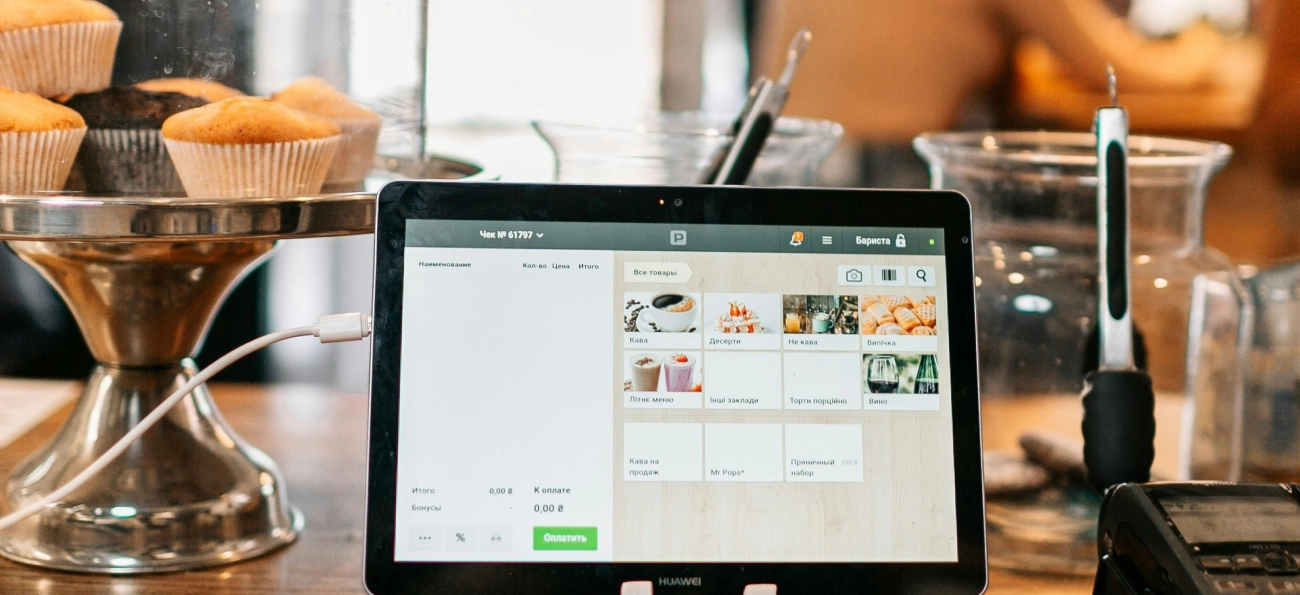
¿Estás listo para mantenerte a la vanguardia en el mundo en constante cambio de la tecnología minorista? Tendencias en hardware POS para 2025 están destinadas a transformar la forma en que operan las empresas, desde pagos más rápidos hasta una gestión de inventario más inteligente. Ya sea que dirijas una pequeña boutique o una tienda con varias ubicaciones, entender estos nuevos avances te ayudará a aumentar la eficiencia, mejorar la experiencia del cliente y preparar tus operaciones para el futuro.
En esta publicación, obtendrás una visión clara y práctica de las tendencias más importantes en hardware POS que llegarán el próximo año — incluyendo terminales impulsadas por IA, innovaciones en pagos sin contacto y dispositivos ecológicos. Además, mostraremos cómo SDLPOS ofrece las soluciones de vanguardia que los minoristas necesitan para tener éxito en 2025.
Vamos a sumergirnos en las principales innovaciones que están dando forma a la próxima generación de hardware POS.
La evolución del hardware POS Una rápida reseña
El mundo de hardware POS ha experimentado una transformación notable en los últimos años, especialmente desde 2018 hasta 2024. Lo que solía ser cajas registradoras simples y voluminosas, ha evolucionado hacia un ecosistema inteligente y conectado diseñado para aumentar la eficiencia, mejorar la experiencia del cliente y ofrecer más flexibilidad a los minoristas.
En 2018, la mayoría de las tiendas minoristas todavía dependían en gran medida de cajas registradoras tradicionales y terminales fijos. Estas máquinas manejaban transacciones básicas, pero carecían de capacidades avanzadas como análisis integrados o opciones de pago móvil. A medida que crecía la demanda de un servicio más rápido y personalizado, la industria presenció un cambio hacia terminales POS inteligentes equipados con pantallas táctiles, conectividad en la nube y soporte para diversos tipos de pago.
Entre 2018 y 2024, dispositivos POS móviles aumentó dramáticamente en popularidad. Las unidades portátiles pequeñas y los sistemas basados en tablet permitieron a los equipos de ventas procesar pagos en cualquier lugar de la tienda—ideal para tiendas temporales, eventos al aire libre y restaurantes concurridos. Este cambio no solo mejoró la experiencia en el punto de venta, sino que también empoderó a los minoristas para expandirse más allá de los mostradores fijos.
Durante este período, el software POS basado en la nube junto con hardware se convirtió en la norma. La sincronización en tiempo real en múltiples dispositivos otorgó a los propietarios de negocios un control sin precedentes sobre el inventario, el seguimiento de ventas y los datos de los clientes desde cualquier lugar. Estos sistemas sentaron las bases para operaciones multitienda y gestión remota.
En general, la evolución de máquinas rígidas y de función única a sistemas POS flexibles, inteligentes y conectados ha preparado el escenario para las tendencias que vemos surgir en 2025. A medida que los minoristas continúan demandando soluciones más rápidas, inteligentes y seguras, el hardware POS seguirá avanzando en sofisticación y usabilidad.
Las principales conclusiones de 2018 a 2024 incluyen
- La transición de cajas registradoras tradicionales a terminales inteligentes con pantalla táctil
- El aumento del uso de dispositivos móviles de punto de venta para mayor flexibilidad y rapidez
- La adopción de hardware POS basado en la nube para datos en tiempo real y gestión remota
- La creciente integración de diversas opciones de pago, incluyendo billeteras móviles y tecnología NFC
Esta evolución es esencial de entender porque moldea lo que los minoristas esperarán de la tecnología POS futura mientras miramos hacia 2025 y más allá.
Principales tendencias en hardware POS que se esperan en 2025: integración de IA y aprendizaje automático

En 2025, la inteligencia artificial y el aprendizaje automático están preparadas para transformar el hardware POS como nunca antes. Los terminales inteligentes no solo procesarán ventas; analizarán activamente datos en el momento del pago. Aquí cómo destaca esta tendencia:
Análisis avanzado integrado en los terminales POS que dará a las empresas insights instantáneos sin necesidad de un sistema externo. Los propietarios de tiendas podrán rastrear qué productos se venden mejor, detectar inventario con poca rotación y entender las preferencias de los clientes en el acto.
Gestión predictiva de ventas e inventario significa que tu sistema puede pronosticar la demanda basándose en tendencias pasadas y factores como la estacionalidad o eventos locales. Esto ayuda a evitar agotamientos o exceso de stock, reduciendo costos y aumentando ventas.
El hardware POS impulsado por IA permite a los minoristas personalizar ofertas y promociones de inmediato, mejorando la participación y fidelidad del cliente.
Para negocios locales y pequeños minoristas, estas tecnologías ofrecen ventajas de big data sin la complejidad o coste de herramientas separadas. La tecnología POS futura que combina procesamiento de ventas con capacidades de IA se está convirtiendo en una parte esencial para mantenerse competitivo en el panorama minorista actual. Espera que los sistemas POS con análisis avanzados se conviertan en estándar en 2025, ayudándote a tomar decisiones más inteligentes y rápidas desde el mostrador de pago.
Expansión de pagos sin contacto y tecnología NFC en hardware POS 2025
Una de las mayores tendencias que están dando forma del hardware POS para 2025 es el continuo aumento de pagos sin contacto y tecnología NFC. Cada vez más empresas adoptan lectores de tarjetas habilitados para NFC y aceptan monederos móviles como Apple Pay, Google Pay y Samsung Pay. Este cambio no solo se trata de conveniencia—está cambiando la forma en que los minoristas operan en múltiples niveles.
Transacciones más rápidas mejoran la experiencia del cliente
Con terminales sin contacto, los tiempos de pago se reducen significativamente. Los clientes simplemente pueden tocar su tarjeta o teléfono, evitando la necesidad de ingresar PIN o manejar efectivo. Esta rapidez mejora el flujo de clientes, especialmente en horas punta, haciendo que el pago sea más rápido y las filas más cortas.
La higiene y la seguridad siguen siendo esenciales
Tras la pandemia, los pagos sin contacto adquirieron un nuevo significado. Minimizar el contacto reduce el riesgo de propagación de gérmenes, lo cual sigue siendo una prioridad tanto para clientes como para el personal. La tecnología sin contacto ayuda a mantener la caja más segura y limpia.
Admite métodos de pago en múltiples monedas y pagos móviles
Los minoristas en España, especialmente aquellos cercanos a centros turísticos o urbanos, se benefician de sistemas POS que manejan transacciones en múltiples monedas de manera fluida. La mayoría de los lectores NFC ahora pueden procesar una amplia variedad de opciones de monederos digitales, atendiendo a compradores expertos en tecnología que prefieren monederos digitales en lugar de tarjetas físicas.
Beneficios clave del hardware POS NFC sin contacto
- Tiempos de pago reducidos para una mejor satisfacción del cliente
- Mejor higiene con contacto físico mínimo
- Opciones de pago más amplias incluyendo monederos móviles y múltiples monedas
- Potencial de ventas incrementado al atender a las preferencias de pago en evolución
Para minoristas locales y pequeñas empresas, invertir en terminales de pago sin contacto se está convirtiendo menos en una opción y más en una necesidad. Mantiene su negocio competitivo, acelera las transacciones y cumple con las expectativas de los clientes para una caja rápida y limpia.
Sistemas de hardware POS en la nube en 2025
Uno de los mayores Tendencias en hardware POS en 2025 es el auge de sistemas POS basados en la nube con sincronización en tiempo real del hardware. A diferencia de las configuraciones tradicionales que dependen en gran medida de servidores locales o terminales independientes, estos sistemas modernos conectan sus dispositivos a través de la nube, asegurando que los datos se actualicen instantáneamente en todos los puntos de venta.
Sincronización de datos en tiempo real en dispositivos y ubicaciones
Con hardware POS sincronizado en la nube, cada transacción, actualización de inventario y interacción con el cliente se registra y comparte en su negocio, ya sea en una ubicación o en varias tiendas. Esto significa que los datos de ventas de un dispositivo POS móvil, un terminal de mostrador o incluso una venta en línea se sincronizan sin problemas en tiempo real. No hay que esperar cargas por lotes ni reconciliaciones manuales.
Las empresas que operan varias tiendas o con terminales POS remotos notarán varias ventajas clave:
- Gestión de inventario precisa: Los niveles de stock se ajustan instantáneamente en todas las ubicaciones para evitar ventas excesivas o agotamiento de stock.
- Informes centralizados: Los propietarios y gerentes obtienen una visión clara y actualizada de las ventas y el rendimiento en cualquier lugar, en cualquier dispositivo.
- Mejora de la experiencia del cliente: El historial de compras y la información de fidelización son accesibles independientemente de la ubicación de la tienda, lo que conduce a un servicio más personalizado.
Beneficios para operaciones de múltiples tiendas
Para negocios con varias tiendas y minoristas locales que buscan expandirse, el hardware POS basado en la nube ofrece una flexibilidad inigualable. Puedes agregar nuevas ubicaciones o dispositivos sin cambios complejos en TI. Además, la copia de seguridad y la seguridad de los datos se gestionan fuera del sitio, reduciendo el riesgo de tiempo de inactividad y los costos de infraestructura.
Esto es lo que los sistemas POS basados en la nube aportan a tu operación minorista:
- Escalabilidad: Añade o elimina terminales fácilmente a medida que cambia tu negocio.
- Eficiencia en costos: Menor mantenimiento de TI ya que los proveedores en la nube gestionan las actualizaciones de software y las copias de seguridad.
- Gestión unificada: Simplifica los roles de los empleados, personaliza los precios y lanza promociones en todos los puntos de venta a la vez.
Para minoristas en España que enfrentan mercados locales competitivos y demandas cambiantes de los consumidores, adoptar hardware POS basado en la nube se alinea con las futuras tendencias de tecnología POS. Significa menos tiempo lidiando con sistemas de caja obsoletos y más tiempo enfocado en el crecimiento y la atención al cliente.
En resumen, sistemas POS sincronizados en la nube ofrecen una base sólida para cualquier negocio que busque modernizarse, mejorar la eficiencia operativa y mantenerse al día con las expectativas cambiantes en pagos y comercio minorista.
Autenticación biométrica y mejoras en seguridad en hardware POS 2025
A medida que aumentan las preocupaciones de seguridad, autenticación biométrica se está convirtiendo en un cambio radical en el hardware POS para 2025. Más minoristas en España están adoptando reconocimiento facial y escáneres de huellas dactilares integrados directamente en los dispositivos de punto de venta. Estas funciones hacen más que acelerar el proceso de pago: proporcionan una capa sólida de protección contra fraudes.
Por qué la seguridad biométrica es importante para los minoristas
- Reducción del fraude: La biometría hace mucho más difícil que usuarios no autorizados accedan a sistemas de pago o datos sensibles de clientes.
- Protección de datos: Los protocolos de seguridad mejorados ayudan a prevenir brechas, lo cual es crucial a medida que crecen las amenazas cibernéticas.
- Gestión de empleados: Los inicios de sesión biométricos reducen el “punching de amigos” y ayudan a controlar el acceso del personal, asegurando que solo usuarios autorizados operen el TPV.
- Pagos más rápidos y seguros: Los clientes se sienten más confiados sabiendo que las transacciones son verificadas por identificadores físicos únicos.
Qué esperar con los sistemas de TPV biométricos
- Cámaras de reconocimiento facial que identifican rápidamente al personal y, en ocasiones, a los clientes para programas de fidelización o verificación.
- Escáneres de huellas dactilares integrados en los terminales, que reemplazan o complementan la entrada de PIN para confirmar transacciones.
- Opciones de autenticación multifactor que combinan biometría con contraseñas o tokens para mayor seguridad.
- Soporte de cumplimiento con regulaciones como PCI DSS proporcionando un mejor control sobre la seguridad de los datos de los titulares de tarjetas.
Para pequeñas empresas y minoristas locales, invertir en hardware biométrico para puntos de venta significa menos dolores de cabeza en seguridad y clientes más satisfechos. Ayuda a crear un entorno de pago confiable que cumple con las expectativas modernas y protege sus resultados.
Dispositivos portátiles y móviles para TPV en 2025

Los dispositivos portátiles y móviles para TPV están configurando el futuro de cómo las empresas gestionan las ventas, especialmente para minoristas locales y vendedores en movimiento. La tendencia es clara: tabletas ligeras y eficientes en consumo de batería y unidades basadas en smartphones se están convirtiendo en la columna vertebral de soluciones de pago flexibles.
Por qué importan los dispositivos POS portátiles
- Movilidad y comodidad: Las pequeñas empresas que gestionan tiendas emergentes, camiones de comida y eventos al aire libre se benefician de dispositivos que no necesitan permanecer en un lugar. Estos dispositivos de punto de venta móviles te permiten aceptar pagos en cualquier lugar, proporcionando experiencias de compra sin interrupciones sin importar la ubicación.
- Eficiencia de la batería: Una mayor duración de la batería significa menos tiempo de inactividad durante las horas punta, lo cual es fundamental para los vendedores que operan fuera de los espacios comerciales tradicionales.
- Diseño compacto: Estos dispositivos caben fácilmente en un bolsillo o una bolsa pequeña, ideales para una configuración rápida y desmontaje al desplazarse entre ubicaciones.
Casos de uso clave en mercados locales en España
- Tiendas emergentes y mercados: Vende en cualquier lugar con lectores de tarjetas instantáneos y aplicaciones POS en smartphones.
- Eventos y festivales al aire libre: Maneja un alto flujo de personas sin necesidad de equipos voluminosos o cajas registradoras fijas.
- Camiones de comida y vendedores móviles: Procesa pedidos más rápido, acepta monederos móviles y mejora el servicio al cliente en movimiento.
Con el auge de terminales de pago sin contacto integrado en estos dispositivos, el proceso de pago no solo se acelera sino que también cumple con los estándares de higiene que los clientes esperan post-pandemia.
Qué buscar en hardware POS móvil
- Durabilidad y fiabilidad: El uso en exteriores exige dispositivos que soporten las condiciones climáticas y el manejo repetido.
- Sincronización en la Nube sin Costuras: La sincronización en tiempo real con sistemas POS basados en la nube garantiza que los datos de ventas sean precisos en múltiples dispositivos y ubicaciones.
- Características de Seguridad: La autenticación biométrica o los pagos encriptados ayudan a reducir el fraude, brindando tranquilidad tanto a usted como a sus clientes.
En 2025, invertir en hardware POS portátil no solo se trata de tecnología—se trata de flexibilidad, conveniencia para el cliente y mantenerse competitivo en mercados donde las ventas pueden ocurrir en cualquier lugar.
Principales Tendencias en Hardware POS 2025 Integración con IoT y Ecosistemas Minoristas Inteligentes
En 2025, hardware POS cada vez más se integrarán con Internet de las Cosas (IoT), creando entornos minoristas más inteligentes y conectados. Este cambio significa que dispositivos como balanzas habilitadas para IoT, estanterías y sensores se vincularán directamente con su sistema POS, proporcionando actualizaciones en tiempo real que van más allá de solo los números de ventas.
Esto es lo que significa esta integración para minoristas locales y pequeñas empresas en España:
Mejora en la Precisión del Inventario
Los sensores en las estanterías monitorean automáticamente los niveles de inventario, activando alertas o reordenes cuando el stock se agota. Esto minimiza quedarse sin artículos populares y reduce el exceso de inventario costoso.
Mejora la experiencia del cliente
La tecnología minorista inteligente, incluyendo dispositivos conectados a IoT, ayuda a agilizar las compras. Por ejemplo, sensores de peso en las secciones de productos frescos se conectan al POS para poner precios instantáneamente sin entrada manual, reduciendo el tiempo en caja.
Datos en Tiempo Real en Múltiples Ubicaciones
Para operaciones con varias tiendas, contar con hardware POS vinculado a IoT significa obtener datos precisos de inventario en todas las ubicaciones. Esto ayuda a tomar decisiones de inventario más inteligentes y a una distribución eficiente.
Reducción de Pérdidas y Robos
Sensores y cámaras vinculados a los sistemas POS pueden detectar actividades sospechosas de inmediato, mejorando la seguridad junto con las innovaciones en seguridad de los sistemas POS, como la autenticación biométrica.
Integración Sin Problemas con Otras Soluciones Minoristas Inteligentes
Los dispositivos habilitados para IoT funcionan bien con otros hardware de punto de venta (POS) innovadores, incluyendo sistemas en la nube y herramientas de análisis de IA, ayudándote a mantenerte a la vanguardia en las tendencias de sistemas POS minoristas.
Al adoptar hardware POS que funciona dentro de un ecosistema inteligente de IoT, los minoristas en España pueden mejorar la eficiencia operativa, ofrecer una experiencia de compra más fluida y mantener un mejor control sobre su inventario—factores clave para mantenerse competitivos en 2025 y más allá.
Tendencias en hardware POS sostenible para 2025
A medida que más negocios en España se enfocan en reducir su huella ambiental, el hardware POS sostenible y energéticamente eficiente se está convirtiendo en una tendencia importante para 2025. Los minoristas y pequeñas empresas por igual buscan materiales ecológicos diseños que minimicen el consumo de energía sin sacrificar el rendimiento.
Por qué importa el hardware POS sostenible
- Demanda del consumidor: Los compradores prefieren cada vez más marcas que muestran un compromiso real con la sostenibilidad. Utilizar sistemas POS fabricados con componentes reciclables o plásticos biodegradables mejora tus credenciales ecológicas.
- Presión regulatoria: Las directrices locales y federales están impulsando la adopción de tecnología que ahorra energía en todas las industrias, incluido el comercio minorista. Los minoristas inteligentes quieren adelantarse adoptando hardware que cumpla o supere estos nuevos estándares.
- Ahorro de costos: Los dispositivos POS energéticamente eficientes reducen las facturas de electricidad con el tiempo. Las baterías de larga duración y los procesadores de bajo consumo también reducen los costos operativos, lo cual es crucial para pequeñas empresas con presupuestos ajustados.
Qué buscar en sistemas POS sostenibles
- Hardware construido con materiales reciclados o biodegradables.
- Dispositivos diseñados para usar bajo consumo de energía modos durante el tiempo de inactividad.
- Fácil de reparar o actualizar, extendiendo el ciclo de vida del dispositivo y reduciendo los residuos electrónicos.
- Funciones como modos de suspensión automáticos y pantallas energéticamente eficientes.
Cambiar a hardware POS sostenible no solo es bueno para el planeta, sino que también es una decisión inteligente para el negocio. Mejora la imagen de tu marca, ayuda a cumplir con las regulaciones y puede ahorrar dinero a largo plazo. Para los minoristas en España que buscan mantenerse competitivos, integrar tecnología POS de ahorro energético se está convirtiendo en una tendencia cada vez más importante en los sistemas POS minoristas para 2025.
Cómo las tendencias en hardware POS impactan a los minoristas locales y pequeñas empresas

As la tecnología POS futura evoluciona rápidamente, los minoristas locales y pequeñas empresas necesitan sopesar cuidadosamente las consideraciones de costo y el retorno de inversión de adoptar el hardware más reciente. Aunque actualizar a dispositivos POS inteligentes, en la nube o biométricos puede parecer costoso inicialmente, los beneficios a largo plazo suelen superar la inversión inicial.
Consideraciones de costo y retorno de inversión
- La compra e instalación inicial de nuevo hardware POS puede ser significativa, especialmente para operaciones pequeñas.
- Sin embargo, mayor eficiencia y precisión reducen los costos laborales y los errores, aumentando la rentabilidad.
- La sincronización en la nube y el análisis predictivo ayudan a optimizar el inventario y las ventas, reduciendo desperdicios y pérdidas de ingresos.
- Las opciones de arrendamiento, como las disponibles en el hardware y las soluciones de SDLPOS, ofrecen flexibilidad para mantener la tecnología actualizada sin un gasto de capital elevado.
Mejorando la experiencia del cliente y la rapidez del servicio
- Los pagos sin contacto y la tecnología NFC aceleran las transacciones, haciendo que el proceso de pago sea más rápido y seguro—clave para la satisfacción del cliente en el mercado actual.
- Los análisis impulsados por IA integrados en los terminales POS permiten recomendaciones personalizadas y una gestión de inventario más fluida, manteniendo los estantes abastecidos según la demanda.
- Las soluciones portátiles y móviles de TPV añaden flexibilidad, perfectas para negocios que gestionan tiendas temporales, food trucks o eventos al aire libre.
Mantenerse competitivo en un mercado tecnológico avanzado
- A medida que más minoristas adoptan hardware de tecnología minorista inteligente, los clientes esperan experiencias de pago sin interrupciones, seguras y rápidas.
- Actualizar a sistemas de TPV con autenticación biométrica y funciones de seguridad mejoradas reduce los riesgos de fraude, protegiendo tanto al negocio como a sus clientes.
- Las integraciones con dispositivos IoT mejoran la precisión del inventario y proporcionan valiosos conocimientos que ayudan a las pequeñas empresas a mantenerse al día con los competidores más grandes.
Al comprender estos beneficios y desafíos, los minoristas locales pueden tomar decisiones informadas sobre el mejor hardware de TPV para apoyar el crecimiento y la satisfacción del cliente.
Para negocios preocupados por la seguridad y la protección contra fraudes, explorar soluciones como hardware SDLPOS para entornos minoristas de alta seguridad puede ser una estrategia para garantizar la continuidad de las operaciones y generar confianza con los clientes.
Elegir el proveedor adecuado de hardware de TPV en 2025
Encontrar el mejor proveedor de hardware de TPV en 2025 significa ir más allá del simple producto. Necesitas un socio que ofrezca innovación, soporte sólido y soluciones escalables que crezcan con tu negocio. Esto es lo que los minoristas locales y pequeñas empresas en España deberían tener en cuenta:
Qué buscar en un proveedor de hardware POS
- Tecnología Innovadora: Asegúrate de que el proveedor ofrezca las últimas innovaciones en seguridad de sistemas de TPV, opciones biométricas de punto de venta y hardware de TPV en la nube que se sincronice en tiempo real.
- Soporte confiable: El soporte local es clave. Cuando surjan problemas, quieres ayuda rápida y experta sin largos tiempos de espera o centros de llamadas en el extranjero.
- Escalabilidad: Tu proveedor debe ofrecer hardware flexible que se adapte tanto si tienes una sola ubicación como si gestionas operaciones con varias tiendas y sitios remotos.
- Soluciones personalizables: Cada negocio funciona de manera diferente. Desde restaurantes de comida rápida hasta tiendas temporales, tu proveedor debe ofrecer hardware de TPV con opciones de pago personalizables adaptadas a tus necesidades.
Por qué SDLPOS destaca
- Amplia gama de productos: SDLPOS cubre todo, desde dispositivos móviles de punto de venta hasta terminales de pago sin contacto y sistemas de caja registradora para entornos minoristas de alta demanda.
- Aseguramiento de Calidad: Todo el hardware de SDLPOS está diseñado para ofrecer durabilidad y rendimiento, lo que significa menos problemas de tiempo de inactividad y valor a largo plazo.
- Soporte y Servicio Local: Con sede en España, SDLPOS ofrece un servicio al cliente rápido y personalizado diseñado para mantener su sistema funcionando sin problemas.
- Tecnología lista para el futuro: SDLPOS se mantiene a la vanguardia con soluciones POS sostenibles e integra hardware de tecnología inteligente para el comercio minorista que coincide con las tendencias de los sistemas POS para 2025 y más allá.
Elegir sabiamente significa invertir en un proveedor que no solo le venda hardware, sino que también apoye el crecimiento, la seguridad y la experiencia del cliente de su tienda en cada paso del camino. SDLPOS cumple con todos esos requisitos para minoristas locales en España que buscan soluciones de hardware POS confiables y avanzadas.
Preparando su negocio para el futuro con hardware POS de SDLPOS
Cuando se trata de mantenerse a la vanguardia en las tendencias de sistemas POS minoristas, SDLPOS ofrece hardware diseñado para el futuro. Sus soluciones están diseñadas con los últimos avances en mente, para que su negocio no solo siga el ritmo, sino que prospere a medida que evoluciona el mercado.
Alineado con las tendencias futuras de tecnología POS
El hardware de SDLPOS integra funciones como análisis impulsados por IA, sincronización en la nube, y opciones de seguridad biométrica para coincidir con la dirección en la que se dirige la tecnología POS en 2025 y más allá. Esto significa que sus dispositivos de punto de venta soportarán:
- Gestión predictiva de ventas e inventario para un control de inventario más inteligente
- Terminales de pago sin contacto sin fisuras y aceptación NFC
- Herramientas de protección de datos sin necesidad de actualizaciones constantes
Soluciones personalizables para diversas necesidades minoristas
Cada configuración minorista es diferente, especialmente para negocios locales y pequeños minoristas. SDLPOS entiende esto y ofrece hardware POS personalizable opciones que se adaptan a una variedad de tipos y tamaños de tiendas. Ya sea que dirija un:
- cadena minorista con múltiples ubicaciones que requiere sincronización de datos en tiempo real
- tienda temporal o food truck que depende de dispositivos móviles de punto de venta
- restaurante de comida rápida que requiere sistemas de pago rápidos y seguros
Encontrará hardware adaptado a su flujo de trabajo específico y a los objetivos de experiencia del cliente.
Actualizaciones continuas y capacidades de integración
La tecnología avanza rápidamente, pero con SDLPOS, no tiene que preocuparse de que su equipo quede obsoleto. Su hardware soporta actualizaciones de firmware continuas y funciona sin problemas con nuevas tecnologías minoristas como estantes inteligentes IoT, sistemas POS en la nube y módulos de transacción multimoneda. Esto le ayuda a:
- Mantener actualizadas funciones de seguridad como la autenticación biométrica
- Integrar opciones de pago emergentes sin esfuerzo
- Asegurar la escalabilidad a medida que su negocio crece
Por qué elegir SDLPOS tiene sentido para negocios locales en España
- Aseguramiento de calidad confiable respaldado por equipos de soporte locales
- Precios competitivos con un fuerte retorno de inversión gracias a diseños energéticamente eficientes y sostenibles
- Una reputación por innovación y servicio al cliente receptivo
Al elegir SDLPOS, invierte en un socio de hardware POS que no solo cumple con las demandas actuales, sino que también está preparado para los desafíos y oportunidades del mañana. Este enfoque a prueba de futuro ayuda a su negocio a tener éxito en un entorno minorista cada vez más tecnológico.