






¿Cuándo fue inventada la caja registradora? Historia completa y evolución

¿Cuándo se inventó la caja registradora? Descubriendo su historia revolucionaria con SDLPOS
¿Alguna vez te has preguntado cómo llevaban las empresas el control de las ventas antes de la tecnología moderna? La caja registradora, un pilar del comercio minorista, revolucionó la forma en que se gestionaban las transacciones. En este artículo, descubriremos cuándo se inventó la caja registradora, exploraremos sus fascinantes orígenes y trazaremos su evolución hasta la tecnología de vanguardia sistemas POS que conocemos hoy en día. Como proveedor confiable de hardware para comercio minorista, SDLPOS te presenta esta profunda inmersión en la historia de las cajas registradoras—y por qué es importante para tu negocio. ¡Vamos a ello!
El origen de la caja registradora y su inventor
A finales del siglo XIX, los negocios minoristas estaban en auge, pero también enfrentaban desafíos como el robo por parte de empleados y el seguimiento inexacto de las ventas. Los propietarios de tiendas luchaban por mantener un registro fiable de las transacciones, lo que a menudo conducía a pérdidas de ingresos y desconfianza entre empleados y gerentes. Este entorno socioeconómico creó una verdadera necesidad de un dispositivo que pudiera garantizar transparencia y responsabilidad en las ventas.
Entró James Ritty, un propietario de un salón de juegos en España, que se convirtió en la figura clave para resolver este problema. Motivado por sus propias experiencias con cajeros deshonestos, Ritty inventó la primera caja registradora mecánica en 1879. Su objetivo era sencillo: crear una máquina que pudiera registrar con precisión cada venta y prevenir robos manteniendo un registro visible e irrompible de las transacciones.
El invento marcó un hito importante en la tecnología minorista, combinando una necesidad práctica con un ingenioso diseño mecánico. El invento de la caja registradora de 1879 ahora es reconocido como el punto de partida de una revolución en la forma en que las empresas manejaban el dinero y los datos de ventas.
Puntos clave sobre el origen de la caja registradora:
- Contexto socioeconómico: Industria minorista en crecimiento con preocupaciones crecientes por pérdidas y robos.
- Inventor: James Ritty, inspirado por desafíos comerciales personales.
- Año de invención: 1879, primera caja registradora mecánica.
- Motivación: Prevenir el robo por parte de empleados y garantizar registros precisos de ventas.
Comprender este contexto ayuda a explicar por qué la caja registradora se convirtió rápidamente en un equipo esencial, cambiando la forma en que operaban las empresas y sentando las bases para los sistemas modernos de punto de venta.
Cómo funcionaban las primeras cajas registradoras y las reacciones iniciales de los negocios

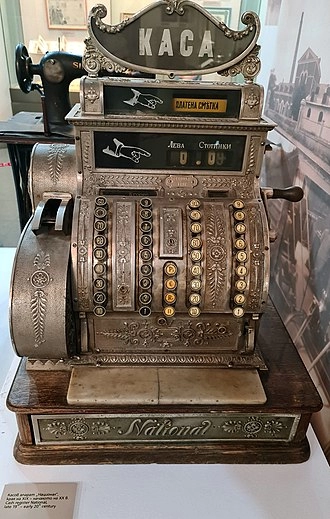
El primeras cajas registradoras, inventadas por James Ritty en 1879, eran dispositivos puramente mecánicos diseñados para cumplir dos propósitos principales: registrar las ventas con precisión y prevenir el robo por parte de empleados. Estos modelos tempranos presentaban una serie de teclas, cada una representando diferentes cantidades de ventas. Cuando el cajero presionaba una tecla, la caja registradora:
- Abría un cajón de dinero
- Imprimir un recibo o registrar la transacción internamente
- Mostrar el importe de la transacción en un dial, visible tanto para el cajero como para el cliente
Diseño mecánico y funcionalidad
El diseño era simple pero efectivo. La máquina utilizaba un sistema de engranajes y palancas para contar las cifras de ventas, manteniendo un total acumulado de las transacciones del día. Esto no solo ayudaba con la contabilidad, sino que también añadía transparencia en el proceso de ventas, una característica innovadora para los minoristas en su época.
Las características clave de estos primeros modelos incluían:
- Entrada manual de teclas para diferentes puntos de precio
- Dial visibles que mostraban el monto de la transacción actual
- A campana o timbre que sonaba cuando se abría la caja registradora, señalando una venta
- A caja registradora con cerradura para asegurar el dinero hasta que fuera contado
Reacciones empresariales a la innovación
Al principio, algunos propietarios de negocios eran escépticos. La caja registradora mecánica era una tecnología nueva, y adaptarse a ella llevó tiempo. Pero los minoristas pronto reconocieron el valor de la caja registradora:
- Ayudó a reducir el robo por parte de los empleados al hacer que el manejo del efectivo fuera más transparente.
- Simplificó la contabilidad al proporcionar registros claros e impresos.
- Aumentó la confianza de los clientes ya que los compradores podían ver claramente el total de la transacción.
Debido a estos beneficios, la adopción de cajas registradoras creció rápidamente en las tiendas de toda España, especialmente en centros urbanos bulliciosos donde el volumen de ventas era alto. El resultado final fue una forma más confiable y eficiente de manejar efectivo, allanando el camino para la evolución de la tecnología minorista y los sistemas modernos de punto de venta.
Evolución de la caja registradora a través de la historia
Desde su invención en 1879, el caja registradora ha experimentado cambios significativos que transformaron el comercio minorista y las operaciones comerciales en toda España y más allá.
Hitos importantes después de 1879
- Cajas registradoras eléctricas: A principios del siglo XX, se introdujeron cajas registradoras eléctricas, acelerando las transacciones y reduciendo fallos mecánicos.
- Máquinas de sumar: Estos dispositivos comenzaron a integrarse con las cajas registradoras, permitiendo cálculos más rápidos y totales de ventas más precisos.
- Tecnología digital: A finales del siglo XX, las cajas digitales comenzaron a reemplazar las partes mecánicas, ofreciendo mayor fiabilidad y una programación más sencilla.
- Introducción de sistemas POS: Los sistemas modernos de punto de venta (POS) evolucionaron de cajas básicas a herramientas completas para negocios, gestionando ventas, inventario y datos de clientes en un solo sistema.
Impacto de la tecnología en las operaciones minoristas
Los avances en la tecnología de cajas registradoras han impactado directamente en la forma en que operan los negocios:
- Transacciones más rápidas: Pasar de sistemas mecánicos a electrónicos acelera el proceso de pago, mejorando la experiencia del cliente.
- Registro preciso: Los sistemas digitales minimizan errores en los informes de ventas y facilitan el cumplimiento fiscal.
- Gestión de Inventario: Los sistemas POS modernos vinculan las ventas con los niveles de stock, reduciendo excesos y escasez.
- Información del Cliente: Los datos recopilados ayudan a las empresas a entender los patrones de compra, permitiendo marketing dirigido.
Transición de Sistemas POS Mecánicos a Modernos
El cambio de cajas registradoras mecánicas básicas a soluciones POS complejas muestra cómo la tecnología minorista se ha adaptado a las necesidades comerciales cambiantes:
- Cajas Registradoras Mecánicas: Los modelos originales registraban las ventas mecánicamente y prevenían robos, pero tenían funciones limitadas.
- Cajas Registradoras Electrónicas: Añadieron velocidad y facilidad de uso, pero seguían siendo en su mayoría impulsadas por hardware.
- POS Modernos: Software en la nube, interfaces táctiles y opciones de pago móvil han transformado las cajas en centros de negocio.
Esta evolución refleja el impulso continuo por la eficiencia y precisión en el comercio minorista, haciendo que la caja registradora sea mucho más que un simple cajón para dinero. Ahora es una herramienta vital para el éxito diario del negocio.
Los Sistemas de Caja y POS Modernos
Las cajas registradoras están muy lejos de los modelos mecánicos originales inventados en 1879. Con el auge de la tecnología digital, las cajas registradoras modernas se han convertido en potentes de punto de venta (POS) que van mucho más allá de simplemente gestionar pagos.
Cómo Mejoran las Cajas Registradoras Modernas en comparación con las Originales
- Software Integrado: A diferencia de las cajas registradoras tempranas, los sistemas actuales están completamente conectados a software que gestiona inventario, datos de ventas e información del cliente en un solo lugar. Esto significa menos errores y mejores conocimientos comerciales.
- Gestión de Inventario en Tiempo Real: Las actualizaciones automáticas ayudan a mantener niveles de stock precisos sin contar manualmente los productos, ahorrando tiempo y reduciendo pérdidas.
- Gestión de Clientes: Los sistemas POS modernos rastrean el historial de compras y preferencias, permitiendo a las empresas construir mejores relaciones y ofrecer promociones dirigidas.
- Transacciones más rápidas: Las interfaces táctiles y los escáneres de código de barras aceleran el proceso de pago, mejorando la experiencia del cliente y reduciendo los tiempos de espera.
Por qué SDLPOS destaca como proveedor de hardware minorista
Para las empresas en España, asociarse con un proveedor que comprenda las necesidades del mercado local es clave. SDLPOS ofrece hardware innovador y de vanguardia para cajas registradoras que combina fiabilidad con la tecnología más avanzada. Sus productos están diseñados para:
- Manejar altos volúmenes de transacciones,
- Integrarse perfectamente con varias plataformas de software,
- Soportar múltiples métodos de pago, incluyendo pagos sin contacto y móviles,
- Proporcionar hardware duradero adecuado para entornos minoristas concurridos.
Elegir SDLPOS significa que obtienes cajas registradoras modernas que no solo procesan ventas—sino que también ayudan a gestionar su negocio de manera más inteligente. Ya sea una tienda pequeña o un minorista en crecimiento, sus soluciones aportan eficiencia y precisión a sus operaciones diarias.
En resumen, las cajas registradoras actuales ya no son solo cajas de dinero. Son sistemas inteligentes que impulsan la columna vertebral de las operaciones minoristas, y SDLPOS suministra hardware que le mantiene competitivo en un mercado en rápida evolución.
Por qué la historia de la caja registradora importa para usted
Entendiendo el historia de las cajas registradoras no solo se trata de saber cuándo o quién las inventó. Nos ayuda a apreciar cuánto tecnología minorista ha avanzado y cómo estos avances continúan moldeando la forma en que las empresas operan hoy en día. Desde la invención mecánica de James Ritty en 1879 hasta las modernas sistemas POS, cada paso refleja soluciones a desafíos empresariales reales como la prevención de robos y el seguimiento preciso de ventas.
Cómo las innovaciones agilizan las operaciones comerciales
- Precisión en las ventas significa menos errores y una mayor confianza del cliente.
- Gestión de inventario es más fácil con software integrado en los registros modernos.
- Cajas más rápidas mejoran la satisfacción del cliente, especialmente en tiendas concurridas.
- Información de datos ayuda a los dueños de negocios a tomar decisiones informadas.
Estos cambios muestran por qué la evolución de los primeros modelos mecánicos a los digitales de hoy sistemas de punto de venta importa. No se trata solo de tecnología por la tecnología, sino de hacer que los negocios diarios sean más fluidos y eficientes.
El valor de asociarse con el proveedor de hardware minorista adecuado
Elegir un proveedor de hardware con conocimientos como el hardware y las soluciones de SDLPOS puede marcar una gran diferencia. Proporcionan acceso a lo último en características de la caja registradora adaptadas para empresas españolas, que incluyen:
- Hardware confiable y fácil de usar, diseñado para las necesidades de las empresas locales
- Capacidades de integración con el software actual de gestión de inventario y clientes
- Soporte continuo para que su tecnología minorista funcione sin problemas
Al asociarse con expertos en suministros de hardware minorista, se asegura de que su negocio se mantenga al día con las últimas innovaciones que le ayudan a competir y crecer en el mercado actual.
En resumen, conocer la historia de la caja registradora muestra por qué los avances modernos son importantes y por qué trabajar con proveedores de confianza como SDLPOS puede ayudar a que su negocio tenga éxito.