






¿Cuánto costó la primera caja registradora? Historia y evolución del precio

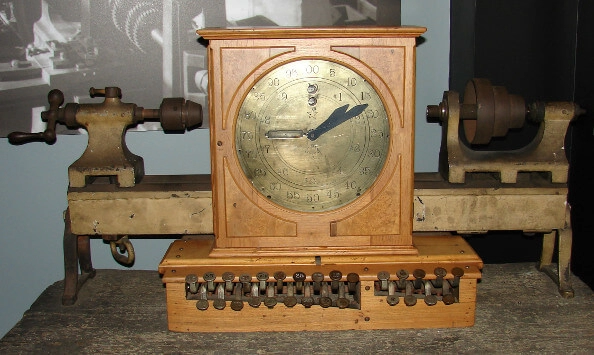
¿Cuánto costó la primera caja registradora? Descubriendo una revolución minorista
¿Alguna vez te has preguntado acerca de la historia de las cajas registradoras y qué primera caja registradora ¿cuánto costó? Este invento icónico transformó el comercio minorista para siempre, y su precio cuenta una historia fascinante de innovación y evolución empresarial. Como proveedor líder de soluciones modernas sistemas de punto de venta, SDLPOS está aquí para llevarte en un viaje a través de la costo de la primera caja registradora, su impacto y cómo las soluciones avanzadas de hoy en día continúan esa legado. ¿Listo para sumergirte en el pasado y descubrir por qué esto importa para tu negocio hoy? ¡Vamos a empezar!
La invención de la primera caja registradora y su impacto en los negocios
Cuando miramos hacia atrás en el historia de las cajas registradoras, la historia comienza con James Ritty, quien inventó la primera caja registradora en 1879. Ritty era dueño de un salón en Dayton, Ohio, y su objetivo era detener el robo por parte de los empleados y llevar un mejor control de las ventas. Esta innovación temprana marcó un gran avance en el comercio minorista y las operaciones comerciales.
¿Quién inventó la primera caja registradora y cuándo?
La invención de James Ritty fue originalmente llamada la “Cajero incorruptible.” Su máquina registraba mecánicamente las transacciones de ventas, proporcionando un registro claro y a prueba de manipulaciones del dinero recibido. Esto fue revolucionario en una época en la que todas las ventas se gestionaban con registros en papel o solo con la memoria.
Diseño y funcionalidad de la máquina original
La primera caja registradora fue un dispositivo completamente mecánico construido para:
- Registrar ventas presionando botones que imprimían el monto de la venta en un rollo de papel
- Crear un registro con marca de tiempo para prevenir el robo por parte de empleados
- Emitir un sonido de campana para alertar a los propietarios cuando se registraba una transacción
Era simple pero efectivo, usando engranajes de relojería y palancas para realizar todas las funciones. Esto contrastaba marcadamente con los sistemas electrónicos y POS avanzados de hoy en día, pero sentó las bases para la gestión moderna de transacciones.
Propósito e impacto en las operaciones comerciales en ese momento
El propósito principal de la caja registradora original era aumentar la responsabilidad empresarial y la precisión en el seguimiento de ventas. Antes de su invención, muchos minoristas luchaban con pérdidas de ingresos debido a la deshonestidad de los empleados o errores humanos. La caja registradora se convirtió en una herramienta confiable que:
- Aumentó la confianza de los propietarios en la gestión diaria del efectivo
- Redujo la merma y el robo
- Ayudó a estandarizar el registro de ventas
Como resultado, las empresas pudieron centrarse en el crecimiento sabiendo que sus finanzas estaban más seguras y las transacciones debidamente documentadas. Esta innovación fue un hito crucial en la tecnología minorista, señalando el comienzo de una nueva era para los comerciantes y sus operaciones.
Costo de la primera caja registradora y su precio histórico
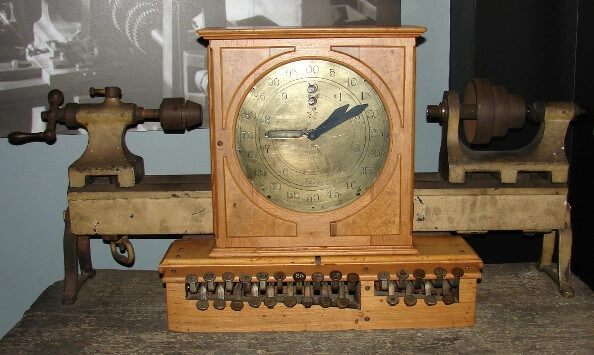
El primera caja registradora, inventada por James Ritty en 1879, tenía un precio que reflejaba su carácter innovador y el contexto económico de la época. En aquel entonces, la máquina original costaba alrededor de $50 a $100. Esto puede parecer modesto ahora, pero a finales del siglo XIX, era una inversión significativa para la mayoría de los pequeños empresarios.
Factores que influyen en el costo de la primera caja registradora
Varios factores clave influyeron en el precio de estas primeras cajas registradoras:
- Materiales y artesanía: Las primeras máquinas estaban mayormente hechas de latón y madera, requiriendo una artesanía precisa. Los materiales de calidad elevaban el costo en comparación con herramientas mecánicas más simples de la época.
- Tecnología Innovadora: Al ser un concepto completamente nuevo, la tecnología era limitada y costosa de producir, especialmente con piezas manuales que necesitaban un ensamblaje cuidadoso.
- Preparación del Mercado: Como producto novedoso, carecía de eficiencias en la producción en masa y estaba dirigido principalmente a negocios que podían permitirse la innovación—esto también mantenía los precios altos.
Costo Equivalente en Dinero Actual
Ajustando por inflación, el precio de $50 a $100 en aquel entonces es aproximadamente $1,400 a $2,800 en dólares actuales. Este costo ajustado por inflación nos ayuda a entender por qué muchos negocios dudaron antes de adoptar estas máquinas, a pesar de los claros beneficios que ofrecían.
Al revisar la historia de las cajas registradoras y su costo, vemos que la inversión inicial fue elevada, pero sentó las bases para innovaciones posteriores que hicieron las cajas registradoras más asequibles y accesibles para una amplia gama de negocios.
Por qué Importaba el Precio de la Primera Caja Registradora
Condiciones del Mercado y Entorno Empresarial
Cuando se introdujo la primera caja registradora a finales del siglo XIX, las pequeñas empresas y minoristas eran cautelosos al invertir en tecnología nueva. El entorno empresarial estaba fuertemente influenciado por capital limitado y un enfoque en minimizar costos, especialmente para tiendas locales y proveedores de servicios. Muchas tiendas operaban con márgenes ajustados, por lo que incluso una innovación útil como la caja registradora tenía que demostrar su valor desde un punto de vista financiero.
Impacto del Precio en la Adopción entre los Propietarios de Negocios
El el costo inicial de la caja registradora era relativamente alto, lo que hizo que muchos propietarios dudaran antes de realizar la compra. Este punto de precio era lo suficientemente importante como para que no fuera una compra automática. Los dueños de tiendas tenían que sopesar el costo inicial frente a la promesa de reducir el robo por parte de empleados, mejorar la precisión en las transacciones y llevar mejores registros.
Por esto, la adopción fue lenta pero constante. Aquellos que vieron la caja registradora como una herramienta para proteger los ingresos y agilizar las operaciones estaban más dispuestos a invertir. Para muchos, era un riesgo calculado para mejorar la eficiencia del negocio en un mercado competitivo.
Primeros usuarios e industrias que invirtieron a pesar del coste
Ciertas industrias fueron más rápidas en adoptar la caja registradora a pesar de su precio. Hoteles, salones y tiendas minoristas concurridas encontraron que la máquina era especialmente valiosa para rastrear ventas y prevenir fraudes de empleados. Estos sectores se beneficiaron más debido a su alto volumen de clientes y la complejidad en la gestión del efectivo.
- Hoteles utilizaron la caja registradora para mantener un control preciso de los cargos a los huéspedes
- Salones y bares dependían de ella para gestionar múltiples transacciones pequeñas diarias
- Tiendas minoristas con una variedad de productos, ayudaba a mantener mejores registros de inventario y ventas
Estos primeros adoptantes reconocieron las ahorros a largo plazo y los beneficios de seguridad, haciendo que el coste inicial fuera una inversión que valía la pena.
Para las empresas que hoy evalúan el coste y los beneficios de actualizar sus sistemas POS, entender esta historia puede dar contexto sobre por qué elegir la solución de caja registradora adecuada, como las disponibles a través de SDLPOS, es vital. Explora opciones y características en Los sistemas de caja registradora SDLPOS para encontrar la mejor opción para tus necesidades minoristas.
Evolución de los precios de las cajas registradoras a lo largo del tiempo
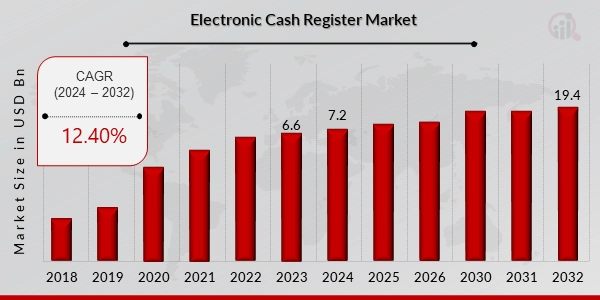
El el precio de las cajas registradoras ha cambiado significativamente desde los días de las máquinas mecánicas originales. Entender estas tendencias de precios nos ayuda a ver cómo las necesidades empresariales y la tecnología moldearon el coste y las características de las cajas registradoras a lo largo del tiempo.
Tendencias de precios desde máquinas mecánicas hasta electrónicas
- Las primeras cajas registradoras mecánicas eran relativamente caras para su época, reflejando el coste de materiales duraderos y trabajos metálicos complejos. Los precios generalmente comenzaban en unos pocos cientos de euros, lo cual era una gran inversión para las pequeñas empresas en aquel entonces.
- Con la introducción de las cajas registradoras electrónicas a mediados del siglo XX, los precios inicialmente se mantuvieron altos debido a la nueva tecnología involucrada. Sin embargo, la producción en masa y la electrónica avanzada comenzaron a reducir los costos.
- Hoy en día, las cajas registradoras modernas y los sistemas POS varían ampliamente en precio, desde modelos básicos económicos por debajo de $200 hasta configuraciones avanzadas de POS que cuestan miles, dependiendo de las funciones y el software incluidos.
Avances tecnológicos que impactan en el costo y las funciones
- La transición de dispositivos puramente mecánicos a cajas registradoras electrónicas aportó funciones como pantallas digitales, precios programables y recibos, añadiendo valor pero también un costo inicial.
- Los avances en la integración de software y la conectividad en los sistemas POS permiten el seguimiento del inventario en tiempo real, análisis de ventas y procesamiento de pagos móviles, lo que justifica precios más altos para usuarios con conocimientos tecnológicos.
- A pesar de los costos iniciales más altos para sistemas avanzados, los beneficios a largo plazo—como la eficiencia y la mejora en la experiencia del cliente—a menudo superan los gastos iniciales.
Diferencias entre sistemas mecánicos electrónicos y sistemas POS
| Tipo | Rango de precios | Características | Usuarios típicos |
|---|---|---|---|
| Mecánico | Costo inicial más alto (histórico) | Registro básico de transacciones | Minoristas tempranos, pequeñas tiendas |
| Electrónico | Gama media ($200–$1000+) | Pantallas digitales, precios programados | Pequeñas y medianas empresas |
| Sistemas POS | Amplio rango ($200–$5000+) | Integración de software, inventario, análisis | Minoristas más grandes, cadenas, cafeterías |
- Registros mecánicos fueron construidos para durar con piezas de metal pero carecían de flexibilidad.
- Modelos electrónicos introdujeron comodidad y rapidez pero a veces requerían conocimientos técnicos.
- Los sistemas POS modernos enfocarse en adaptabilidad, gestión de datos y ventas multicanal, en línea con sus precios más altos, aunque flexibles.
Al rastrear estos cambios, es evidente cómo los precios de las cajas registradoras reflejan el progreso tecnológico y las necesidades comerciales en evolución. Para las empresas, invertir sabiamente en el sistema adecuado puede equilibrar el costo con funciones valiosas que ayudan a mantener las operaciones fluidas y a los clientes satisfechos.
Cajas registradoras modernas y sistemas de punto de venta por SDLPOS
Cuando se trata de actualizar su negocio con tecnología moderna de caja registradora, SDLPOS ofrece una amplia gama de sistemas de punto de venta diseñados para adaptarse a diferentes necesidades y presupuestos. En comparación con las primeras cajas registradoras, las de hoy en día hardware POS son mucho más asequibles, versátiles y están llenas de funciones que mejoran las operaciones comerciales y la experiencia del cliente.
Cómo comparan los hardware POS modernos en precio y funciones
Las cajas registradoras modernas y los sistemas POS de SDLPOS ofrecen:
- Procesamiento de pagos integrado, incluyendo opciones de pago sin contacto y móvil
- Gestión de inventario integradas en el software, reduciendo errores de seguimiento manual
- Reportes de ventas en tiempo real accesibles en dispositivos de escritorio o móviles
- Interfaces táctiles para una operación más rápida e intuitiva
- Almacenamiento de datos en la nube para seguridad y acceso fácil desde cualquier lugar
En cuanto al coste, las unidades modernas tienen precios competitivos, con opciones para pequeñas empresas que comienzan desde unos pocos cientos de euros hasta sistemas más avanzados para minoristas de mayor tamaño. Esto representa un cambio enorme respecto a la elevada inversión inicial que requerían las primeras cajas registradoras mecánicas.
Valor de invertir en tecnología de caja registradora actualizada
Actualizar a un sistema POS contemporáneo de SDLPOS ofrece beneficios claros que justifican el precio:
- Velocidad y precisión en procesamiento de ventas, minimizando el tiempo de espera del cliente
- Mejores conocimientos del negocio gracias a las herramientas de análisis integradas
- Reducción de pérdidas a través de mejoras en la gestión de efectivo y funciones de prevención de fraude
- Mejora de la experiencia del cliente con un proceso de pago más rápido y múltiples opciones de pago
En el mercado competitivo actual, estas ventajas a menudo se traducen directamente en mayores ventas y satisfacción del cliente.
Por qué SDLPOS ofrece precios competitivos y soluciones de calidad
SDLPOS se compromete a hacer que la tecnología avanzada de caja registradora y POS sea accesible para las empresas en España ofreciendo:
- Precios asequibles sin sacrificar calidad — sistemas diseñados para la longevidad y fiabilidad
- Paquetes flexibles para todos los tamaños de negocio — desde pequeñas tiendas hasta minoristas a gran escala
- Soporte completo al cliente para ayudar con la configuración y el uso continuo
- Actualizaciones regulares y mejoras de funciones manteniendo el ritmo con los cambios del mercado minorista
Para empresas que buscan invertir en moderno cajas registradoras y sistemas POS, SDLPOS ofrece opciones que equilibran costo y capacidad, ayudándote a avanzar más allá de los antiguos modelos mecánicos hacia un futuro más inteligente.
Explora las ofertas de SDLPOS y descubre cómo las cajas registradoras modernas pueden mejorar las operaciones de tu negocio en Caja registradora SDLPOS para negocios y Soluciones POS y caja registradora.