






L'évolution de la technologie des caisses enregistreuses et des systèmes POS modernes

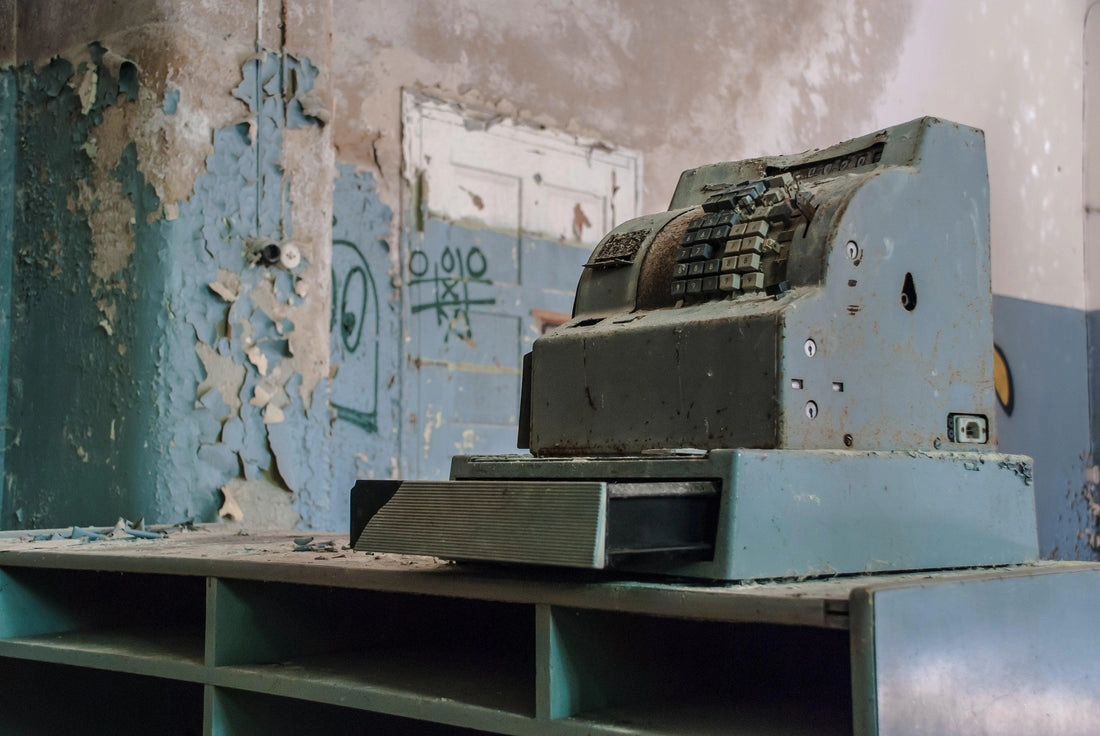
Êtes-vous curieux de l'évolution de la technologie des caisses enregistreuses et comment les systèmes modernes d’aujourd’hui sont nés ? Que vous soyez propriétaire d’une entreprise de vente au détail, passionné de technologie ou quelqu’un cherchant à améliorer votre configuration de point de vente, comprendre ce parcours est essentiel. Des toutes premières caisses enregistreuses mécaniques aux systèmes POS basés sur le cloud et riches en fonctionnalités que nous utilisons aujourd’hui, chaque étape de cette évolution a transformé la façon dont les entreprises gèrent les transactions et servent leurs clients.
Dans cet article, vous aurez un aperçu clair et simple de la façon dont les caisses enregistreuses ont évolué au fil du temps, en mettant en évidence les principales innovations qui ont amélioré l’efficacité, la sécurité et la convivialité. De plus, vous verrez comment des entreprises comme SDLPOS mènent la charge avec des solutions matérielles de pointe conçues pour relever les défis du commerce de détail d’aujourd’hui.
Plongeons dans l’histoire fascinante et l’avenir de la technologie des caisses enregistreuses—pour que vous puissiez prendre des décisions plus intelligentes et garder votre entreprise en avance sur la courbe.
Les origines des caisses enregistreuses : débuts mécaniques
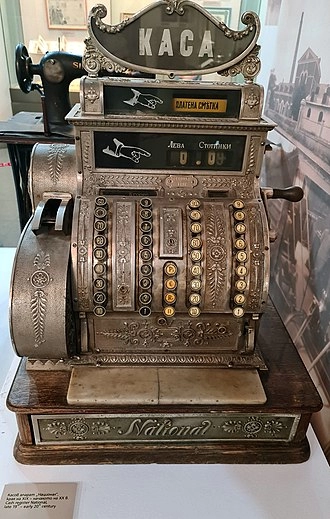
Comprendre le évolution de la technologie des caisses enregistreuses commence avec ses origines à la fin du XIXe siècle. La première caisse enregistreuse a été inventée en 1879 par James Ritty, propriétaire d’un saloon qui voulait résoudre un problème courant chez les détaillants et les entreprises de services—le vol par les employés et la gestion inexacte de la caisse. Avant la caisse enregistreuse, il y avait peu de responsabilité pour les transactions en espèces, ce qui entraînait souvent des pertes de revenus.
Comment les caisses enregistreuses mécaniques ont amélioré la responsabilité
L’invention de Ritty était simple mais révolutionnaire. La caisse enregistreuse mécanique a introduit un système fiable pour prévenir le vol par les employés et améliorer la responsabilité financière. Lorsqu’une vente était enregistrée, la machine verrouillait le tiroir-caisse et produisait un son de cloche audible, signalant qu’une transaction avait été effectuée. Ce processus dissuadait le personnel malhonnête de mettre de l’argent dans sa poche sans enregistrer la vente.
Fonctionnalités de fonctionnement mécanique
Les premières caisses enregistreuses fonctionnaient entièrement de manière mécanique. Elles utilisaient des leviers manuels poussés par le caissier pour entrer le montant de la transaction. Chaque pression sur une touche activait des engrenages internes reliés à un mécanisme d’impression qui générait des reçus imprimés. Ces enregistrements physiques permettaient aux propriétaires de magasins de vérifier les ventes et de suivre le revenu quotidien. La cloche sonore offrait une alerte claire aux employés et aux clients que la transaction était enregistrée.
Ce design combinait une ingéniosité mécanique simple avec des besoins commerciaux pratiques. Cela a non seulement renforcé la confiance dans les opérations quotidiennes, mais aussi posé les bases pour de futures innovations dans la technologie de la vente au détail.
Pour les détaillants intéressés par l'histoire plus approfondie des caisses enregistreuses et leurs avantages, découvrez comment la caisse enregistreuse a été inventée et pourquoi cela importe.
La transition des premiers modèles mécaniques a transformé l'efficacité du commerce de détail. Comprendre ces racines aide à apprécier les systèmes modernes qui continuent de s'appuyer sur la fondation posée par l'invention originale de la caisse par Ritty.
Transition vers les caisses enregistreuses électromécaniques au milieu du 20ème siècle
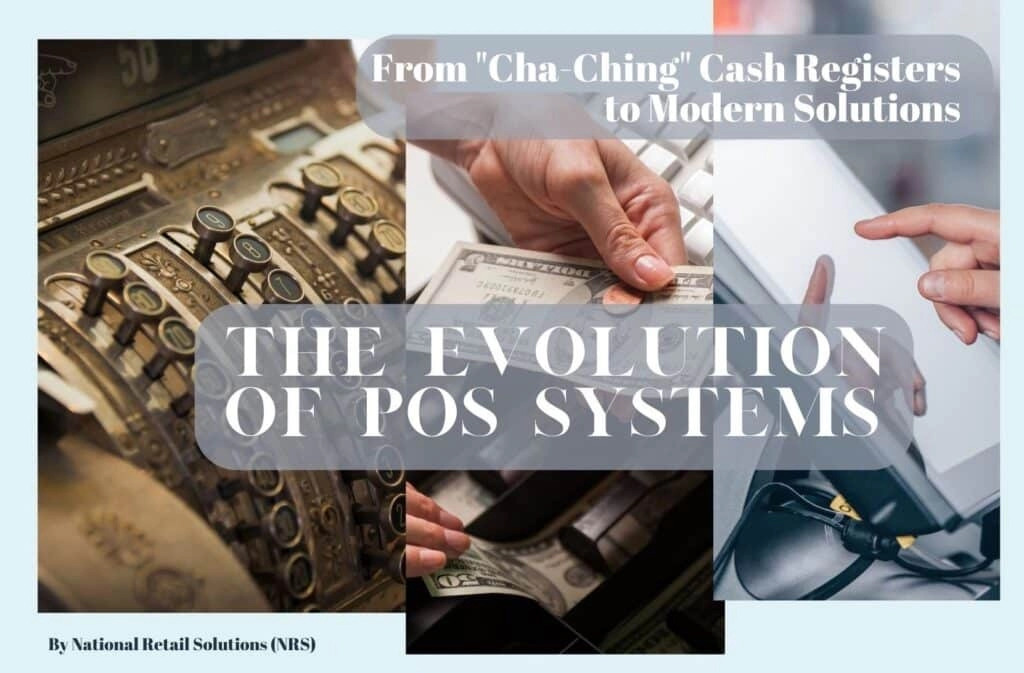
Au fur et à mesure de l'évolution de la technologie des caisses enregistreuses, le milieu du 20ème siècle a connu un changement significatif avec l' introduction des caisses électromécaniques. Ces appareils combinaient des pièces mécaniques traditionnelles avec des composants électriques, créant un système hybride conçu pour rendre les transactions plus rapides, plus précises et plus faciles à gérer.
Comment les caisses électromécaniques ont amélioré les opérations
L'ajout de moteurs électriques et d'interrupteurs a permis de réduire l'effort manuel nécessaire pour faire fonctionner le tiroir-caisse et les touches de la caisse. Cette innovation signifiait que les employés pouvaient enregistrer les ventes plus rapidement, accélérant le processus de paiement pendant les heures de forte affluence. De plus, les composants électriques soutenaient une meilleure précision en minimisant les erreurs humaines liées aux tirages de leviers manuels et aux calculs.
Popularité croissante et adoption sur le marché
Dans les années 1950 et 1960, les caisses enregistreuses électromécaniques sont devenues courantes parmi les détaillants opérant en France. Leur facilité d'utilisation et leur efficacité ont séduit les entreprises de toutes tailles, des épiceries locales aux grands magasins. La capacité à intégrer des cloches, des reçus imprimés et des tiroirs-caisse plus fiables a contribué à renforcer la responsabilité et à réduire le vol par les employés—un facteur critique dans leur adoption croissante.
Avantages clés qui ont fait des caisses électromécaniques une norme du marché
- Enregistrement des transactions plus rapide par rapport aux modèles purement mécaniques
- Amélioration de la précision grâce à des pressions sur les touches assistées par électrique et des calculs
- Opération simplifiée avec moins d'étapes manuelles requises par les employés
- Sécurité renforcée caractéristiques telles que l'ouverture contrôlée du tiroir-caisse et les alertes sonores
Le passage à la technologie électromécanique a préparé le terrain pour le développement ultérieur des caisses enregistreuses électroniques et, finalement, des systèmes de point de vente entièrement numériques. Cette époque a consolidé la caisse enregistreuse comme un outil essentiel du commerce de détail adapté aux exigences croissantes des entreprises françaises.
Émergence des caisses enregistreuses électroniques dans les années 1970 et 1980
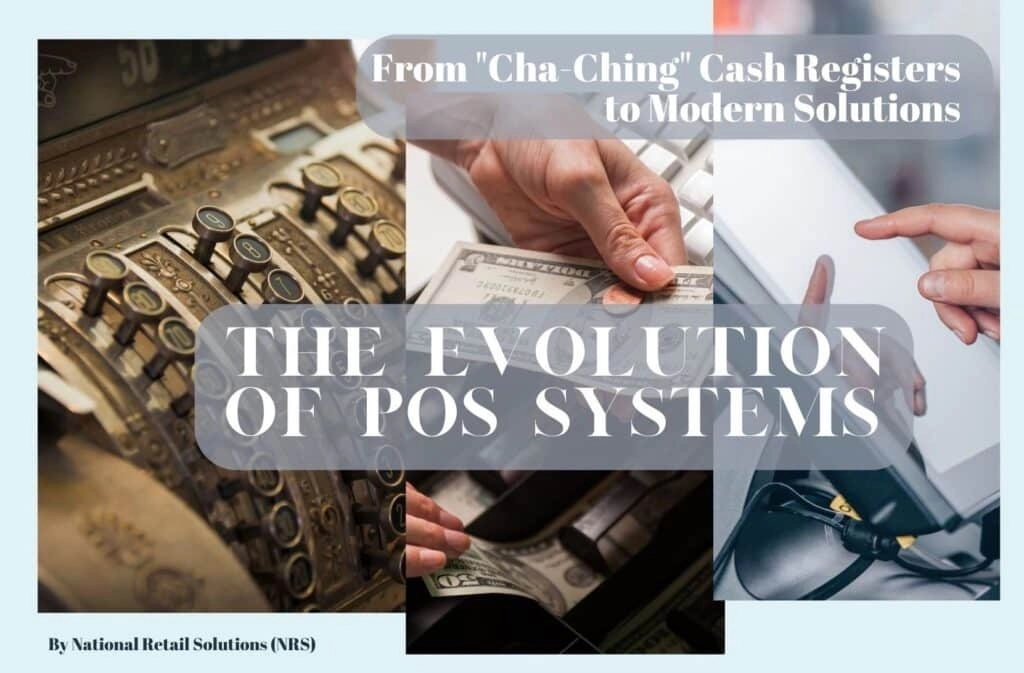
Les années 1970 et 1980 ont marqué une avancée majeure dans le évolution de la technologie des caisses enregistreuses avec l'arrivée de caisses enregistreuses électroniques (ECR). S'éloignant des conceptions purement mécaniques, les CER ont introduit des circuits électroniques et des affichages numériques, rendant les transactions plus précises et plus rapides. Ce changement a permis aux détaillants de gérer des tâches de vente plus complexes sans les retards et erreurs courants dans les machines antérieures.
Caractéristiques clés qui ont changé les opérations de vente au détail
Les caisses enregistreuses électroniques ont apporté plusieurs améliorations importantes :
- Fonctions programmables: Les détaillants pouvaient configurer les prix des articles, les taux de taxe et les remises directement dans le système, éliminant ainsi les calculs manuels.
- Rapports de vente de base: Les caisses enregistreuses électroniques (ECR) ont généré des rapports résumant les données de vente, aidant les propriétaires d'entreprise à suivre facilement la performance.
- Options de transaction améliorées: Elles supportaient plusieurs types de paiement et ajoutaient de la flexibilité dans le traitement des retours, échanges ou paiements partiels.
- Intégration avec les scanners de codes-barres: Cette innovation a accéléré le passage en caisse, réduisant les temps d'attente et les erreurs humaines.
- Imprimantes de reçus: L'impression électronique offrait des reçus plus clairs et plus détaillés, améliorant à la fois la tenue des registres et la satisfaction des clients.
Ces avancées ont fait de la caisse enregistreuse électronique non seulement un outil de gestion de l'argent mais aussi une partie essentielle de la gestion du commerce de détail. Les entreprises en France ont rapidement adopté les ECR en raison de leur capacité à rationaliser les opérations et à augmenter la précision, préparant le terrain pour les systèmes de point de vente plus complexes qui ont suivi.
Pour ceux qui s'intéressent à des insights détaillés sur l'évolution des systèmes modernes à partir de ces premières innovations, consultez POS et caisse enregistreuse.
L'essor des systèmes de point de vente POS et des ordinateurs dans les années 1990 et 2000
Dans les années 1990, la technologie des caisses enregistreuses a connu un saut majeur avec l'introduction de systèmes de point de vente (POS). Contrairement aux caisses traditionnelles, celles-ci étaient des solutions informatiques entièrement intégrées conçues pour gérer bien plus que la simple encaissement des ventes. Ce changement a marqué un tournant dans la l'évolution de la technologie de paiement en commerce de détail et a transformé la gestion quotidienne des entreprises.
Ce que les systèmes POS apportent
Les systèmes POS combinaient matériel et logiciel pour offrir un package complet dont les magasins ne pouvaient plus se passer. Ils fournissaient :
- Données de vente détaillées pour suivre précisément ce qui se vendait et quand.
- Gestion des stocks qui mettait à jour les niveaux de stock en temps réel.
- Prise en charge de connectivité multi-magasin, permettant aux entreprises avec plusieurs emplacements de gérer les ventes et le stock de manière centrale.
- Technologie pilotée par logiciel permettant une personnalisation selon les besoins spécifiques de l'entreprise.
- Interfaces à écran tactile rendant les systèmes intuitifs et plus rapides à utiliser par rapport aux anciens registres mécaniques ou électroniques primitifs.
Ces fonctionnalités ont aidé les détaillants à rationaliser leurs opérations, réduire les erreurs et améliorer l'expérience de paiement des clients.
Transformation des opérations commerciales de détail
L'introduction des systèmes de point de vente (POS) avait un impact mondial sur le commerce de détail. Les entreprises pouvaient désormais s'appuyer sur l'analyse de données pour prendre des décisions plus intelligentes—que ce soit pour réapprovisionner les best-sellers, gérer les promotions ou surveiller la performance des employés. Les systèmes permettaient également une intégration transparente avec d'autres technologies comme les scanners de codes-barres et les imprimantes de reçus, rendant les processus de paiement plus fluides et efficaces.
Pour les entreprises françaises, en particulier celles traitant un volume élevé de transactions ou plusieurs magasins, les systèmes POS sont devenus indispensables. Ils offraient une solution évolutive et fiable pour maintenir les opérations sans les tracas du suivi manuel ou du matériel obsolète.
Principaux avantages pour les entreprises aujourd'hui
- Précision et rapidité améliorées dans les transactions.
- Meilleur contrôle sur l'inventaire et les données de vente.
- Gestion et responsabilisation des employés plus faciles.
- Intégration avec les tendances technologiques émergentes dans le commerce de détail, posant les bases pour de futures améliorations.
L'essor des systèmes de point de vente (POS) informatisés a préparé le terrain pour les solutions POS basées sur le cloud et mobiles d'aujourd'hui, stimulant l'innovation continue dans la technologie de vente au détail et aidant les entreprises à suivre l'évolution rapide des attentes des clients.
Technologie moderne de caisse enregistreuse, POS basé sur le cloud et mobile
Dans les années 2010 et au-delà, l'informatique en nuage et les appareils mobiles ont révolutionné la gestion des ventes et des interactions clients par les détaillants. Contrairement aux caisses traditionnelles, les systèmes d'aujourd'hui sont alimentés par le cloud, permettant aux entreprises d'accéder analyses en temps réel et de gérer leurs opérations à distance depuis n'importe où. Ce changement a rendu la technologie de vente au détail plus flexible, réactive et axée sur les données, ce qui est essentiel pour rester compétitif sur le marché français en évolution rapide.
Caractéristiques clés des systèmes POS basés sur le cloud et mobiles
- Analyses et rapports en temps réel: Suivez instantanément les ventes, l'inventaire et le comportement des clients, pour prendre des décisions plus intelligentes en temps réel.
- Gestion à distance: Gérez les mises à jour, les prix et les permissions du personnel depuis n'importe quel endroit en utilisant des smartphones, tablettes ou ordinateurs portables.
- Logiciel personnalisable: Adaptez votre système à vos besoins spécifiques, que vous gériez une petite boutique locale ou plusieurs magasins.
- Support de paiement mobile: Acceptez tous les modes de paiement modernes, y compris Apple Pay, Google Wallet et les cartes sans contact, directement à la caisse ou en déplacement.
Sécurité renforcée et conformité
La sécurité est une priorité pour les entreprises locales françaises, et la technologie moderne de caisse enregistreuse en témoigne. Les systèmes POS cloud sont équipés de protocoles de chiffrement robustes et respectent des la conformité PCI normes strictes, ce qui protège les données des cartes clients et renforce la confiance.
Innovations matérielles avec les systèmes SDLPOS
Le matériel a également évolué parallèlement aux avancées logicielles. SDLPOS propose du matériel de caisse durable et facile à utiliser, conçu pour l’environnement de vente au détail d’aujourd’hui, notamment :
- Terminals mobiles compacts parfaits pour les boutiques éphémères et les food trucks
- Caisses à écran tactile élégantes avec des vitesses de traitement rapides
- Imprimantes de reçus fiables intégrées aux systèmes basés sur le cloud
Ces solutions matérielles sont conçues pour compléter le logiciel cloud et mobile, offrant une expérience de paiement fluide et aidant les entreprises à suivre l’évolution des tendances du commerce de détail.
Les systèmes de point de vente (POS) basés sur le cloud et mobiles alimentés par des entreprises comme SDLPOS changent le paysage de la technologie de vente au détail. Ils offrent une flexibilité améliorée, des insights détaillés sur les données, une sécurité renforcée, et le matériel dont les entreprises françaises ont besoin pour prospérer dans le commerce moderne.
Tendances futures en technologie de caisse et innovations par SDLPOS
L’évolution de la technologie de caisse est loin d’être terminée. À mesure que les besoins du commerce évoluent et se développent, les technologies émergentes façonnent l’avenir de la gestion des transactions et de l’interaction avec la clientèle des entreprises.
Intégration de l’intelligence artificielle et de l’IoT
Intégration de l'IA devient un véritable changement de jeu pour les caisses et systèmes POS. Avec l’IA, les systèmes peuvent analyser les tendances de vente, prévoir les besoins en inventaire, et même proposer des promotions personnalisées en temps réel. Cela signifie une prise de décision plus intelligente et moins de conjectures pour les propriétaires d’entreprises.
En même temps, le Internet des objets (IoT) rend les caisses plus connectées que jamais. Les capteurs et appareils intelligents permettent une communication fluide entre les caisses, les systèmes d’inventaire, et même les applications clients. Cette connectivité améliore l’efficacité et contribue à créer des expériences de paiement plus fluides.
Paiements biométriques pour la sécurité et la rapidité
Les paiements biométriques gagnent du terrain comme une méthode sécurisée et rapide pour traiter les transactions. En utilisant les empreintes digitales, la reconnaissance faciale ou la reconnaissance de l’iris, les systèmes biométriques réduisent les risques de fraude et accélèrent les files d’attente en caisse. Pour les entreprises, cela signifie une la sécurité des paiements et la confiance des clients.
Analyse prédictive et insights sur le comportement client
Les caisses modernes deviennent plus que de simples outils de transaction. En utilisant l'analyse prédictive, les systèmes POS peuvent analyser les habitudes d’achat des clients, prévoir les tendances, et adapter les efforts marketing. Ce niveau d’insight aide les détaillants locaux en France à mieux comprendre leurs clients et à améliorer leurs stratégies de vente.
Comment SDLPOS mène l'innovation pour répondre aux demandes futures
SDLPOS est à la pointe de ces avancées, offrant des solutions matérielles conçues pour intégrer de manière transparente l'IA, l'IoT et les capacités biométriques. Leurs systèmes prennent en charge :
- la gestion basée sur le cloud pour un accès aux données en temps réel
- Personnalisation flexible adaptée à différentes tailles et modèles d'entreprise
- des protocoles de sécurité avancés incluant le chiffrement et la conformité PCI
- des voies de mise à niveau faciles qui suivent les nouvelles tendances technologiques
En se concentrant sur un matériel fiable et adaptable, SDLPOS garantit que les entreprises françaises restent compétitives à mesure que la technologie des caisses enregistreuses évolue.
L'avenir des caisses enregistreuses est intelligent, connecté et sécurisé. Avec ces innovations, les entreprises ne se contentent pas de suivre le rythme — elles fixent la tendance dans le domaine de la technologie de vente au détail.
Pourquoi la mise à niveau de votre technologie de caisse est importante pour votre entreprise
Upgrading your cash register technology is more than just a routine update — it’s a strategic move that can drive efficacité, précision et meilleures expériences client. Dans l’environnement de vente au détail rapide d’aujourd’hui, s’appuyer sur des systèmes obsolètes peut ralentir les transactions, augmenter les erreurs et rendre votre entreprise vulnérable au vol. Voici pourquoi investir dans des systèmes modernes de caisse et de point de vente (POS) est essentiel pour votre commerce de détail ou votre restaurant.
Augmenter l'efficacité et la précision
Les caisses enregistreuses modernes et les systèmes POS sont conçus pour accélérer le processus de paiement et réduire les erreurs humaines. Avec des calculs automatisés, une intégration du scanner de codes-barres et un traitement des paiements fluide, votre personnel peut clôturer les ventes plus rapidement sans manipuler manuellement les données. Cela améliore non seulement le flux pendant les heures de pointe, mais aide aussi à suivre chaque transaction avec précision, minimisant les écarts dans votre caisse quotidienne et vos rapports de ventes.
Améliorer l’expérience client
A processus de paiement rapide et fluide laisse une impression durable sur les clients. Les caisses modernes sont équipées de fonctionnalités telles que les écrans tactiles, plusieurs options de paiement incluant les paiements mobiles, et des reçus imprimés ou numériques détaillés. Cela signifie que vos clients évitent de longues attentes et peuvent payer avec leur méthode préférée. Lorsqu'une entreprise suit les tendances technologiques du commerce de détail, cela renforce la confiance et la fidélité.
Réduire les erreurs et le vol
Les caisses manuelles et les systèmes plus anciens présentent un risque accru d'erreurs et de vol par les employés. La nouvelle technologie de caisse améliore la responsabilité grâce à des journaux numériques, des identifiants de connexion spécifiques à l'utilisateur, et des pistes d'audit qui surveillent de près les transactions. Cette transparence dissuade la fraude, aide à identifier rapidement les problèmes, et protège finalement vos profits.
S'adapter aux nouveaux modes de paiement et aux tendances du commerce de détail
Les consommateurs d’aujourd’hui s’attendent à payer par carte de crédit, débit, portefeuilles mobiles, ou même cartes sans contact. Les caisses modernes équipées de logiciels POS avancés prennent facilement en charge ces divers modes de paiement, garantissant que vous ne perdez pas de ventes à cause d’options limitées. De plus, les systèmes basés sur le cloud permettent une gestion à distance et des mises à jour en temps réel, maintenant votre entreprise alignée avec l’évolution continue de la technologie de paiement en retail et les préférences des clients.
Mettre à niveau votre caisse ne concerne pas seulement le matériel — il s’agit de préparer votre entreprise pour des opérations fluides et des clients satisfaits. Pour les entreprises en France, en particulier les détaillants et restaurants de petite à moyenne taille, choisir le bon système adapté à vos besoins est crucial. Explorez des solutions matérielles sur mesure et les avantages des systèmes modernes sur solutions de caisses enregistreuses SDLPOS.
Choisir le bon matériel de caisse pour votre entreprise
Choisir le bon matériel de caisse enregistreuse est une étape importante. Cela peut faire ou défaire la fluidité de votre point de vente (POS) et la performance de votre entreprise. Lors de l’achat de matériel, gardez ces points clés en tête pour obtenir la meilleure adaptation à votre configuration.
Considérez la taille de votre entreprise et le volume de transactions
Votre taille de l'entreprise affecte directement le type de matériel dont vous avez besoin. Une petite boutique ou un café local avec un volume de transactions plus faible n’aura pas les mêmes besoins qu’un supermarché ou une chaîne très fréquentée.
- Petites entreprises pourraient opter pour des dispositifs POS compacts et mobiles.
- Entreprises de taille moyenne à grande ont besoin d’un matériel plus robuste capable de gérer de gros volumes de transactions sans ralentir.
- De plus, pensez aux heures de pointe. Votre système pourra-t-il faire face aux heures de rush ou aux pics saisonniers ?
Assurer la compatibilité avec les logiciels et systèmes
Votre matériel doit bien fonctionner avec votre logiciel actuel et toutes les applications tierces que vous utilisez pour l'inventaire, la comptabilité ou les paiements.
- Confirmez que la caisse enregistreuse supporte votre logiciel de point de vente et ses mises à jour.
- Recherchez du matériel qui s'intègre bien avec les processeurs de paiement, les scanners de codes-barres et les imprimantes de reçus.
- Rester compatible signifie moins de soucis et un fonctionnement quotidien plus fluide.
Priorisez la durabilité du matériel et la facilité d'utilisation
La durabilité est importante, surtout dans les points de vente occupés où l'équipement peut subir des chocs.
- Choisissez du matériel fabriqué à partir de matériaux robustes conçus pour une utilisation constante.
- Des interfaces conviviales accélèrent la formation du personnel et réduisent les erreurs.
- Un matériel fiable avec une solide Support client est une bouée de sauvetage lorsque les choses tournent mal.
Pourquoi les solutions matérielles SDLPOS fonctionnent pour vous
SDLPOS comprend les entreprises françaises et propose du matériel de caisse sur mesure, adapté aux besoins réels.
- Ils fournissent des solutions personnalisées adapté à la taille et au secteur de votre entreprise.
- Leur équipement garantit une compatibilité logicielle transparente, pour une intégration fluide.
- Durabilité, facilité d'utilisation et excellent support client sont la norme.
- SDLPOS vous prépare aux nouveaux types de paiements et aux tendances du commerce de détail, assurant que votre entreprise reste en avance.
En vous concentrant sur ces points—taille de l'entreprise, compatibilité logicielle, durabilité et partenaires de confiance comme SDLPOS—vous équipez votre entreprise du matériel de caisse approprié pour augmenter l'efficacité et mieux servir vos clients.